Did you know that your “Eco-Friendly” Box Might Be Lying to You
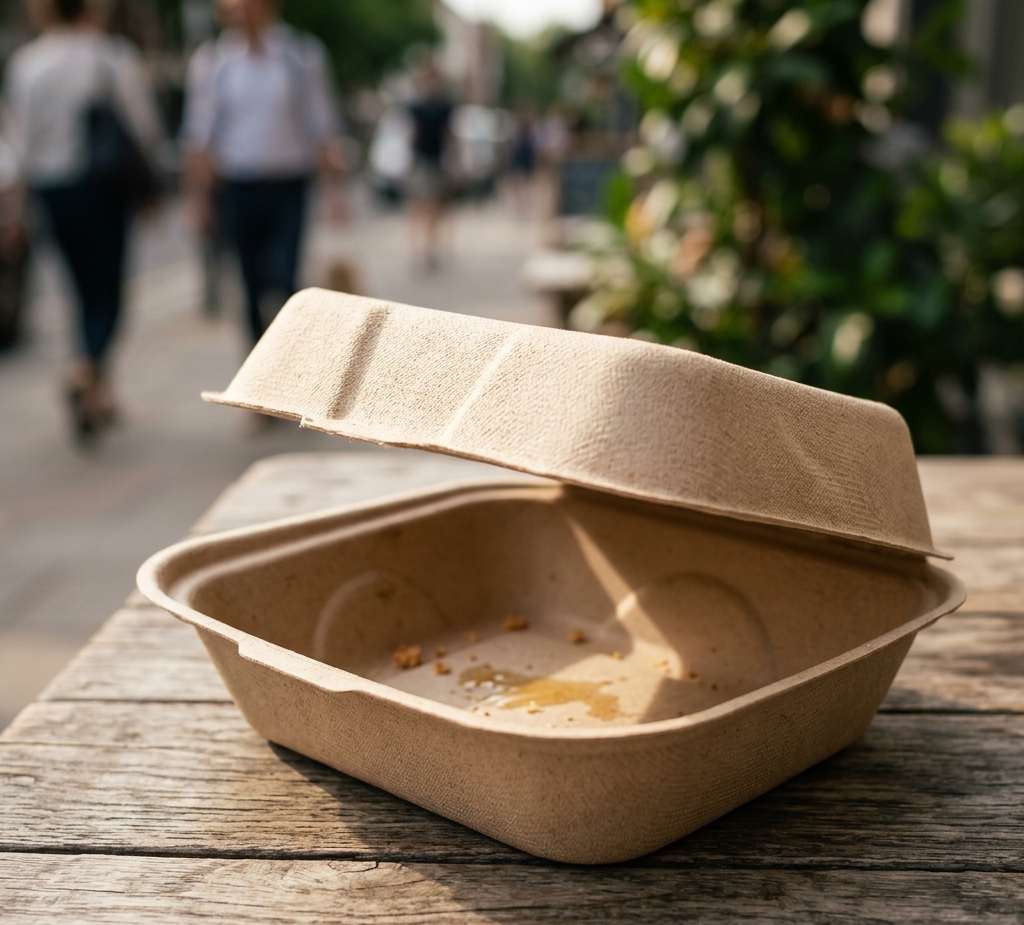
You order a salad and it arrives in a kraft brown container with a small green leaf printed on the lid. Compostable, it says. So, it implies sustainable choice, right?
But here’s the thing that same container might be coated in PFAS which is “forever chemicals” that don’t break down in the human body or in soil not now, not ever.
In 2026, the question isn’t whether a takeaway container is “eco-friendly.” The question is, eco-friendly by whose definition, at what stage of its life, and measured against what?
The Problem With “Compostable”
Compostable has become the green halo of food packaging. And it can genuinely be a better choice but with one enormous asterisk as it only works if the right infrastructure exists.
The three frontrunners in compostable takeaway packaging right now are
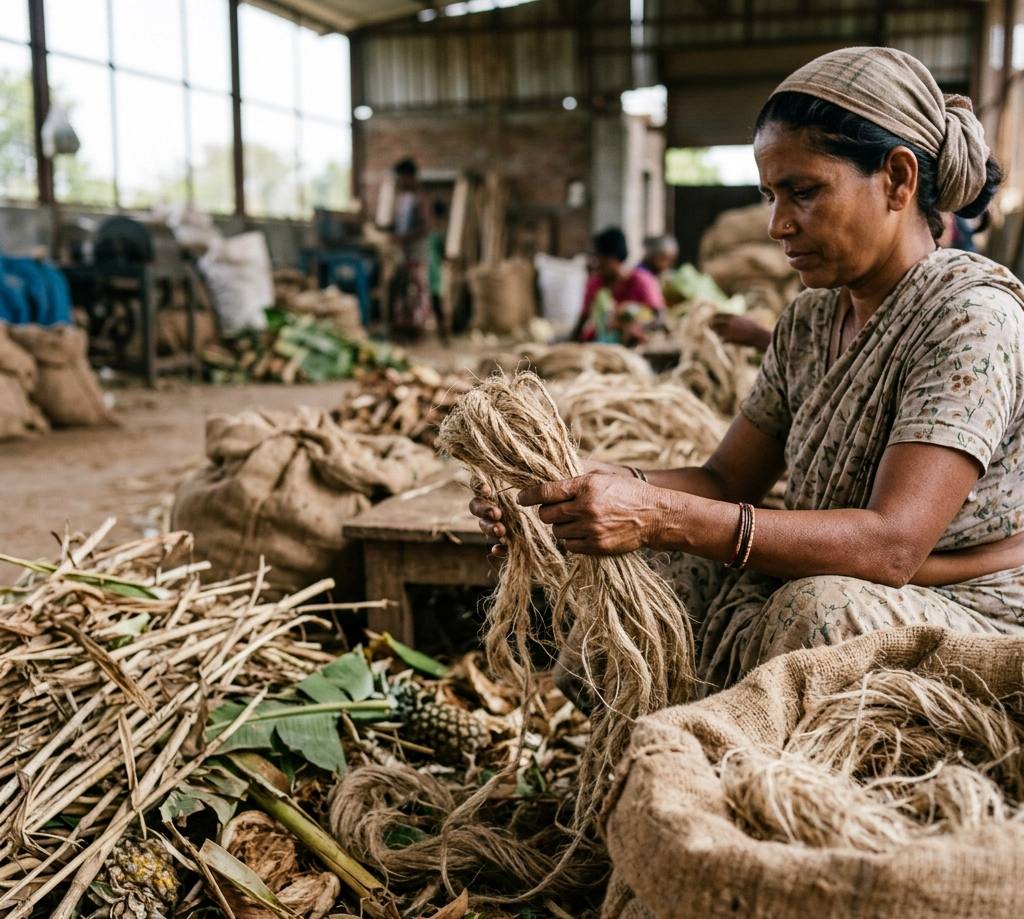
- Bagasse (compressed sugarcane pulp, a by-product of the sugar industry)
- Cornstarch/PLA-based containers
- Kraft paper lined with biodegradable barriers
Bagasse, in particular, decomposes naturally within 90 days, requires no synthetic liners, and handles heat and grease well making it a strong fit for curries, rice dishes, and hot meals.
But the catch here is that the most compostable packaging requires industrial composting conditions including specific temperatures and controlled environments to break down properly. Drop it in a home bin or a general landfill, and it behaves almost identically to conventional plastic.
The container was designed right but the system around it wasn’t.
What’s Coating Your Container
There is another less obvious issue that is currently prompting regulation in three different continents: PFAS, which stand for per- and polyfluoroalkyl substances. This group of chemicals has been used in the manufacturing of food packaging materials as grease and moisture-resistant coatings. PFAS are exceptionally durable and efficient. Their durability is so high that they were dubbed “forever chemicals.”
The EU’s new regulation on packaging and packaging waste (PPWR), which includes clauses that become effective as early as August 2026, puts a cap on PFAS content in food packaging products, ensuring their presence at levels below the threshold of measurement. Maine’s PFAS ban on specific food packaging entered into force in May 2026. As of January 2026, Illinois prohibited adding PFAS in food packaging. During 2025 alone, no fewer than 350 PFAS-related bills were introduced in 39 US states.
Lifecycle Assessment (LCA)
LCA is the only genuine approach to assess the true environmental impact of packaging. According to a study carried out by the University of Manchester on EU takeaway packaging, recycling 50% of packaging in current use would cut their carbon footprint by one-third, equivalent to taking 55,000 cars off the road each year.
But LCA results are highly sensitive to a few key variables:
- Where the material was made
- What energy source powered the factory
- How far the container travelled to reach you
- How it was disposed of at the end.
This is why a bagasse bowl manufactured locally using renewable energy is a fundamentally different product environmentally from an identical bagasse bowl shipped intercontinentally from a coal-powered facility. The shape and material are the same. The footprint is not.
What Actually Makes a Container Truly Sustainable
In 2026, an honest checklist looks like this:
- Material origin:
Is it made from renewable, agricultural by-products (sugarcane bagasse, cornstarch) or FSC-certified paper?
Is the feedstock a waste stream or does growing it compete with food crops?
- PFAS-free certification:
Not a logo.
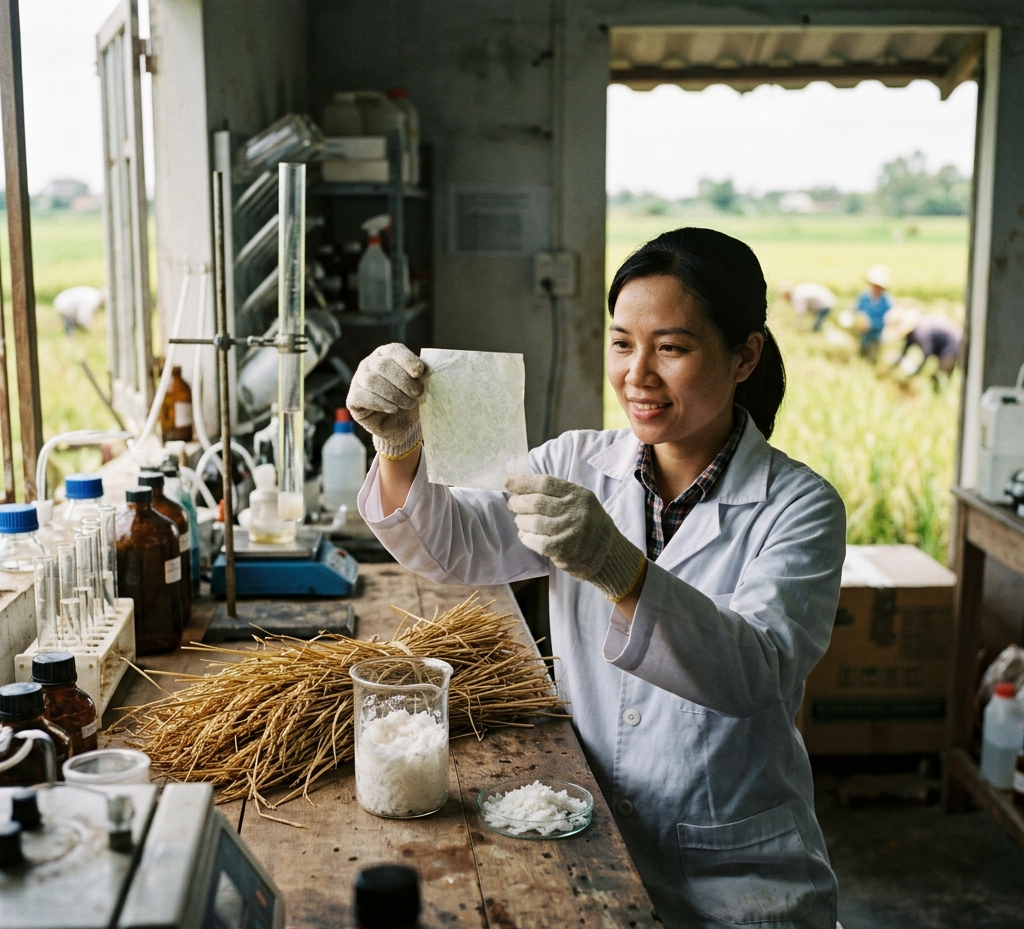
Documented third-party test results, aligned with EN 13432, ASTM D6400, or BPI standards.
- End-of-life fit:
Does the composting or recycling infrastructure actually exist where your customer is?
A container certified compostable in Germany may be destined for landfill in a city without organics diversion.
- Simplicity of materials:
Single-material containers like pure bagasse, pure kraft, pure cornstarch are far easier to sort and process than multi-layer hybrids with hidden plastic liners. The simpler, the more reliably it reaches its intended end-of-life.
- Honest labelling:
Clear disposal instructions on the packaging itself. Research shows 64% of consumers say clear eco-labelling builds trust in a brand. Unlabelled “compostable” containers frequently end up in the wrong bin.
No material innovation fully outperforms reuse.
The global reuse food service container market is forecast to rise from $420 million in 2026 to above $1 billion in 2036. Deposit return systems will be implemented in cities, on campuses, and at big-name food outlets whereby the containers are collected, sanitized, and reused; that’s how you close the loop. Nothing that uses single-use containers can compete.
Restaurant and delivery companies have a solution in hybrid models of reuse containers for loyal customers who participate in closed-loop systems and compostable, PFAS-free bagasse or kraft for one-off situations.
Frequently Asked Question
Q: Is “biodegradable” the same as “compostable”?
Not really, and this makes all the difference. Packaging labeled as compostable can be transformed into harmless compost under certain conditions within a certain period of time. Biodegradable, on the other hand, only suggests that the packaging will break down. The term technically applies to almost all materials, given enough time. Look for the proper standards, such as EN 13432 and ASTM D6400.
Q: Are plastic containers always the worst option?
Not automatically. Recyclable PET plastic containers in a well-functioning closed-loop recycling system can have a lower lifecycle footprint than a compostable container that ends up in landfill. The honest answer is: the “best” container depends entirely on local infrastructure, disposal behaviour, and how far the container travelled to get there.
Q: How can a restaurant owner verify a supplier’s sustainability claims?
Request certification documentation such as EN 13432, BPI, and TÜV certification for compostables, along with results of the PFAS tests conducted to confirm that the concentrations of the compound are significantly lower than those allowed by regulations. A reputable manufacturer will be able to provide these documents as a matter of routine.