Demand for plant-based stuff keeps on rising nowadays. Every
sustainable-fashion discussion often highlights viscose, lyocell, and other
plant-based fabrics as if their raw materials are unlimited. In reality, they
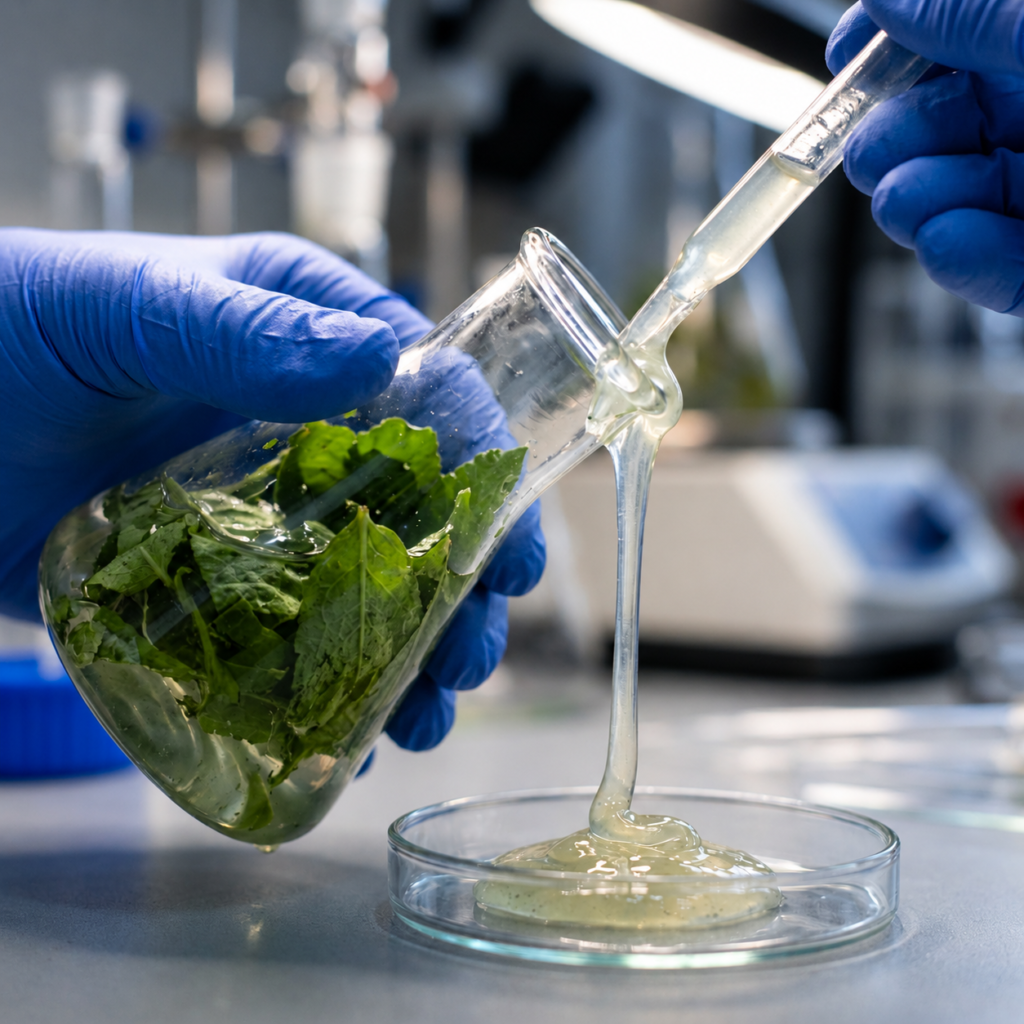
depend on dissolving pulp which is a highly purified form of wood or plant
cellulose. Producing it requires years of forest growth, specialized mills, and
controlled chemical processes. This limited supply affects prices,
availability, and sourcing decisions across the textile and pharmaceutical
industries, even though it is rarely mentioned in marketing.
A Widening Gap Between Demand and Supply
Global demand for dissolving pulp has been rising steadily
for over a decade.
A review in Biomass Conversion and Biorefinery noted
that global revenue from dissolving pulp reached $9.3 billion in 2018 alone, a
6.5% jump from the year before, driven by a demand curve that has consistently
outpaced new supply (Balkissoon et al., 2022).
That gap exists because dissolving pulp isn’t just an
ordinary commodity. The production of dissolving pulp requires proper fiber
properties, a mill that has the capability to ensure a degree of
alpha-cellulose of more than 90%, and a process chemistry that is accurate
enough to ensure that the target viscosity range is met. This is the reason why
new capacity cannot just be put in place immediately but takes time for
planting and setting up of the mill, hence supply lags behind fashion and
pharmaceutical demand cycles.
Geographic Concentration Is the Real Risk
Production and consumption of dissolving pulp are heavily
concentrated in a handful of regions, and researchers have specifically flagged
China’s growing share of both dissolving pulp production and consumption as a
structural feature of the global market rather than a temporary trend (Chen et
al., 2019).
When much of the world’s pulp production, viscose
manufacturing, and fiber processing is concentrated in one region, any
disruption such as a trade dispute, mill shutdown, or regulatory change can
quickly affect industries worldwide. This includes fashion, pharmaceuticals,
and food additives.
In simple terms, the industry depends heavily on a small
number of key production hubs, making the global supply chain vulnerable to
disruptions.
2026’s Pressure Points: Tariffs, Wood Costs, and
Feedstock Competition
The cost challenges for the dissolving pulp sector will be
increasing. In China, the rising cost of wood chips due to climatic issues and
shortage of raw material has raised the cost of pulp production even where
there is sufficient capacity.
At the same time, tariffs of around 45% on Canadian lumber
have led to several sawmills reducing or stopping production in North America.
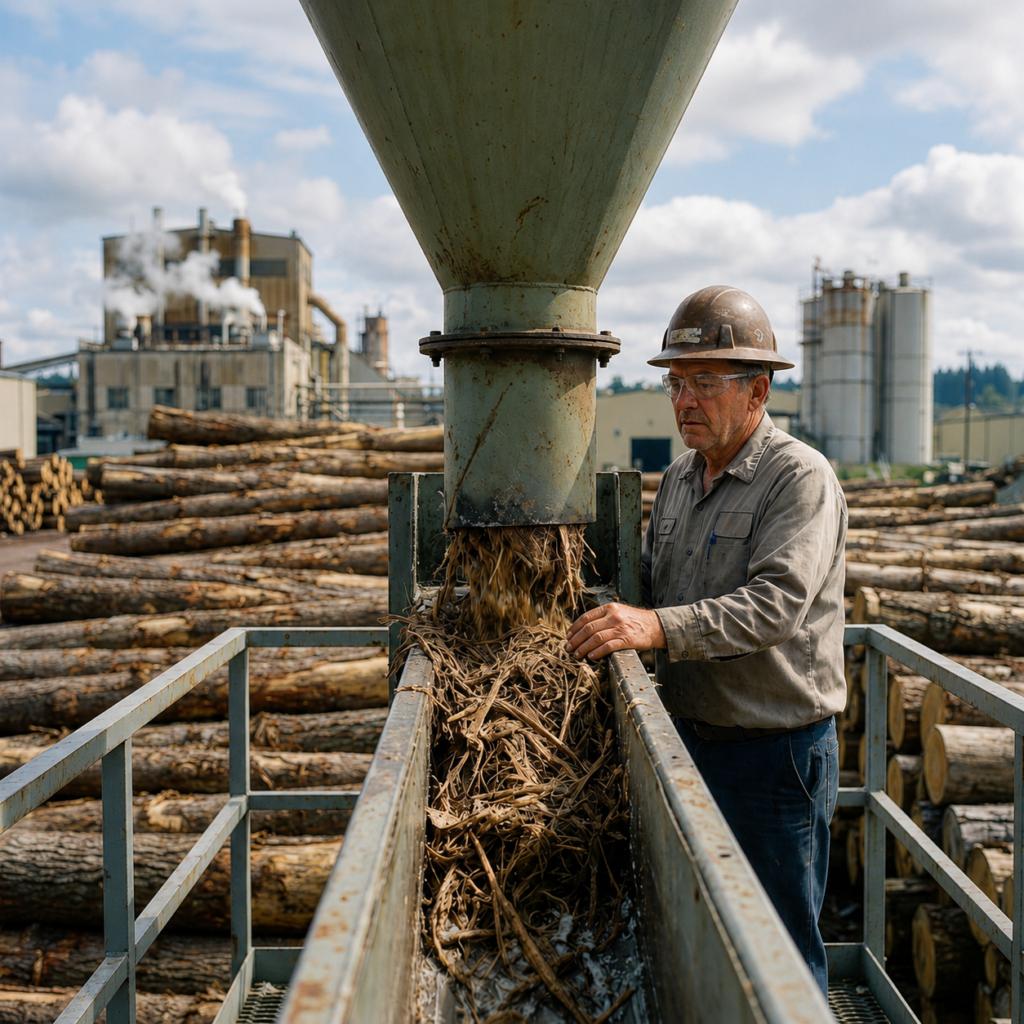
Since pulp mills rely on wood chips and other sawmill leftovers as important
raw materials, fewer operating sawmills mean higher wood costs and tighter pulp
supplies in the region (Fastmarkets, 2026).
Layer onto that the well-documented decline of cotton as a
raw fiber source, driven by water-intensive farming and shrinking arable land,
and dissolving pulp is being asked to absorb demand that used to go to an
entirely different crop altogether. Every additional ton of viscose or lyocell
fiber the market wants is a ton of pressure added directly onto wood-based
dissolving pulp supply.
Why This Bottleneck Matters
For a fashion brand, this bottleneck shows up as pulp
allocation contracts, price volatility, and, increasingly, long-term supply
agreements signed years in advance to secure future capacity. For a
pharmaceutical company relying on cellulose ethers for tablet coatings, it
shows up as tighter vendor qualification and more scrutiny on backup suppliers.
For consumers, it eventually shows up in price, even if the label never
explains why.
The reality is that simply saying “plant-based” or
“renewable” does not mean a material is available in unlimited supply.
Dissolving pulp is the narrow link between forests, which take years to grow,
and global fiber demand, which can change within weeks. Until more production
capacity is developed outside the current major hubs, supply will remain
limited, even as demand continues to grow.
Frequently Asked Questions
What exactly is the bottleneck in the cellulose supply
chain?
It’s dissolving pulp, the highly purified cellulose
feedstock needed to make viscose, lyocell, and cellulose derivatives. It
requires specific tree species, specialized mills, and years of capital
investment to produce, so supply can’t expand quickly even when demand rises
fast.
Why is dissolving pulp production so concentrated in one
region?
Building new purification capacity requires major capital
investment and years of lead time, so producers tend to expand where
infrastructure, forestry resources, and downstream viscose spinning capacity
already exist, reinforcing existing regional concentration rather than
spreading it out.
Does this bottleneck affect anything besides clothing?
Yes. The same dissolving pulp feedstock supplies
pharmaceutical-grade cellulose ethers, food additives like cellulose gum, and
specialty products such as cellulose acetate, so pressure on pulp supply
ripples into industries well beyond textiles.
Is there a quick fix for this supply constraint?
Not really. Because it depends on forest growth cycles and
mill construction timelines, the pulp supply cannot expand as quickly as
fashion or industrial demand, meaning the bottleneck is likely to persist for
years rather than resolve suddenly.
References
Balkissoon, S., Andrew, J., & Sithole, B. (2022).
Dissolving wood pulp production: A review. Biomass Conversion and
Biorefinery, 13, 16607-16642. https://doi.org/10.1007/s13399-022-02442-z
Chen, Z., Zhang, H., He, Z., & Zhang, L. (2019). Current
and future markets of dissolving pulp in China and other countries. BioResources,
14(4), 7627-7629. https://doi.org/10.15376/biores.14.4.7627-7629
Fastmarkets. (2026, March 12). Critical pulp industry
insights: 2026 outlook and supply trends. https://www.fastmarkets.com/insights/critical-pulp-industry-insights-2026-outlook-and-supply-trends/