If you ever pick up any piece of clothing in your wardrobe
and check the tag, there is a high chance of it saying polyester, or a blend of
both. For decades, synthetic fibres ruled the textile world because they were
cheap, easy to produce and simple to shape into anything. But the planet is now
paying for that convenience.
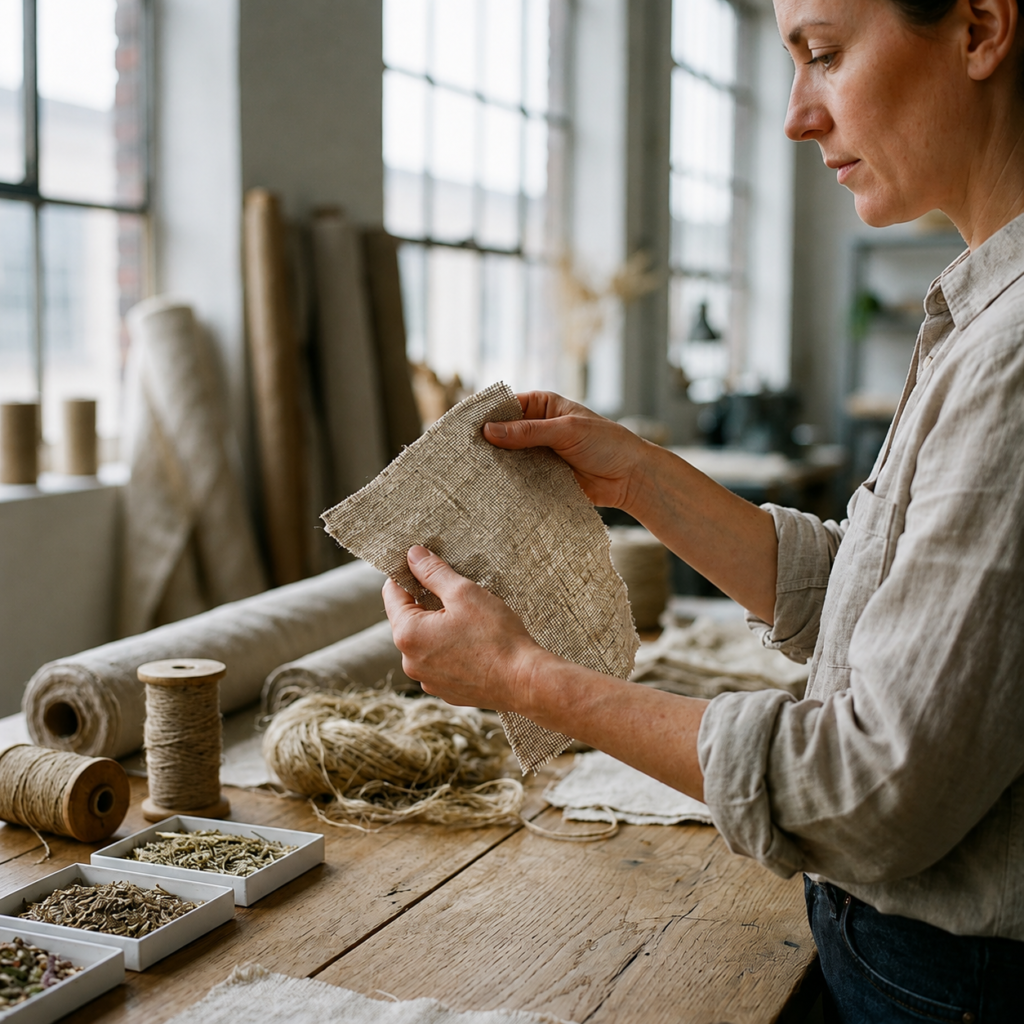
Natural fiber innovation is the industry’s solution to the
problem. It is not just about going back to cotton and wool, it is about
reinventing fibers from the ground up, crop waste, mushrooms, algae, and even
fruit peels, so that clothing can be strong, comfortable, and genuinely
biodegradable.
The global natural fiber market was valued at roughly $62.87
billion in 2025 and is projected to climb to $99.31 billion by 2034, growing at
a steady 5.1% annually (Fortune Business Insights, 2026). The growth reflects
the shift in brands, farmers and shoppers mindset about the fabric used in
their cloth.
Cost of Conventional Textiles
The textile sector is responsible for an estimated 2% to 8%
of global greenhouse gas emissions and consumes around 215 trillion litres of
water every year, an amount equal to 86 million Olympic-sized swimming pools
(United Nations Environment Programme [UNEP], 2023). Producing just one
kilogram of conventional cotton, enough for a single t-shirt and a pair of
jeans, can require around 2,700 litres of water (Worldmetrics, 2026).
Water is only part of the story. The UNEP (2023) report also
found that the industry uses close to 3.500 different chemicals during
production and contributes about 9% of the microplastic pollution entering the
world’s oceans each year. Much of that comes from synthetic fabrics shedding
microplastics every time they are washed. Polyester alone accounts for majority
of these ocean microfibers.
On top of the environmental toll, regulation is tightening.
Starting in 2026, the European Union’s Corporate Sustainability Reporting
Directive requires companies to disclose their full supply-chain emissions,
pushing suppliers to prove their materials are genuinely low-impact (MarkWide
Research, 2026). In short, the old way of making textiles is running out of
road, both ecologically and legally.
Where Natural Fiber Innovation Is Heading
1. Fibers grown from farm and food waste
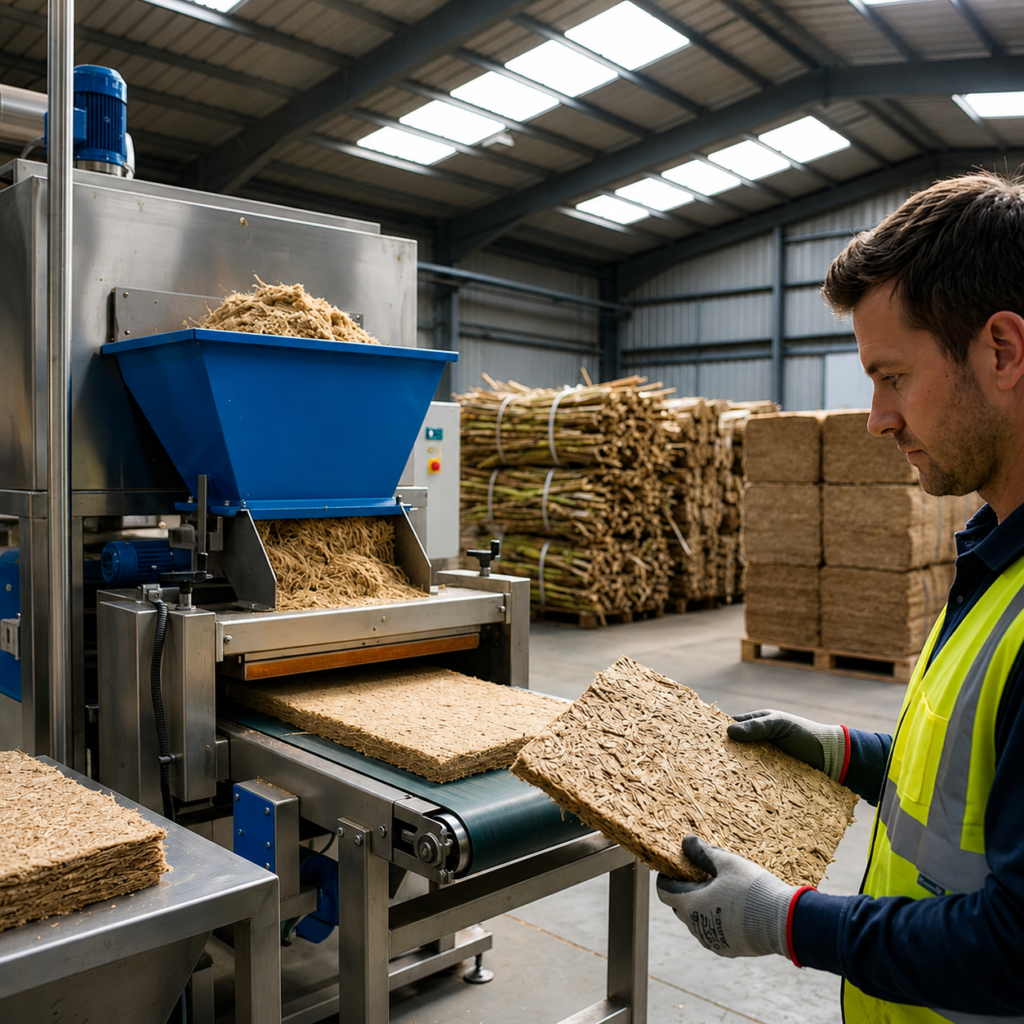
Instead of tossing agricultural scraps like pineapple
leaves, banana stems, and citrus peels, manufacturers are turning them into
textiles. It gives food waste a second life while saving land and water.
2. Mushroom leather and lab-grown materials
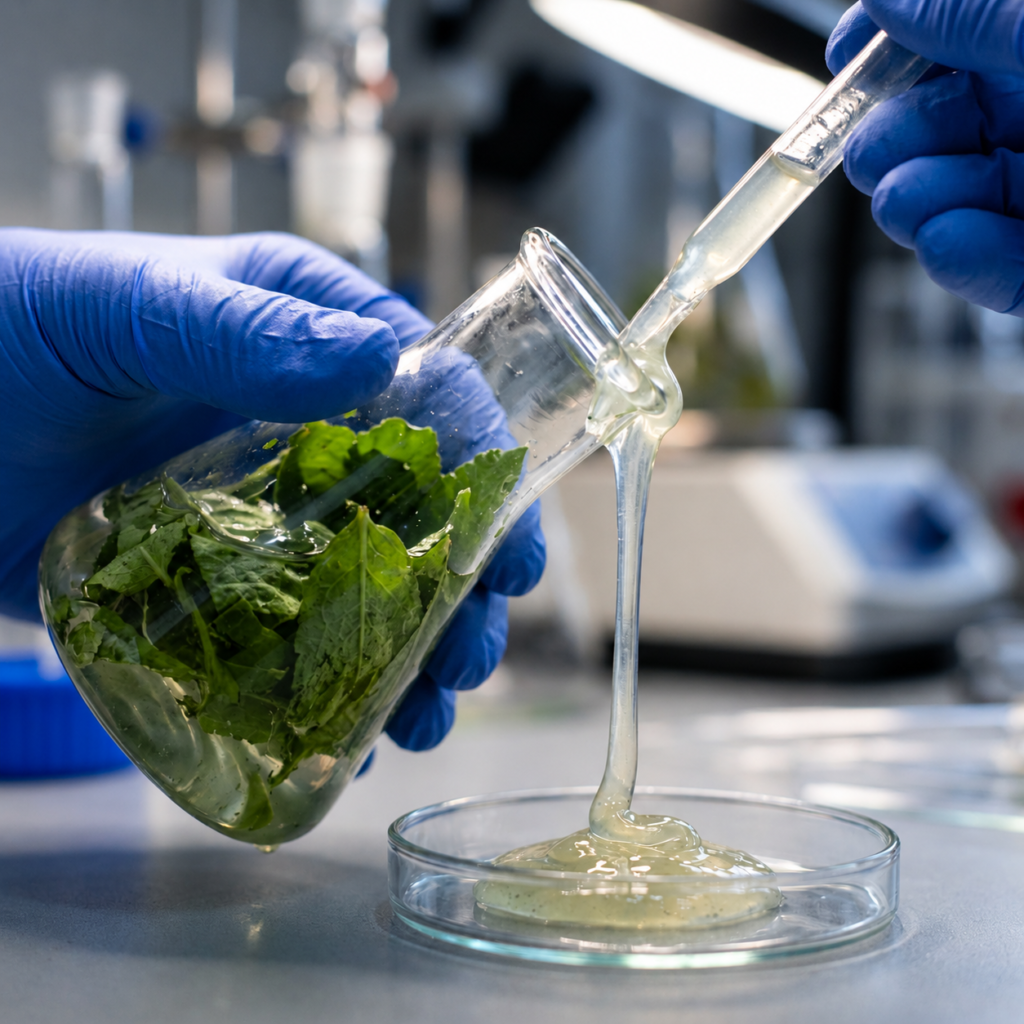
Using mycelium (fungus roots) and yeast-derived cellulose,
brands are growing leather alternatives in labs. This shifts fashion away from
heavy land and livestock reliance.
3. Bio-cellulosic fibers (Lyocell & Modal)
Wood-pulp fibers are booming because they’re made in
“closed-loop” systems that recycle almost all water and solvents.
Lyocell alone is set to become a $3.4 billion market as a cleaner alternative
to traditional cotton.
4. Regenerative and organic farming
Smarter farming is overhauling traditional crops. Organic
cotton, hemp, and bamboo are seeing surging demand as shoppers push for
traceable, chemical-free materials.
5. Fiber-to-fiber recycling
Recycling tech can now break down old clothes—even tricky
fabric blends—and spin them back into fresh, high-quality yarn. This keeps
existing textiles out of landfills and reduces the need for raw materials.
6. Smart and self-healing natural blends
Natural fabrics are getting high-tech upgrades like
temperature regulation, light sensors, and self-repairing properties for minor
tears, combining performance with sustainability.
A Fabric Shift Worth Watching
Natural fiber innovation is not a passing trend confined to
niche eco-boutiques. It is backed by billion of dollars in market growth,
tightening global regulation, and real advances in agricultural and lab
science. From pineapple-leaf textiles to mushroom leather, from organic cotton
fields to closed-loop recycling plants, the building blocks of clothing is
being reinvented.
Frequently Asked Questions
What counts as a “natural fiber”?
Natural fibers come from plants, animals, or minerals rather
than being synthesized from petroleum. Cotton, hemp, wool, linen, jute, and
newer additions like mushroom-based leather and fruit-waste fibers all fall
under this category.
Are natural fibers always better for the environment than
synthetics?
Not automatically. Conventional cotton can use large amounts
of water and pesticides. The real gains come from how a fiber is grown or
produced, which is why organic farming, waste-based fibers, and closed-loop
processing are such a big part of current innovation
Why are brands suddenly investing so heavily in this
space?
A mix of consumer demand and regulation. Shoppers
increasingly look for eco-labels and traceable sourcing, while rules like the
EU’s Corporate Sustainability Reporting Directive now require companies to
disclose the environmental imoact of their supply chains, making sustainable
fibers a business necessity rather than a nice-to-have.
References
Fortune Business Insights. (2026). Natural fiber market size, share &
industry analysis. https://www.fortunebusinessinsights.com/natural-fiber-market-113957
Global Textile Times. (2026). Fashion trends influencing fabric
innovation in 2026. https://www.globaltextiletimes.com/technology/fashion-trends-influencing-fabric-innovation-in-2026/
Grand View Research. (2026). Eco fiber market size, share and growth
report, 2026–2033. https://www.grandviewresearch.com/industry-analysis/eco-fiber-market
Heuritech. (2026). Fabric innovation: Top textile trends &
technologies for 2026. https://heuritech.com/articles/fashion-fabric-innovations/
MarkWide Research. (2026). Sustainable fabrics market size, share, and
industry trends forecast 2026–2036. https://markwideresearch.com/sustainable-fabrics-market
Uniform Market. (2026). Environmental impact of fast fashion statistics
(2026). https://www.uniformmarket.com/statistics/fast-fashion-statistics
United Nations Environment Programme. (2023, November). As Black Friday
looms, some in the fashion industry take aim at overconsumption. https://www.unep.org/news-and-stories/story/black-friday-looms-some-fashion-industry-take-aim-overconsumption
Worldmetrics. (2026). Fashion industry environmental impact: 2026
verified stats. https://worldmetrics.org/fashion-industry-environmental-impact-statistics/