
Walk into any supermarket. Look at your cart. Chances are that everything in it arrived wrapped, sealed, bagged, or encased in plastic — most of it designed to be used once and never again. Now imagine being the company that makes that product, and a board member, a regulator, and a Gen Z consumer are all staring at you asking the same question: what are you going to do about it?
That’s the reality facing thousands of businesses right now. The global sustainable packaging market was valued at $310 billion in 2024 and is projected to nearly double to $648 billion by 2034. So, it’s now or never to take action against this.
The Consumer Has Already Made A Decision
In a 2025 report of over 2000 consumer respondents in the USA, 90% responded that they would be more inclined to buy from companies that offer sustainable and/or eco-friendly packages. More than half (54%) of respondents had actively chosen to purchase a product based on its sustainable or eco-friendly packaging in the last 6 months. Almost half of the Millennial and Gen Z consumers stated that they are willing to pay premium pricing for the greener alternative.
These are not kind thoughts, they represent the actual purchasing behaviours of real people as they take place today. Sustainable or eco-friendly packaging has gone from being a “nice to have” to that of a bona fide competitive signal that an extremely trusted company could use to achieve multiples of up to 400% higher than the market cap of any company with low trust.
Four Ways Businesses Are Transitioning From Plastic to Sustainable Alternatives
There is no one-size-fits-all approach that businesses can take to transition from plastic materials to more sustainable alternatives. The most successful businesses are choosing a path according to their production processes, customer preferences, and the limitations of their existing supply chains and production capabilities.
Step 1: Material Substitution
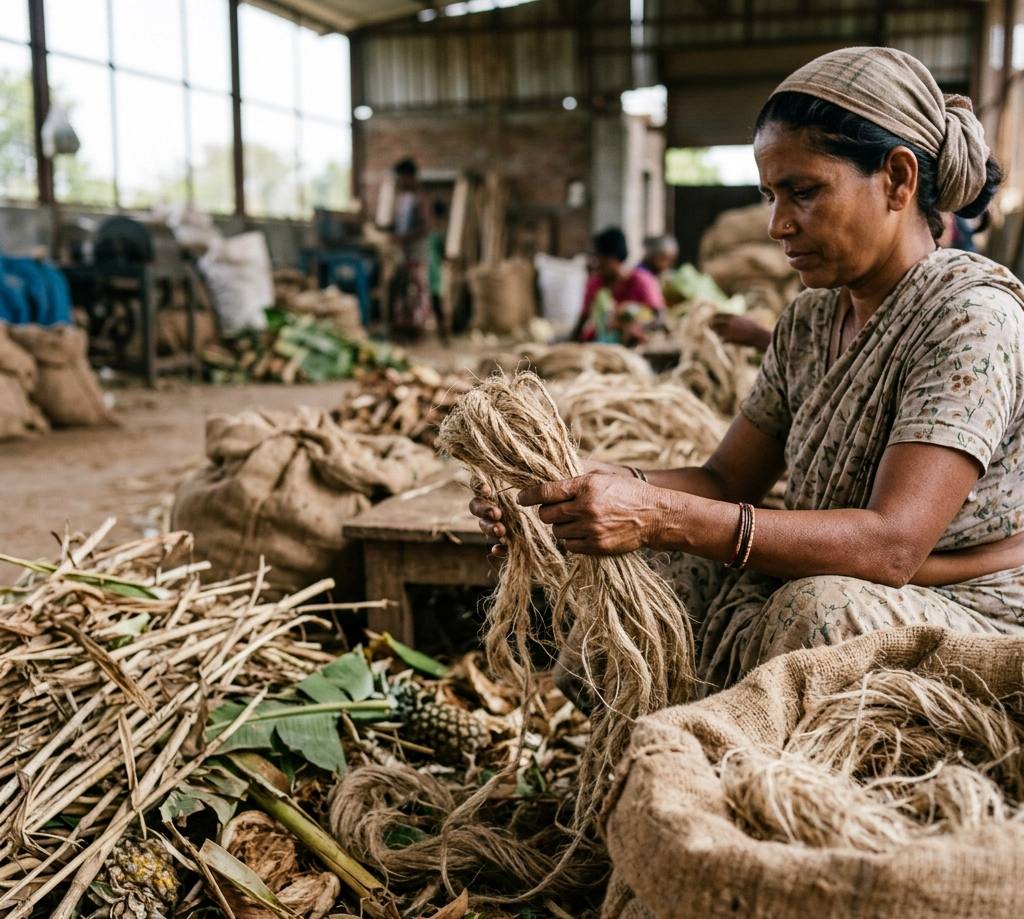
Businesses can choose to replace their plastic packaging with paper products, bamboo materials, bagasse materials, or mono-material films. The paper/paperboard packaging will account for 38% of total sustainable packaging sales in 2024, and recycling rates for cardboard are estimated to reach an all-time high of 88%.
Step 2: Lightweighting
Companies can choose to reduce material thickness and decrease the number of components in their products. Coca-Cola Europacific Partners’ redesign of its 500ml PET bottle resulted in the use of 15% less plastic than before, which represents an annual savings of nearly 10,000 metric tonnes of PET.
Step 03: Setting Goals for Recycled Content
By using post-consumer recycled (PCR) materials. For example, Amcor has agreed to partner with Kimberly-Clark for the launch of 30% recycled content Eco Protect diapers in Peru in 2024.
Step 04: Reuse And Refill Systems
According to research from the Ellen MacArthur Foundation, companies implementing refillable systems for their products can reduce packaging waste by as much as 70% with an average of three uses. Refillable systems are beginning to be adopted by major brands worldwide and into the pilot phase.
Truth About Cost
One of the most dangerous myths in the industry is that sustainable packaging costs more than traditional packaging. Many companies continue to delay the adoption of these types of materials because of this myth. However, the reality of the situation is actually much more complex.
Despite the fact that biodegradable plastics are more expensive than traditional plastics (for example, PHAs), lightweighting will still save a company money overall. In doing so, a company reduces the amount of material needed in shipping, reduces the amount of space required in a warehouse and reduces the amount of waste associated with packing materials.
An example would be a beauty company that has reduced the amount of packaging used by 20% has included 50% recycled content in its packaging and made all of its packaging reusable or compostable. By doing so, that company has cut its packaging-related greenhouse gas emissions by more than 40% and did so without incurring any additional expense in the process.
Warning: If all retailers follow through on recycled-content commitments, US demand for recycled PET in 2030 would be roughly three times current supply. The material shortage is coming, companies that wait will pay a premium.
The Barriers
According to research into packaging conducted by McKinsey & Company in 2025, packaging buyers often face three barriers repeatedly.
The first is a lack of performance because sustainable materials will rarely have the same functional characteristics as conventional plastics regarding shelf life, heat resistance and/or barrier properties. Multilayer films can greatly increase the amount of time food can be stored before being spoiled, however these materials are typically impossible to recycle.
The second barrier is scalability. A CEO of a food packaging company said “Creating a prototype for a sustainable material solution is very straightforward. Producing millions of units consistently and at an acceptable cost per unit using the same sustainable material is a very different challenge.” Developing new machinery to produce the alternative packaging requires reworking the logistics, redefining the supply chain and altering the way the materials are stored. These are operational changes that cannot be classified solely as packaging changes.
Third is that the supply chain is not prepared. High-quality recycled material collection rates in the US are expected to stay essentially flat in the near term, creating a crunch for brand owners who have made public recycled-content commitments. The ambition is outpacing the infrastructure.
Take A Look at What the Leaders Are Actually Doing
Businesses that want to drive change are not waiting on perfect solutions. For example, Nestlé, Amcor and Unilever are already moving forward with redesigning their packaging to use materials compatible with local recyclability. They have done this by using high-barrier paper or mono-polymer films that sacrifice some functionality to improve their recyclability.
With regards to switching from mixed laminates to mono-material polypropylene, the life cycle analysis released by the European Commission in 2024 estimates that such a switch would reduce carbon emissions associated with packaging by 16% – 20%.
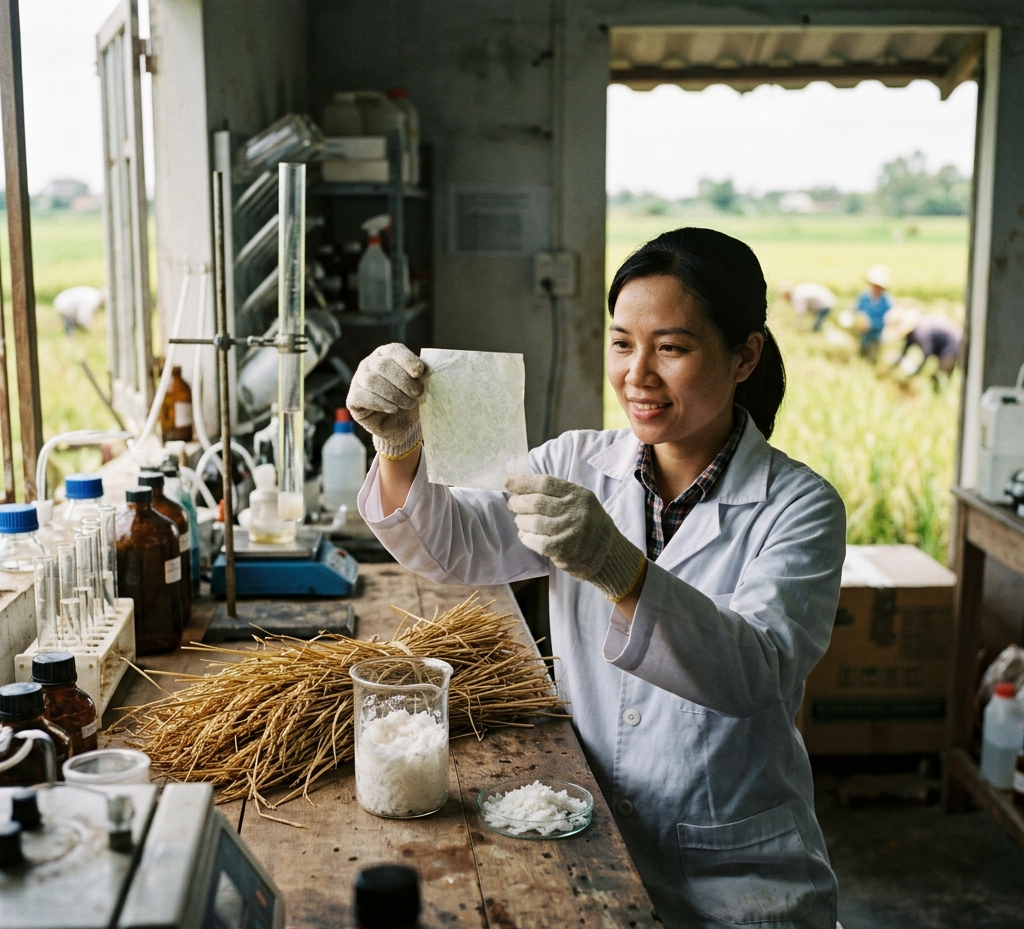
In 2024, Duni Group and Notpla jointly launched food packaging made with a seaweed coating and free from plastic. This packaging not only meets the functional requirements of traditional plastic food packaging but is also fully biodegradable and represents the first time food packaging has been created from a completely new material. In addition to that, researchers developing bio-based PHAs agree that bio-based PHAs will provide sustainable alternatives to fossil-based films.
According to a report published by IEA Bioenergy in 2024, if 25% of plastic packaging exists as bio-based alternatives, global packaging emissions could be reduced by 200 million tonnes of CO₂ equivalent annually.
The transition to sustainable packaging is not a rebranding exercise. It’s an engineering challenge, a supply chain problem, a consumer communication task, and a regulatory compliance effort all at once. The 7% of companies that succeed at major sustainability transformations share one trait: they treat it as a core business priority, not a marketing footnote. The box genuinely needs a makeover. The companies that start building it today won’t be scrambling to catch up tomorrow.
Frequently Asked Questions
Does sustainable packaging always cost more than traditional plastic?
It depends. Although some bio-based products such as PHAs may have a higher price tag, approaches such as lightweighting and using recycled raw materials might actually save money in the long run. Lightweighting saves on transportation and storage, while building the supply chain for recycled materials ensures a steady flow at lower prices before the expected increase around 2030 when demand exceeds supply.
What is the biggest mistake companies make when transitioning?
Focusing on marketing initiatives instead of supply chain management. In addition to changing materials, a shift to sustainable packaging requires new manufacturing equipment, reworking logistics, new storage systems, and auditing suppliers. Organizations that underestimate the intricacies of the process or make public commitments without a supply chain strategy often fail to meet their own objectives, just like Coca-Cola, which had to delay all its sustainability milestones from 2025 to 2035.
What materials are leading the sustainable packaging shift?
Currently, papers/paperboards hold the greatest market share with 38%, due to the fact that these materials have the greatest recyclability (up to 88%). Apart from paper, other emerging materials include mono-polymer plastics, biopolymers PHA, seaweed coatings, and sugarcane bagasse. However, the main thing to look out for when discussing 2025 innovations in sustainable packaging is avoiding laminated multilayer plastics.