The gap between lab-based and real-world application is one of the biggest problems associated with biodegradable materials in contemporary times. Not only does their success depend on the chemistry of the materials themselves but also the presence of the necessary waste disposal systems and supportive regulations. Encouragingly, recent advances in material development, improvements in waste-processing infrastructure, and stronger policy initiatives are beginning to reduce this gap, making the practical use of biodegradable materials increasingly achievable.
Why Industries Are Making the Shift
The growing adoption of biodegradable materials is being driven by a number of interlinked factors, thereby ensuring that the trend is not just a passing fad.
The first factor in this regard is the tightening of regulations. For instance, in India, the Plastic Waste Management Rules have categorized compostable plastics into a different category of Extended Producer Responsibility (EPR), which requires the producer to ensure compliance with full EPR responsibility for compostable packaging.
Another important factor is the increasing emphasis on environmental, social, and governance (ESG) commitments. Companies are now not just supposed to declare their sustainability objectives; they are expected to show some level of achievement through sustainable packaging, innovative materials, and proper waste management. As a result, biodegradable materials have become an important component of many corporate sustainability initiatives.
In addition to regulatory and sustainability considerations, supply chain resilience has emerged as a significant motivation. Heavy dependence on fossil fuel-based raw materials exposes manufacturers to fluctuations in oil prices, geopolitical uncertainties, and supply disruptions. Incorporating bio-based feedstocks into production helps diversify raw material sources, reducing supply risks while simultaneously supporting environmental objectives. Consequently, the shift toward biodegradable materials is increasingly viewed as a strategic business decision that enhances both sustainability and long-term operational resilience.
What Makes These Materials Usable Today
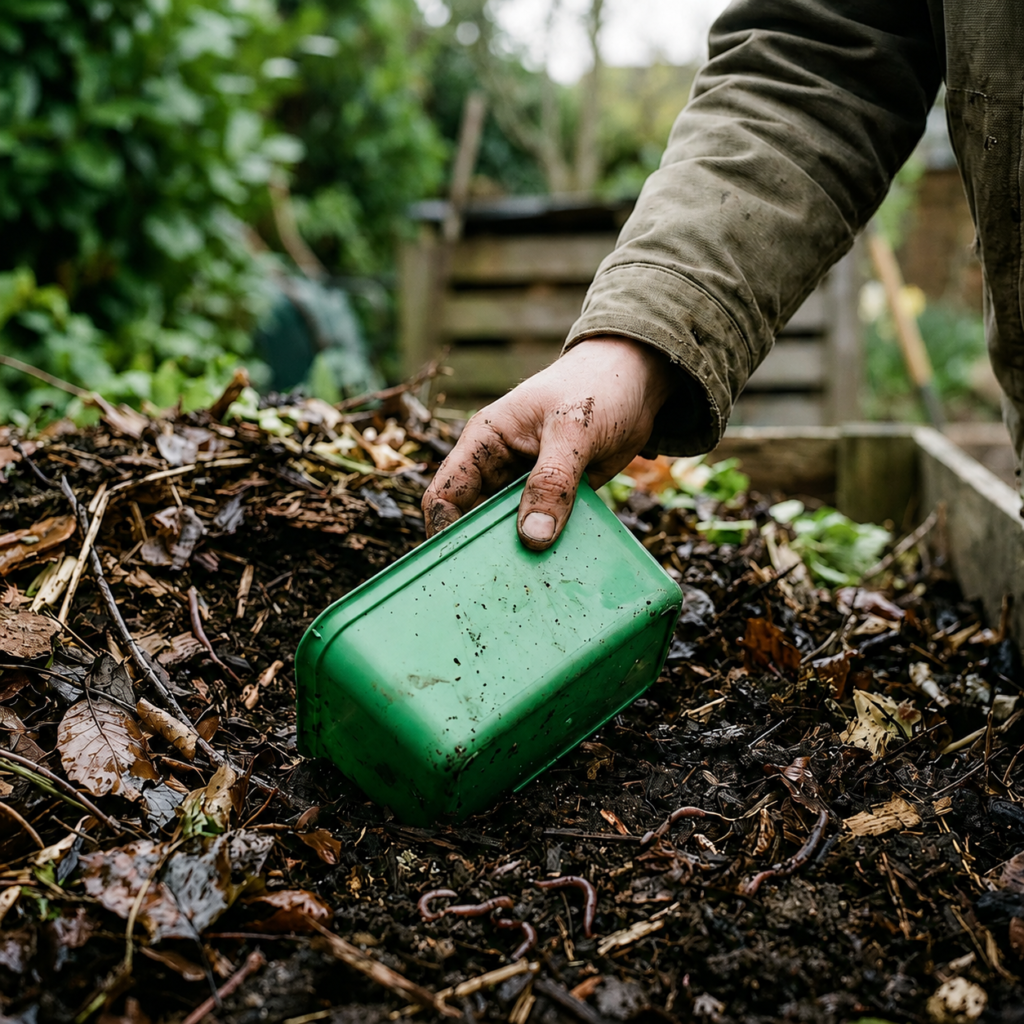
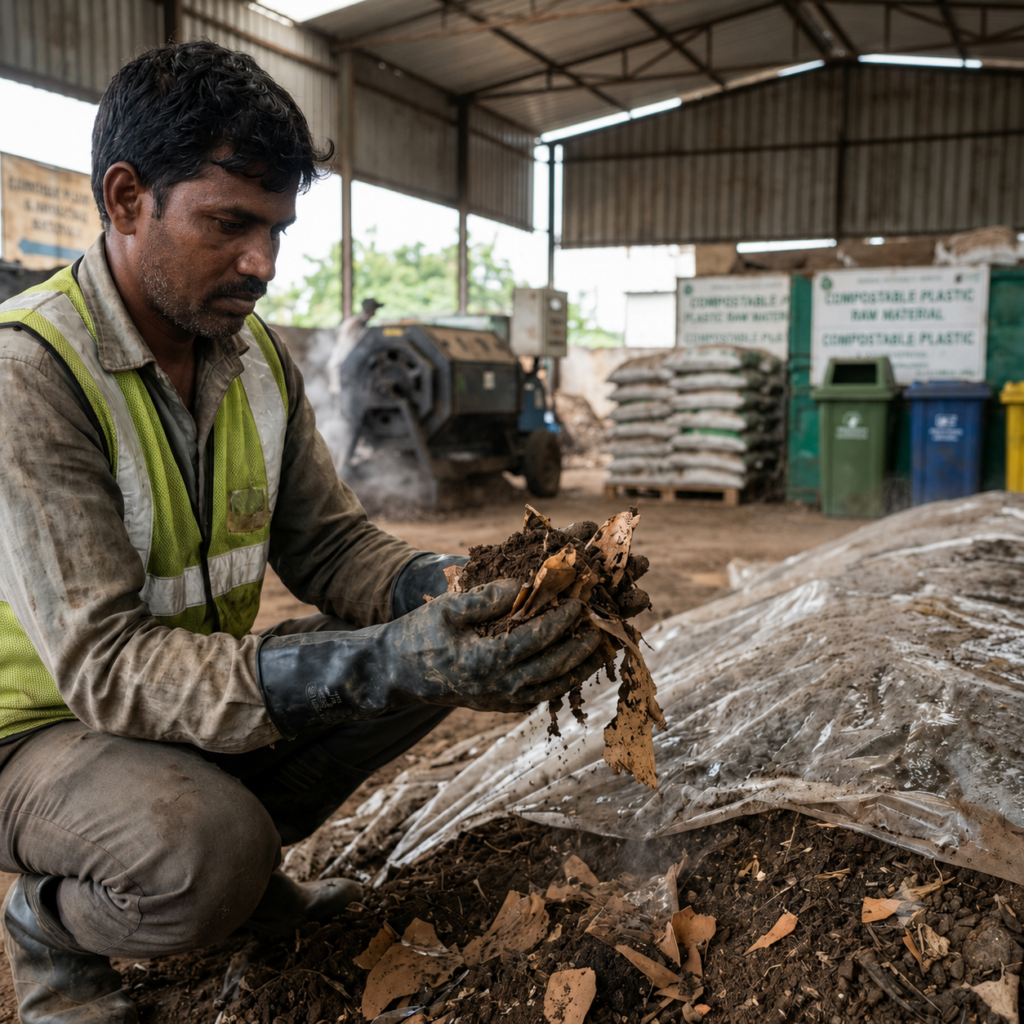
One important distinction which is frequently overlooked while discussing biodegradable packaging is the difference between industrially compostable material and naturally biodegradable material. The industrially compostable plastics are especially made to degrade themselves under the special environment available in industrial composting sites. Industrial composting requires an environment with higher temperatures, moisture content, and microorganisms to break down the plastics. Such an environment does not exist at home composting sites and other places.
Polylactic acid (PLA), one of the most widely used biopolymers, needs industrial conditions above 60°C with careful moisture management and biodegrades poorly under normal environmental exposure. That’s not a flaw so much as a design constraint, the one thing that only becomes “practical” once the surrounding infrastructure exists to meet it.
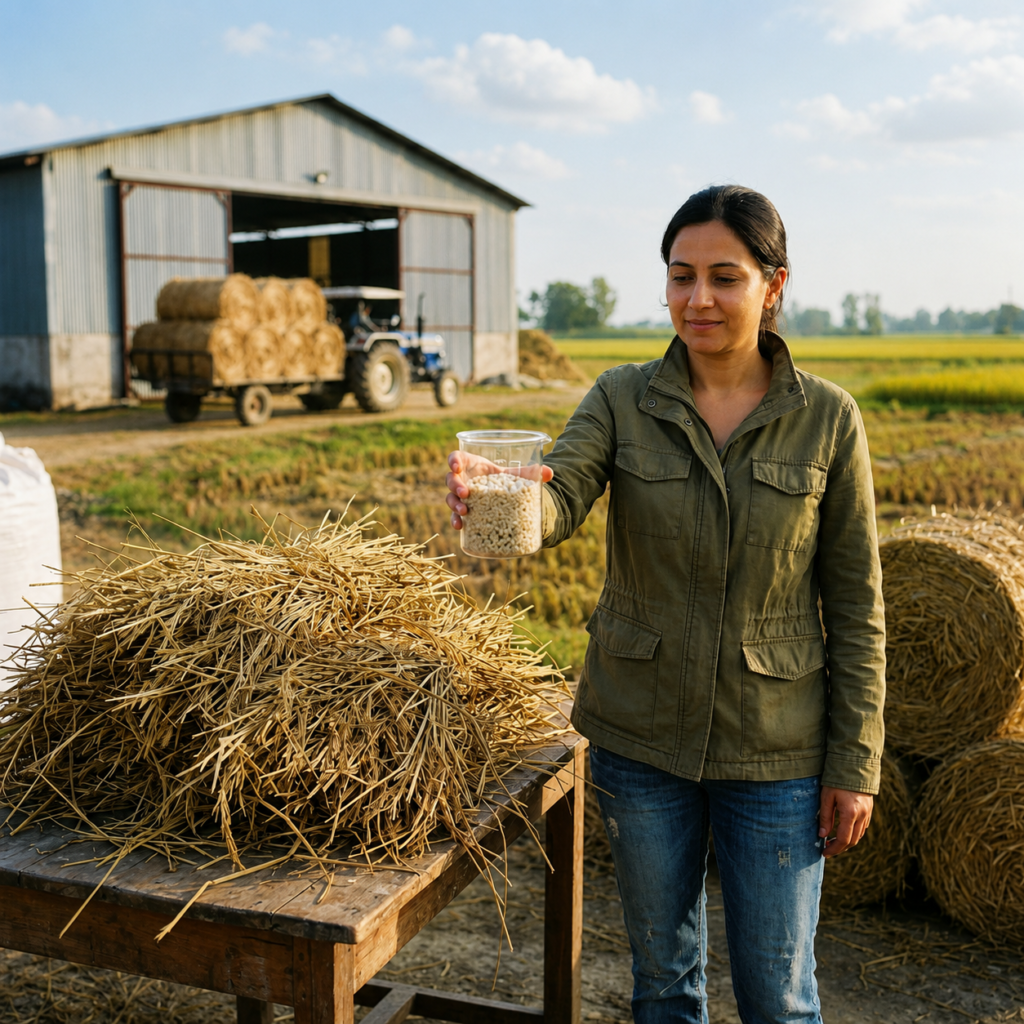
Where things have genuinely moved is the science underneath the label is polyhydroxyalkanoates (PHA). PHA made through bacterial fermentation, break the industrial-only pattern and unlike PLA, PHAs can biodegrade in home composting systems, soil, freshwater, and marine environments, which matters enormously for anything likely to escape formal waste collection.
Another approach currently being investigated by scientists includes the utilization of inexpensive, waste-based carbon sources for the production of PHAs. More and more agricultural wastes, organic wastewaters, and other types of waste are being substituted for virgin biomass as substrates for fermentation reactions. Moreover, a recent experiment carried out in 2024 has proven the possibility of producing PHA from industrial methane. The utilization of such substrates might reduce the cost of production and make PHAs commercially viable.
The Honest Limitation: Cost and Scale
Despite advances in technology, cost is one of the biggest obstacles to the widespread use of biodegradable plastics. Many biodegradable plastics cost much more to produce than traditional plastics made from petroleum. For example, the production cost of polyhydroxyalkanoates (PHAs) is commonly estimated at approximately $4-6 per kilogram, whereas conventional plastics are typically produced for around $1-2 per kilogram. Industry estimates also suggest that manufacturing PHA can cost nearly three times as much as producing conventional polyethylene. Similarly, although polylactic acid (PLA) is commercially available, it is often blended with conventional polymers or performance-enhancing additives to achieve the mechanical strength and barrier properties required for many packaging applications.
As a result, economic factors continue to limit large-scale market adoption more than technical feasibility. Although biodegradable plastics have attracted substantial research interest and investment over the past decade, they still represent only a very small share of global plastic production. Their limited market penetration reflects the continuing challenge of balancing environmental benefits with production costs, performance requirements, and commercial competitiveness.
Waste infrastructure is the other constraint and it’s structural, not technical. A compostable pouch is only as good as the facility waiting for it which is the very lesson our FMCG engineer learned the hard way. Where industrial composting doesn’t reach, genuinely home-compostable materials are often the safer bet, though they’re harder to engineer for barrier performance and shelf life.
India’s Adoption Landscape
India provides an important example of both the opportunities and the challenges associated with the adoption of biodegradable plastics. The country has established a relatively well-defined regulatory framework for compostable packaging.
The regulatory scaffolding is unusually specific like packaging made from compostable plastics must carry a label stating it is compostable only under industrial composting, conforming to Indian Standard IS/ISO 17088:2021 which is a rule that quietly forces manufacturers to be honest about the limits of their material, rather than leaning on the word “biodegradable” as a marketing shortcut. On the ground, over 200 manufacturers and sellers of compostable plastics have already been certified by the Central Pollution Control Board, evidence of a genuine domestic startup ecosystem forming around the category.
But the same reports that celebrate this growth flag the bottleneck plainly: the lack of collection, segregation, and recycling infrastructure remains a central challenge, compounded by transportation gaps and a large informal waste sector that’s difficult to formalize. A compostable sachet sold in a tier-2 Indian town has little practical advantage over conventional plastic if it ends up in an unmanaged dump rather than a composting facility built to the standard it was certified against.
Future Outlook
The future of biodegradable materials is likely to be shaped by the combined progress of technological innovation, policy development, and improvements in waste management infrastructure rather than by a single transformative breakthrough.
Feedstock innovation keeps lowering PHA’s cost curve. Regulation, EPR credit trading, labelling mandates, compostable-specific targets keeps making the status quo plastic option more expensive to defend. And municipal composting capacity, however slowly, keeps expanding under waste-management pressure that has nothing to do with bioplastics at all. None of these alone makes biodegradable material “practical.” Together, over the next several years, they start to.
Practicality was never really about whether the polymer breaks down as laboratories solved that years ago. It’s about whether the factory floor, the waste truck, and the regulation waiting at the end of the supply chain are built to receive what the chemist promised. That alignment is still uneven, but for the first time, it’s improving on every front at once which is the quieter, less quotable, but more durable version of a sustainability story.
Frequently Asked Questions
Are biodegradable materials really practical at industrial scale?
Yes, more and more often, that is, only for special purposes and not as an overall substitute. Now materials such as PHA and PLA work just fine in such cases as packaging and food service if there is a system of industrial composting. The problem is not chemical but economic; it is cost (PHA is still several times more expensive than regular plastic).
What industries benefit most from biodegradable polymers?
The best match can be found in applications such as food packaging, food service (cups, cutlery, films), agriculture (mulch films), and hospitality because there is an existing waste stream from these industries that is capable of being co-composted. Industries requiring long-term performance will continue to use blends.
How do biodegradable materials compare to conventional plastics?
The performance of these materials has improved tremendously. PHA and PLA can now meet many of the properties of traditional plastic. However, the one area where these two bioplastics lag behind is economically as the cost of production of PHA is about three to four times that of polypropylene.
What are the main challenges in industrial adoption?
Mainly, two reasons are responsible for this, first is the cost of production, which ensures that bioplastics remain only 0.5 percent of the total plastics market, and second is the infrastructure mismatch, whereby compostable plastics need an industrial composting facility, which is yet to become widespread in many parts of the world, even in India.