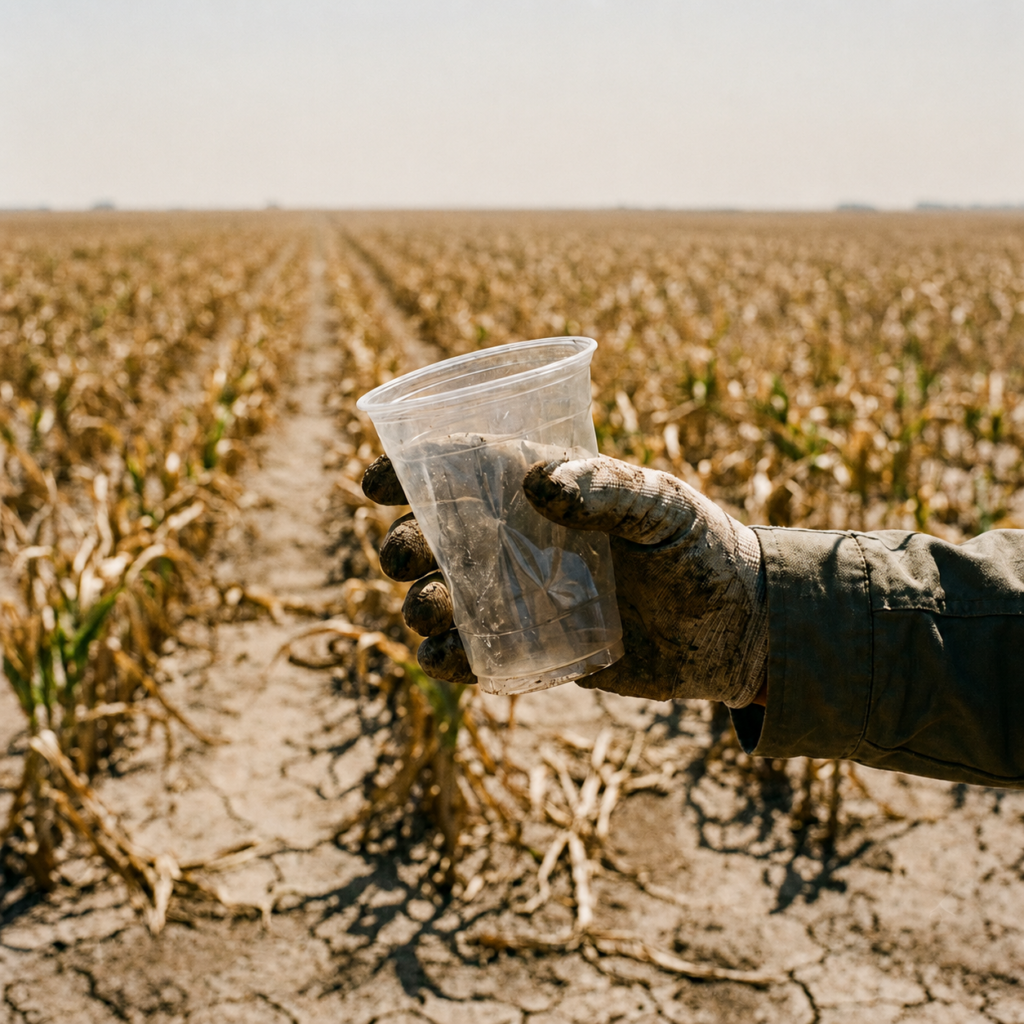
Every October and November in Punjab and Haryana, thousands of small fires burning across the plains as farmers clear rice stubble ahead of wheat sowing. Punjab alone generated an estimated 19.5 million tonnes of paddy straw in 2023 (The Indian Express, 2024).
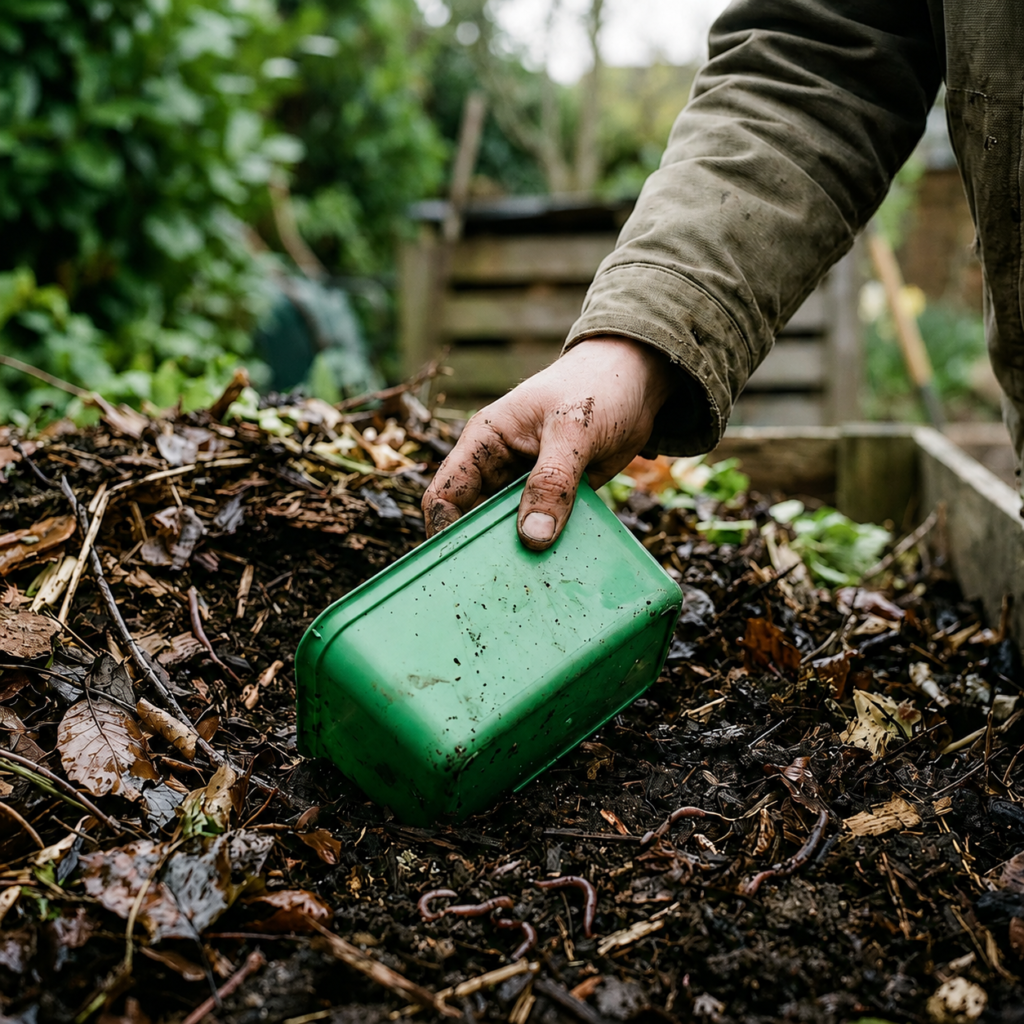
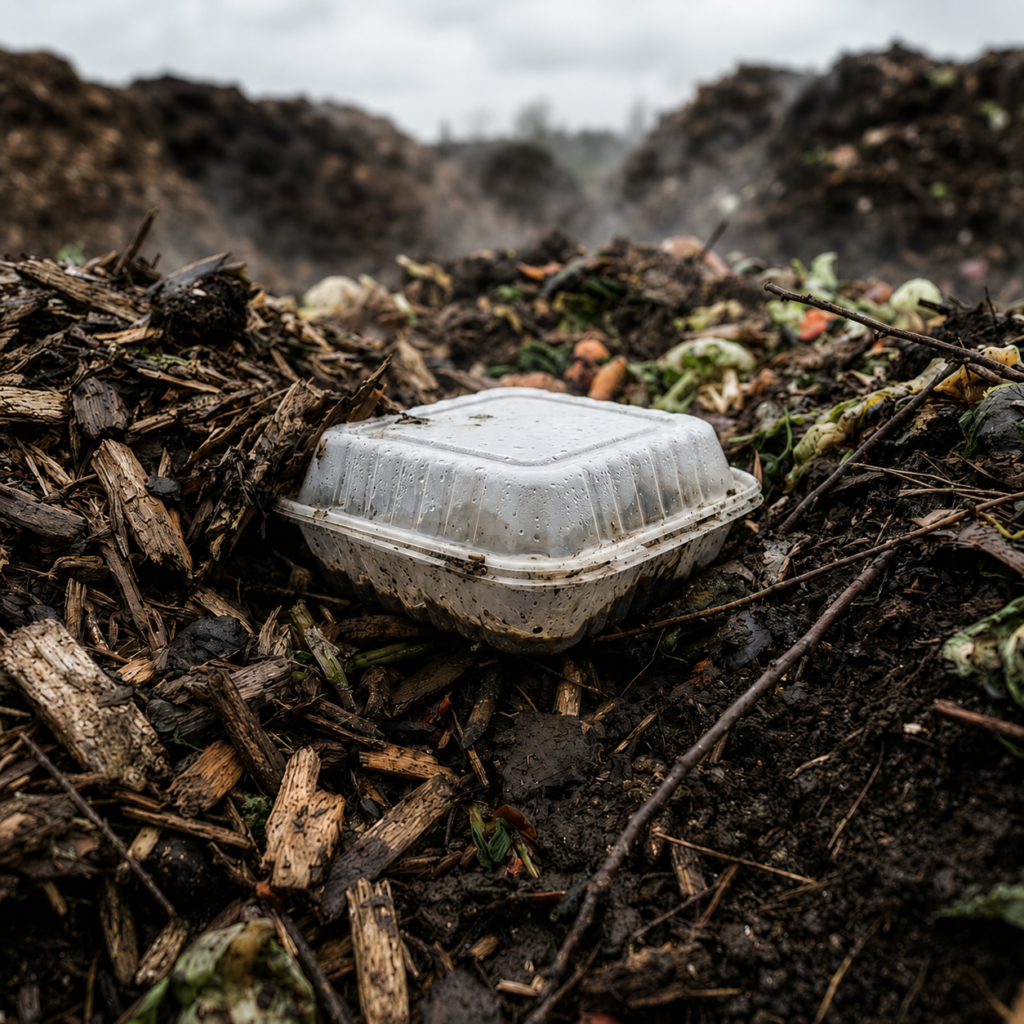
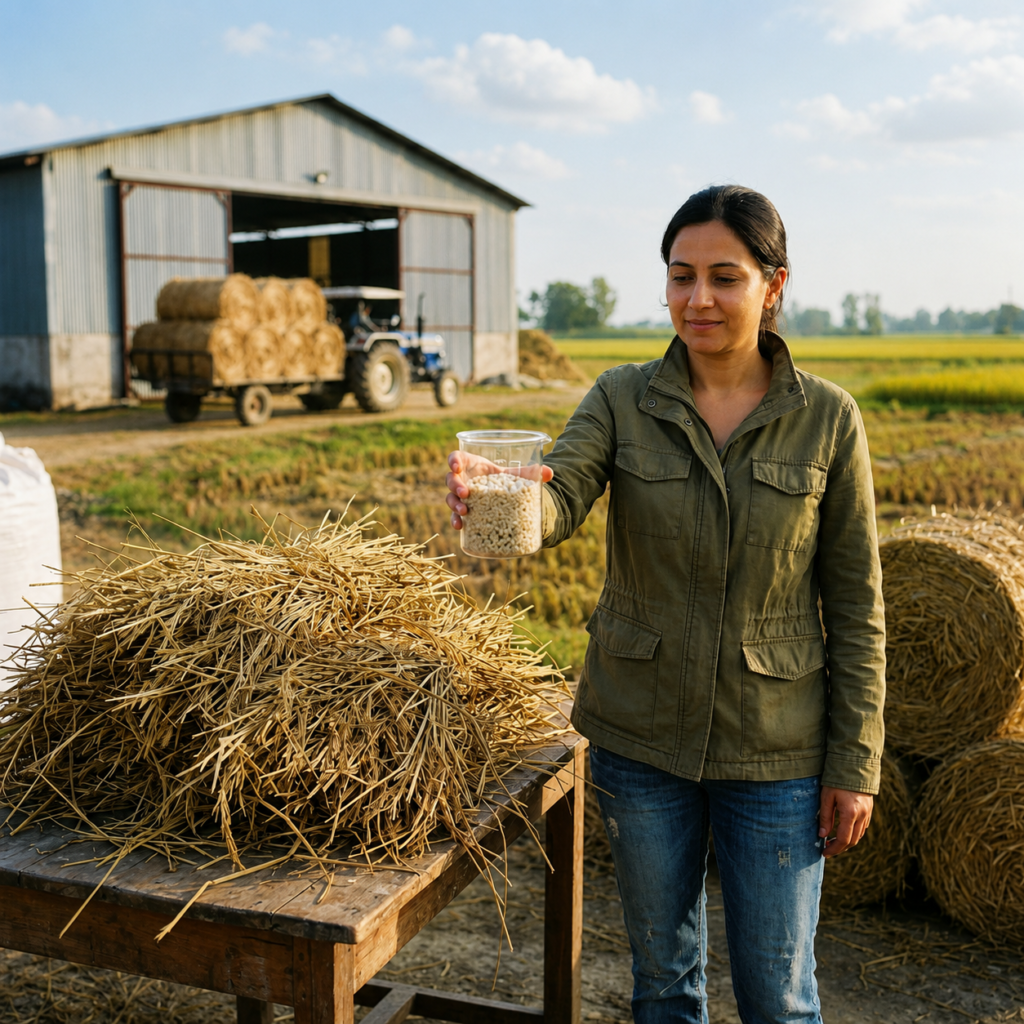
But the same rice straw can be fed to bacteria that would convert its sugars into polyhydroxyalkanoate, a biodegradable bioplastic used in packaging (Chouhan & Tiwari, 2025). One version of rice straw ends in smoke over Delhi. The other ends as resin pellets.
Which do you think is better?
How Much Waste We’re Talking About
Globally, crop production leaves behind more than 5 billion tonnes of residue every year, straw, stalks, husks, and bagasse left over once the grain or cane has been harvested (Shinde et al., 2022). Sugarcane bagasse alone accounts for roughly 540 million tonnes annually across 124 countries (Chouhan & Tiwari, 2025). In India, Punjab and Haryana together generate an estimated 28-29 million tonnes of rice stubble a year, and historically around 80% of it has gone up in flames rather than into any productive use (Climate & Clean Air Coalition, n.d.).
From Field Residue to Fermentation Feedstock
Crop residues are rich in cellulose and hemicellulose, structural carbohydrates that can be broken down into fermentable sugars. Specific bacterial strains then convert those sugars into polyhydroxyalkanoates. Researchers have measured real yields from this route: Bacillus megaterium strain CAM12, grown on finger millet straw, accumulated 8.3 grams per liter of polyhydroxybutyrate at 51.8% polymer content, while a Bacillus species grown on teff straw reached 37.4% PHA by cell dry weight (Chouhan & Tiwari, 2025). Wheat straw, rice straw, and sugarcane bagasse all show up in the same body of research as viable substrates for the same bacterial process.
Bioplastics made directly from corn starch or sugarcane juice pull from the same cropland used to grow food. Agricultural residue avoids that conflict by definition that its second-generation biomass, material left over after the food or sugar crop has already been harvested, so it doesn’t compete directly with food production the way first-generation feedstock does (Murawski de Mello et al., 2025). No new field has to be planted to generate it. It already exists, in a pile, waiting for a use.
The Gap Between What’s Generated and What’s Used
Most of that pile still isn’t being captured. Of the 19.5 million tonnes of paddy straw Punjab generated in 2023, only about 3.66 million tonnes were routed to off-site industrial or energy uses like biomass and biogas plants; the rest was managed on the field or burned (The Indian Express, 2024). There are recent signs of the balance shifting as Punjab recorded 5,114 farm fire cases in 2025, a 93% decline from 2021, according to Commission for Air Quality Management data (Deccan Herald, 2025), suggesting more of that straw is being collected and reused rather than simply burned in place.
Residue Annual Volume Source
Global crop residue, all crops Over 5 billion tonnes Shinde et al., 2022
Sugarcane bagasse, worldwide ~540 million tonnes Chouhan & Tiwari, 2025
Rice stubble, Punjab + Haryana ~28–29 million tonnes CCAC, n.d.
Paddy straw, Punjab only (2023) 19.5 million tonnes The Indian Express, 2024
WHAT MAKES A CROP RESIDUE GOOD INDUSTRIAL FEEDSTOCK
Not every byproduct qualifies. The residues researchers keep returning to share these four traits:
1. High cellulose and hemicellulose content that can be hydrolyzed into fermentable sugars for microbial conversion.
2. Generated as a byproduct of a harvest that’s already happened, not grown or land-cleared specifically to produce it.
3. Available in large, predictable volumes tied to existing, recurring harvest cycles rather than a one-off supply.
4. Currently a disposal cost rather than a commodity, which is exactly why stubble burning persists, and exactly what keeps the raw material cheap.
Frequently Asked Questions
How much agricultural waste is produced globally each year?
More than 5 billion tonnes of crop residue is generated worldwide annually, across all major crops combined (Shinde et al., 2022).
Can rice straw and sugarcane bagasse really be turned into bioplastic?
Yes. Bacterial strains including Bacillus megaterium and Bacillus species have been shown to convert sugars from crop residues like finger millet straw and teff straw into polyhydroxyalkanoate, with documented yields as high as 51.8% polymer content in one study (Chouhan & Tiwari, 2025).
Why is agricultural residue considered a better bioplastic feedstock than corn or sugarcane crops themselves?
Because it is second-generation biomass, material left over after the food or sugar crop has already been harvested, it doesn’t compete with food production or require additional farmland the way first-generation feedstocks like corn starch do (Murawski de Mello et al., 2025).
How much of India’s crop residue is actually being burned versus reused?
Punjab and Haryana together generate an estimated 28–29 million tonnes of rice stubble annually, and historically around 80% has been burned (Climate & Clean Air Coalition, n.d.). That share is falling as Punjab recorded a 93% drop in farm fire cases in 2025 compared with 2021 (Deccan Herald, 2025), even as total residue volumes, like Punjab’s 19.5 million tonnes of paddy straw in 2023, remain large (The Indian Express, 2024).
References
Chouhan, A., & Tiwari, A. (2025). Production of polyhydroxyalkanoate (PHA) biopolymer from crop residue using bacteria as an alternative to plastics: A review. RSC Advances, 15(15), 11845–11862. https://doi.org/10.1039/D4RA08505A
Climate & Clean Air Coalition. (n.d.). Promoting alternative practices to mitigate open agricultural burning in Punjab, India. https://www.ccacoalition.org/projects/promoting-alternative-practices-mitigate-open-agricultural-burning-punjab-india
Deccan Herald. (2025, December). Punjab, Haryana saw marked decline in stubble burning cases this year: Data. https://www.deccanherald.com/amp/story/india%2Fpunjab%2Fpunjab-haryana-saw-marked-decline-in-stubble-burning-cases-this-year-data-3828861
Murawski de Mello, A. F., Machado, C. M. B., Ramos Neyra, L. C., Ocán-Torres, D. Y., Barros, R. N., Medeiros, M. C., Soccol, C. R., Vandenberghe, L. P. de S., et al. (2025). Biorefinery-based production of biodegradable bioplastics: Advances and challenges in circular bioeconomy. npj Materials Sustainability, 3, Article 42. https://doi.org/10.1038/s44296-025-00086-4
Shinde, R., Shahi, D. K., Mahapatra, P., Singh, C. S., Naik, S. K., Thombare, N., & Singh, A. K. (2022). Management of crop residues with special reference to the on-farm utilization methods: A review. Industrial Crops and Products, 181, 114772. https://doi.org/10.1016/j.indcrop.2022.114772
The Indian Express. (2024, April 11). NGT to Punjab: Explain how you plan to manage 19 mn tonnes of straw in 2024. https://www.pressreader.com/india/the-indian-express/20240411/281814288896831