A question that sits in the head right now is why plant-based fibers have become a central to the idea of a circular material system and the one designed to keep resources in use instead of discarding them in a straight line from extraction to dump.
For a century, industrial processes have largely adhered to a “take, make, waste” framework. The material is mined, extracted from nature, or in some cases, based on fossil fuels, such as the oil used to make polyester and nylon. It then becomes a product, which we utilize before discarding it.
Plant-based fibers are fundamentally unique in their structure as they form loops.
Flax, hemp, jute, bamboo, banana, and pineapple are all renewable materials that have the added benefit of being biodegradable and cultivated through low-energy production techniques. These fibers help reduce CO2 from the atmosphere during their growth cycle, and perhaps more importantly, the best of these fibers were not even cultivated for fiber production.
Turning Yesterday’s Waste Into Tomorrow’s Input
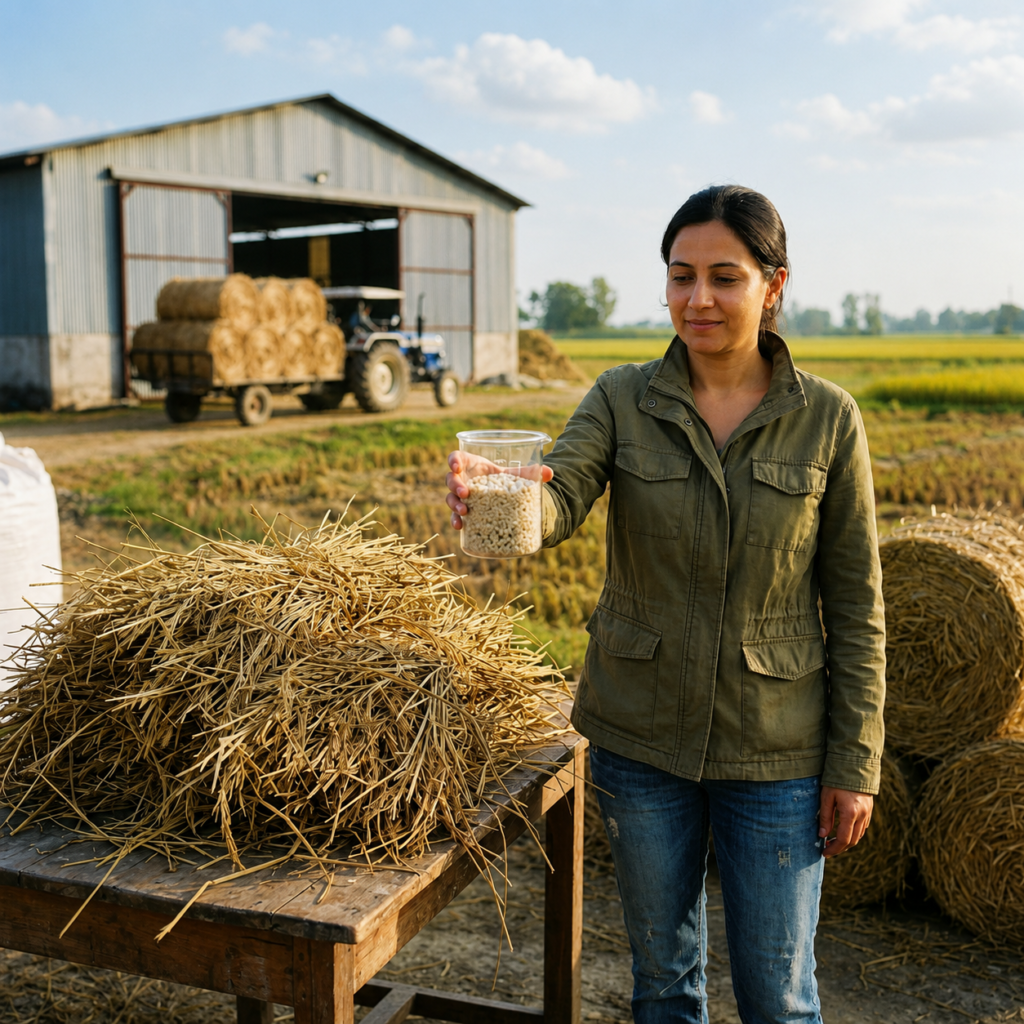
Instead of treating crop residue as garbage, a circular system treats it as a feedstock.
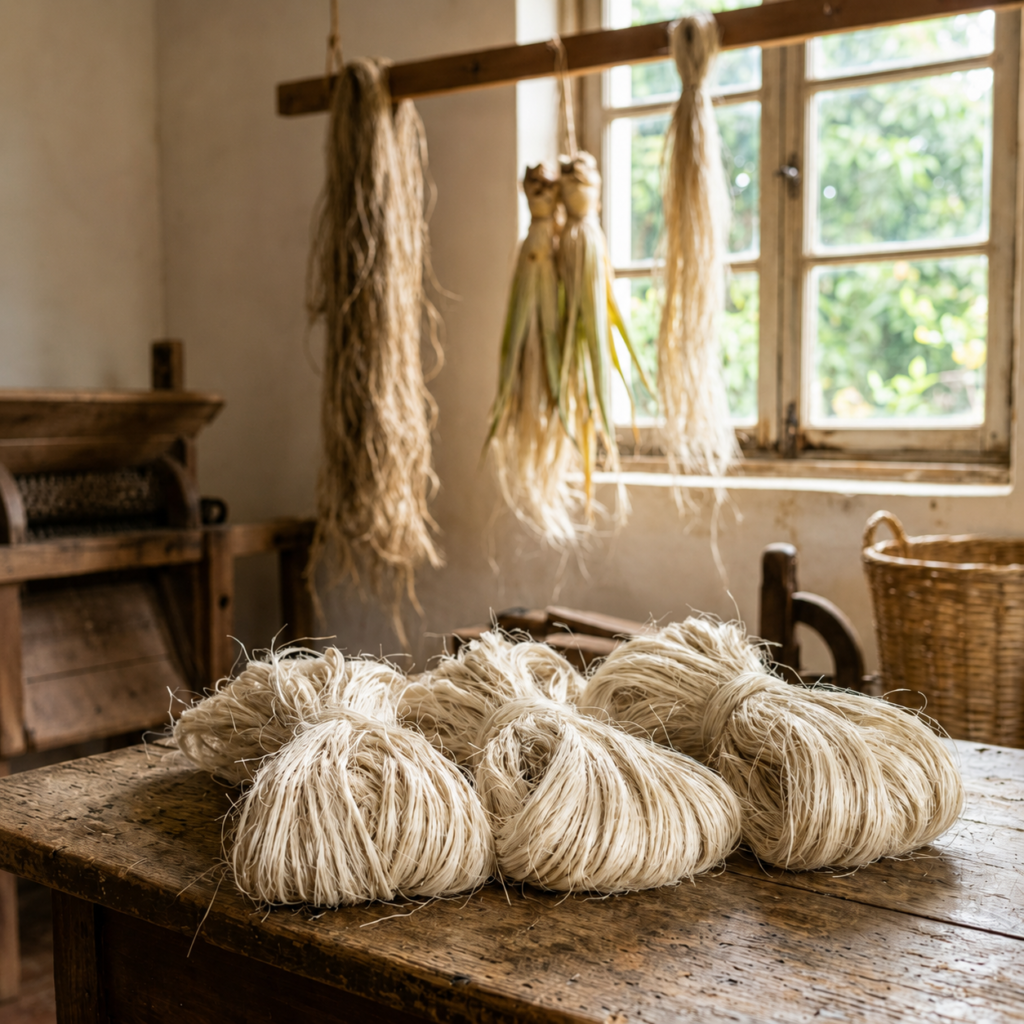
The pineapple is the classic example. After harvest, the spiky leaves are normally left to decay or burned. In Kenya, a project at Del Monte’s Thika estate has documented roughly 40,000 tonnes of pineapple biomass burned in a single year, sending more than 52,000 tonnes of carbon dioxide into the air. Initiatives like Mananasi Fibre are now intercepting that waste stream, decorticating the leaves into usable textile fiber and cutting emissions in the process. The same leaf that was once a disposal problem becomes the raw material for a bag, a shoe, or a shirt.
India is building its own version of this story.
Canvaloop, an industrial company supported by the Scale-Up program at the Marico Innovation Foundation, turns agricultural waste from crops like hemp, flax, bananas, pineapples, nettles, and oil seeds into fully biodegradable textile fibers, and they are establishing their own local decortication to allow farmers to sell their agricultural waste which was otherwise unsold. Across the globe, companies such as Pinatex and Bananatex have already made it evident that there is demand for such waste-based fabric.
It becomes relevant when taken to an extreme. Scientists have calculated that the world would require around 134 million tons of fibers per year by 2025, with most of them being synthetically manufactured. Using even a tiny portion of agricultural crops for producing fiber will take pressure off fossil fuel manufacturing.
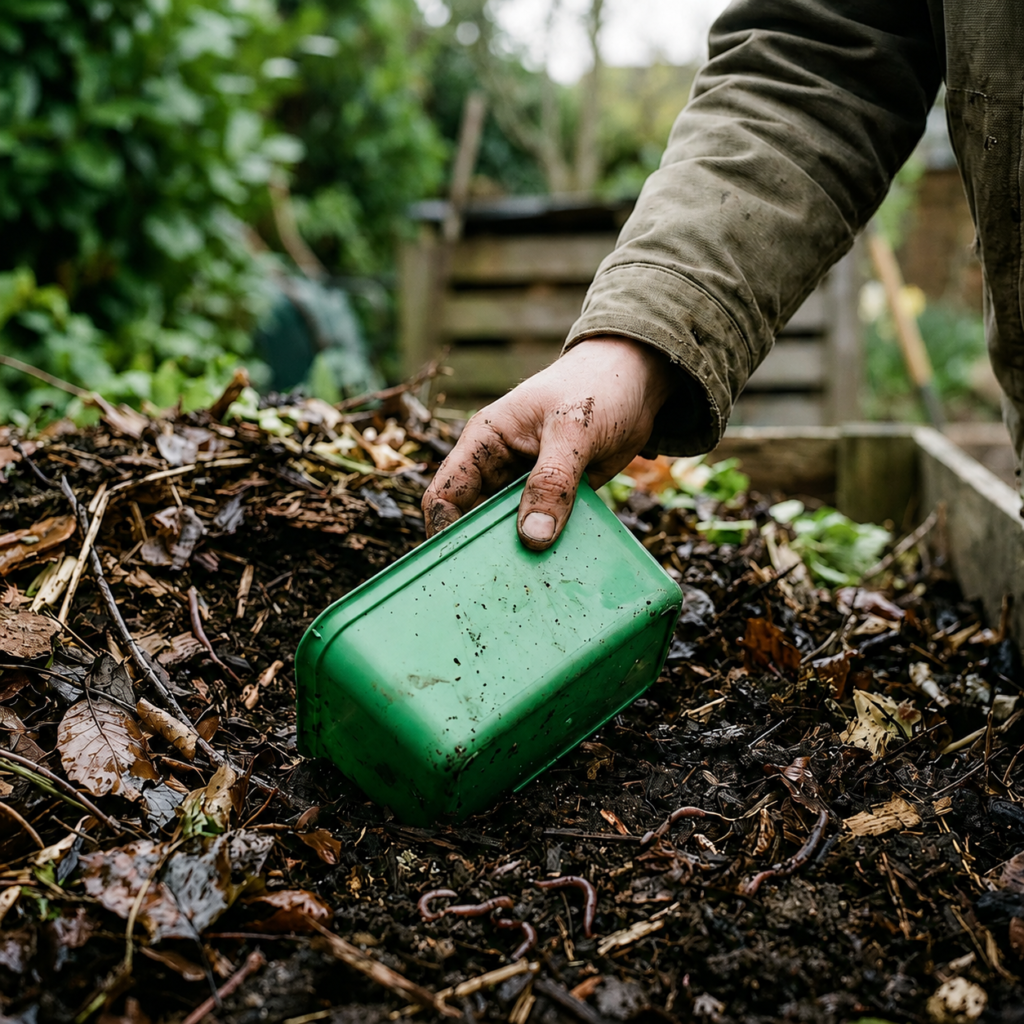
A loop cannot claim to be closed simply because its source of raw material is renewable. It must also have an outlet at its end point. This is where natural plant fibers come into play once more. Since they are cellulose-based and biodegradable, old textiles and bio-composites containing such fibers may be added back to the soil either through composting or as soil amendments. In other words, this is known as “cascading.”
Construction companies are aware of this and are using alternative building material like that of hemp or bamboo fibers to be used instead of steel, glass, and carbon fiber, which makes their product circular in nature.
Friction In-Between
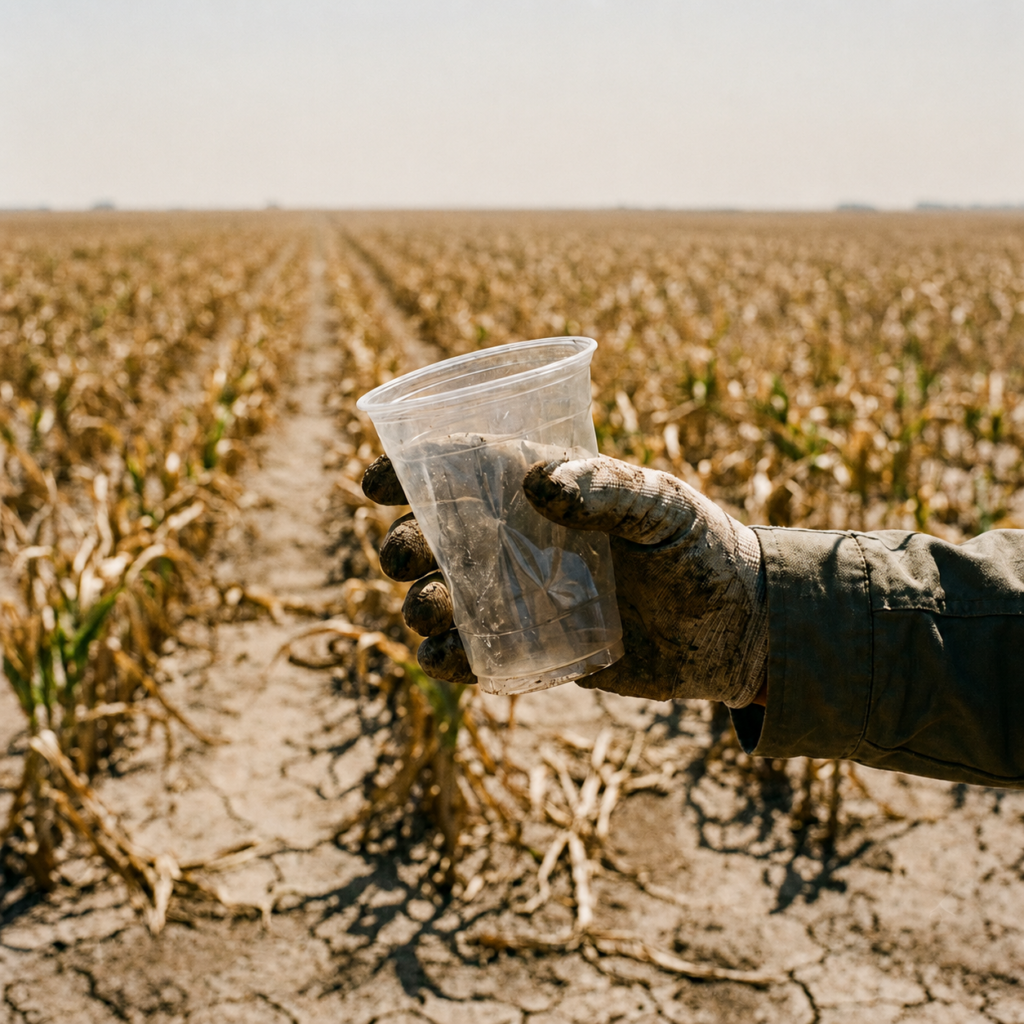
Plant fibers absorb moisture, vary from harvest to harvest, and can be tricky to bond with conventional plastics. Decortication and processing infrastructure is still thin in many regions. And recycling rates for finished textiles remain stubbornly low.
But greener extraction processes, including enzymatic extractions as well as supercritical CO2 methods that enable solvent reduction by an order of magnitude, are becoming more advanced. Moreover, initiatives such as the European Green Deal and India’s focus on circularity will propel them into the limelight.
Frequently Asked Questions
- What does “circular material system” actually mean?
It is a philosophy where the resources are used for the longest possible duration by creating items that can then be reused, recycled, or returned back to nature in a safe manner instead of being disposed of after one usage only.
- Why are plant-based fibers a good fit for circular systems?
These materials are sustainable, biodegradable, and carbon-absorbing as they mature. Also, many of these sources arise from waste produced during agriculture; therefore, this resource serves to solve two problems in one by being both a useful material source and something that is not destined for a landfill.
- Which plant fibers are most commonly used?
Flax, hemp, jute, bamboo, sisal, coir, and more recently, fibers made from waste products, such as the stem sheaths of bananas and leaves of pineapples. Each has different strengths suited to textiles, packaging, or composites.