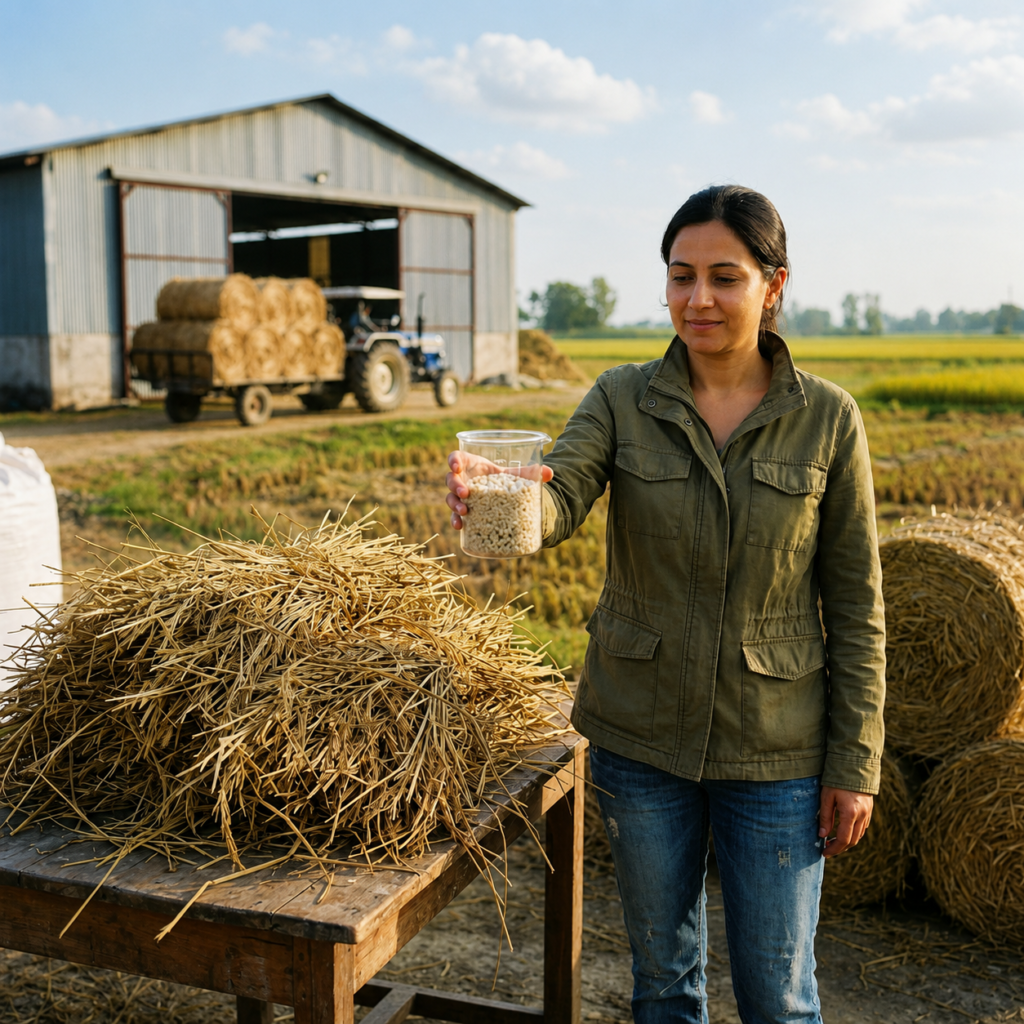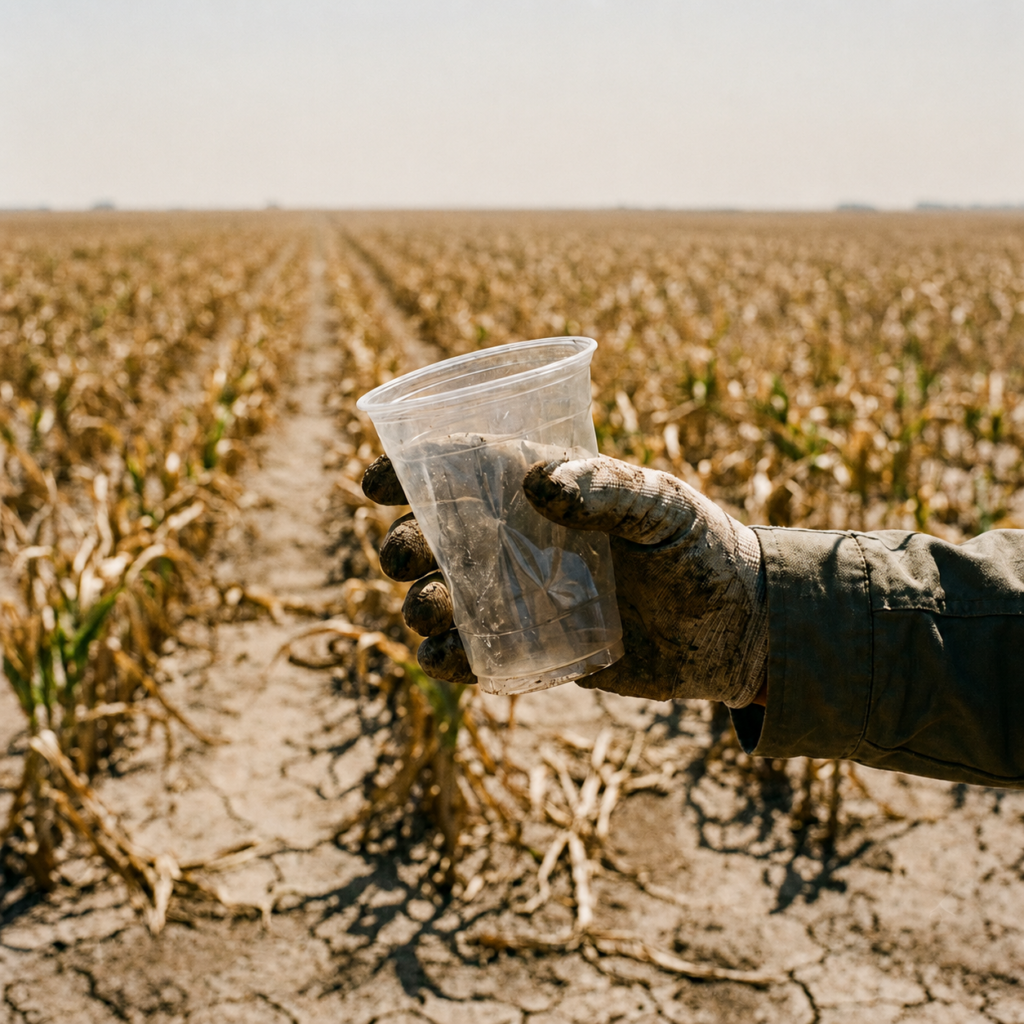
Every November, the air over northern India thickens with smoke. Farmers, racing to clear fields between harvests burn millions of tonnes of leftover paddy straw and a grey haze drifts toward Delhi. For years that straw was treated as worthless waste. Then a young Indian company, Dharaksha Ecosolutions, started doing something unexpected with it. They started feeding it to mushrooms.
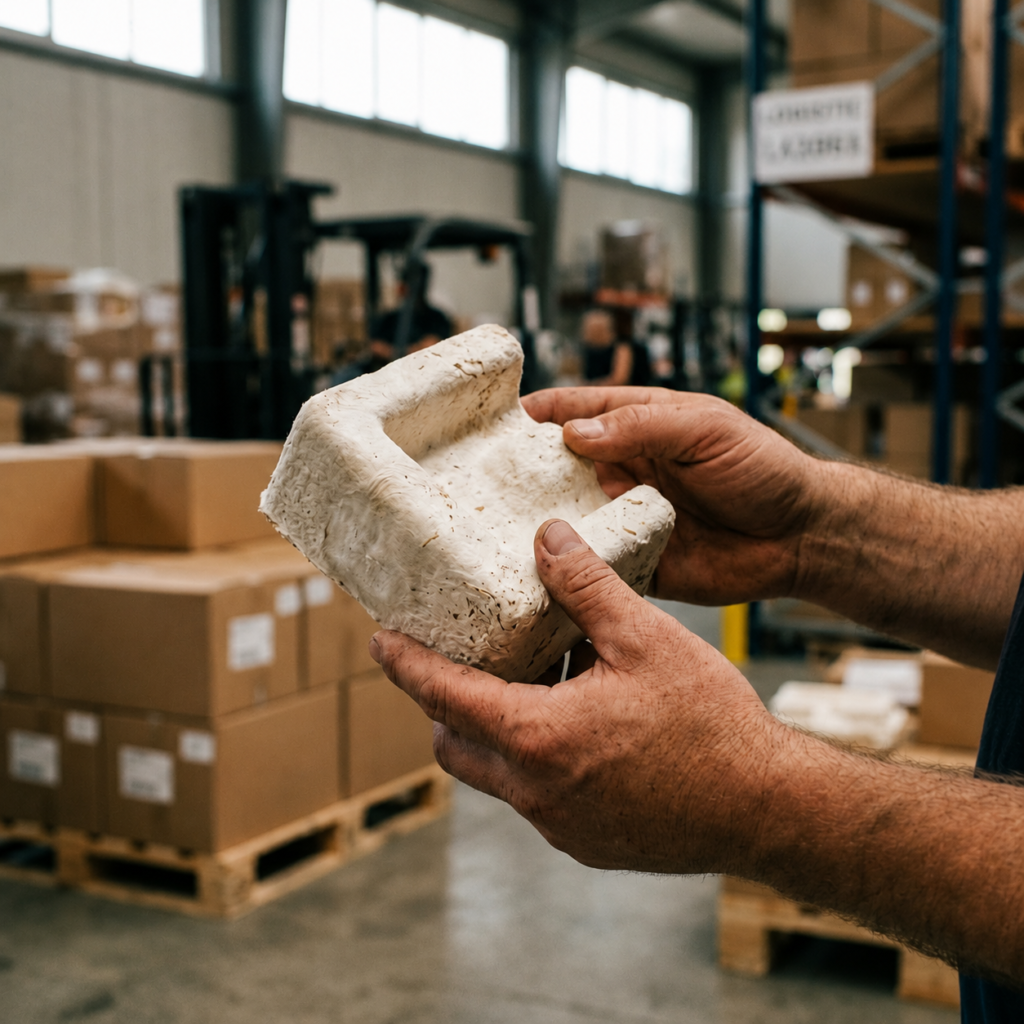
By binding the straw with mycelium which is the root-like network of fungi; Dharaksha grows sturdy, fully compostable packaging in a matter of days. This is how they turned a problem into a product.
Most companies obsess over the emissions that they can see like their factories, their fleets, their offices. But that’s the small part. According to CDP, so-called Scope 3 emissions, those sitting upstream and downstream in the value chain make up an average of around 75% of a company’s total carbon footprint. In retail and consumer goods, that figure can climb past 90%.
In other words, a brand can run its head office on solar power and still be responsible for a mountain of carbon it never directly touches. You cannot credibly claim to be cleaning up if you ignore the very materials flowing through your supply chain.
That realization has turned material choice from a design afterthought into a main strategy.
Extraction To Regeneration
Conventional supply chains are largely linear. You pull fossil resources from the ground, make something out of it and then throw it away. Bio-based innovation rewrites that logic at the initial source. Instead of starting with petroleum, these materials begin with renewable biomass like plant starch, agricultural residue, seaweed, fungi, or microbial fermentation and many are designed to return safely to the earth at the end of their life.
The effect is across the whole chain:
Upstream: Feedstock often comes from waste streams that would otherwise be burned or landfilled, as Dharaksha’s paddy straw shows.
Midstream: Several bio-based materials require less energy to produce and lock carbon into the product itself.
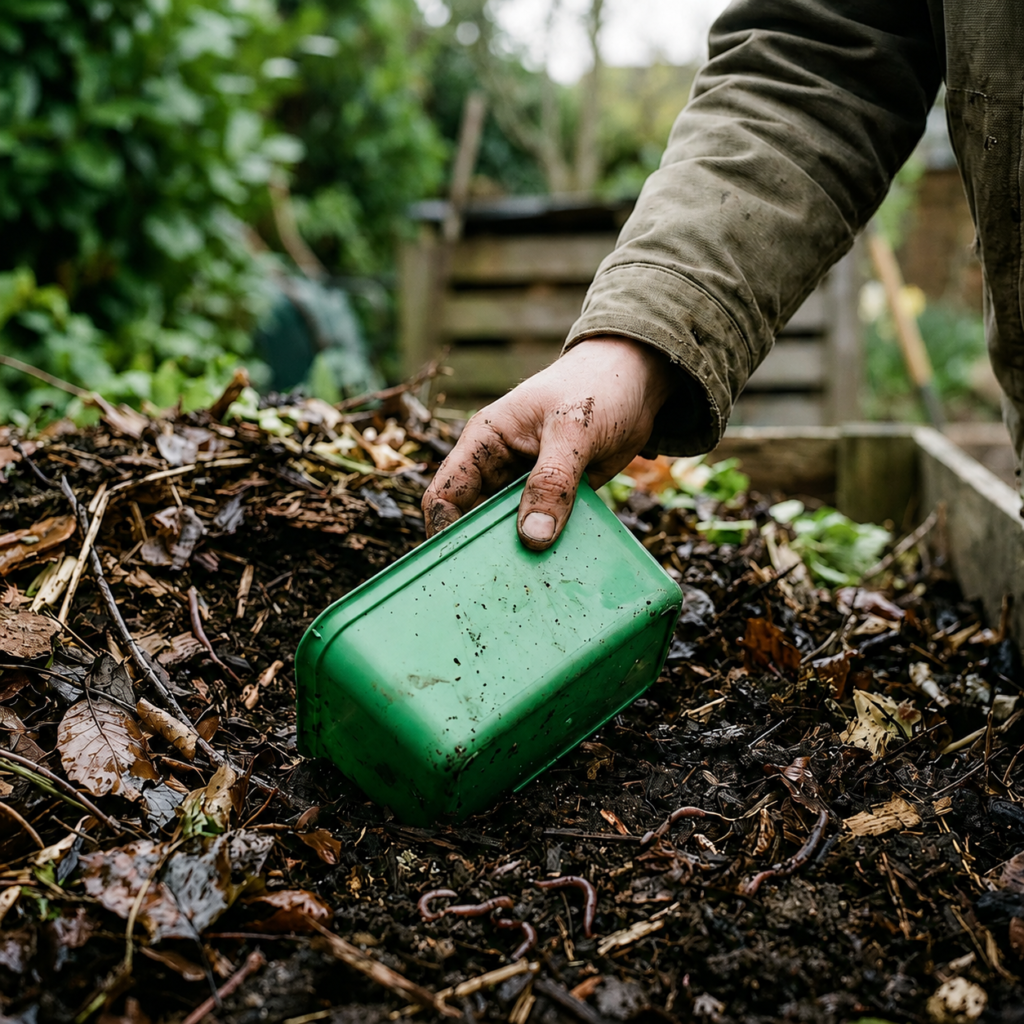
Downstream: Compostable and biodegradable options ease the end-of-life burden that clogs landfills and sheds microplastics.
This Isn’t Theory
Dell began replacing polystyrene foam with mycelium-grown cushions to ship servers more than a decade ago, scaling to thousands of units.
IKEA, which produces hundreds of thousands of tonnes of packaging a year is committed to mushroom-based packaging from New York innovator Ecovative to phase out expanded polystyrene, part of a broader push that made the vast majority of its packaging fibre-based. Mycelium can be molded into almost any protective shape, grows in under a week, and composts in roughly 30 days, versus the centuries polystyrene lingers.
Beyond fungi, seaweed and kelp films that dissolve in water, plant-based PLA and PHA biopolymers replacing rigid plastics, and packaging grown from corn husks and hemp waste.
Regulation and Resilience
Two forces are involved in it.
First is the disclosure rules.
The EU’s Corporate Sustainability Reporting Directive alone is expected to pull tens of thousands of companies into mandatory value-chain reporting, mean Scope 3 emissions can no longer be quietly ignored.
Second is sourcing materials from local agricultural waste rather than globally traded fossil feedstock can make supply chains more resilient to price shocks and disruption.
Frequently asked questions
What is bio-based product innovation?
Bio-based product innovation refers to the creation of new products or materials that are made up fully or partially from sustainable biological resources, such as plant materials, agricultural residues, algae, fungi, or fermentation processes of microbes as opposed to petroleum-based sources. This approach seeks to deliver better sustainability than traditional products.
How does it actually make a supply chain greener?
The emissions reduction is achieved by reducing the emissions precisely from where they are the most difficult to detect. The use of bio-based materials will lead to lesser dependency on fossil fuels, usage of wastes that otherwise contaminate the environment, reduced energy consumption during manufacturing, and easier handling of waste post their useful life cycle.
Are bio-based materials always biodegradable or compostable?
No. “Bio-based” is a reference to the origins of the product material, not whether it decomposes. Bio-based plastics can be durable and recyclable, not just biodegradable. Consumers need to verify certifications for these products because their recyclability does not depend on being derived from renewables.