More than one million plastic bottles is what the entire world is producing every minute. In response to this environmental crisis, researchers have started to develop biopolymers (biological plastic) as an alternative to fossil fuels. However, the science of biopolymers is moving much more quickly than any other industry seems to know.
What Are Biopolymers? A Short Overview
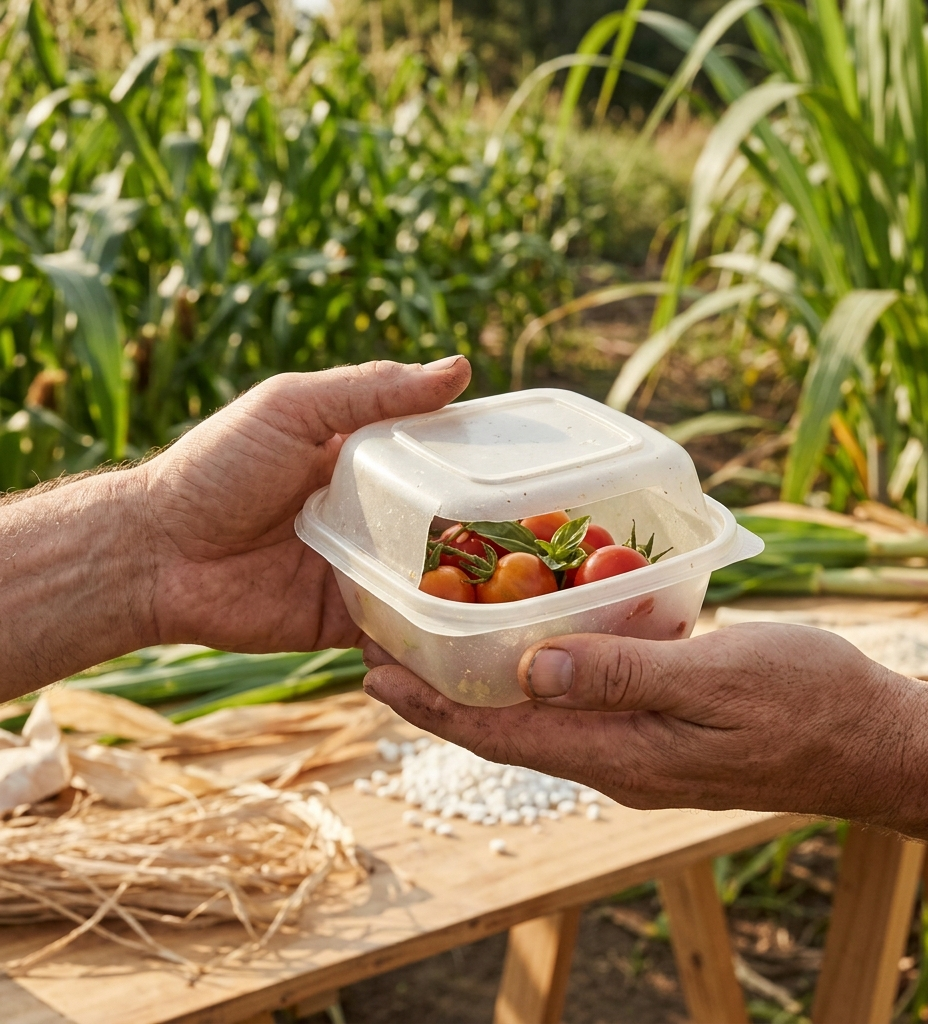
Biopolymers are polymers that are produced by nature through living organisms, such as bacteria, corn starches, and sugarcane; instead of using an inorganic petrochemical process, biopolymers are designed with a “biodegradable” material that will break down at the end of their useful life and, therefore, leave a much smaller carbon footprint than conventional fossil fuel-based materials.
The 3 Most Common Biopolymers Used in Packaging:
- PLA (Polylactic Acid): derived from fermented plant starch; widely used in food containers and films
- PHA (Polyhydroxyalkanoates): produced by microbial fermentation; marine-biodegradable
- TPS (Thermoplastic Starch): low-cost, highly compostable; used in bags and films
Market Growth: Why Biopolymers Are Gaining Ground?
Global biopolymer market by 2030: $27B+
Projected CAGR (2024–2030): 14.5%
Of packaging brands with 2025 sustainability targets: 40%
This transition is being aided by a force of regulation. Structural demand is being created by the EU’s Directive on Single-Use Plastics, the expansion of India’s plastic ban to larger states, as well as by growing requirements from companies for ESG compliance. Some of the largest fast-moving consumer goods firms (i.e., Unilever and Nestlé) have made public commitments to move to recyclable or compostable packaging and biopolymers are a key element of their roadmaps.
Key Benefits of Biopolymers in Sustainable Packaging
Reduced carbon footprint
When producing PLA, 80% fewer greenhouse gases are emitted from production than traditional polyethylene when following parametric studies done in journal publications such as the Journal of Cleaner Production. This is a significant benefit to brands who are tracking their Scope 3 Greenhouse gas foot print due to this significant impact on the brand’s supply chain and overall impact on the environment.
Biodegradability under controlled conditions
PHA is one of the few bioplastic materials that will completely degrade in ocean currents. This makes it an important factor in combating ocean material pollution that is ongoing. Studies show that within 3 months to 6 months, materials made out of PHA that have been submerged in salt water (seawater) will decompose into both water and CO2 as long as the water is in compliance with standard testing practices and methods under controlled conditions.
Functional performance parity
Early biopolymers suffered from poor moisture resistance and brittleness. Modern PLA blends and PHA composites now offer:
- Comparable tensile strength to PET in thin-film applications
- Improved barrier properties through nano-clay or PBAT blending
- Heat resistance up to 140°C in crystallized PLA grades
Challenges Holding Back Biopolymer Adoption
Transition involves overcoming substantial barriers such as:
Cost difference: PHA is significantly more expensive than polyethylene, currently costing anywhere from 3-5 times more per kilogram; therefore, scaling fermentation capacity will be critical to closing this gap.
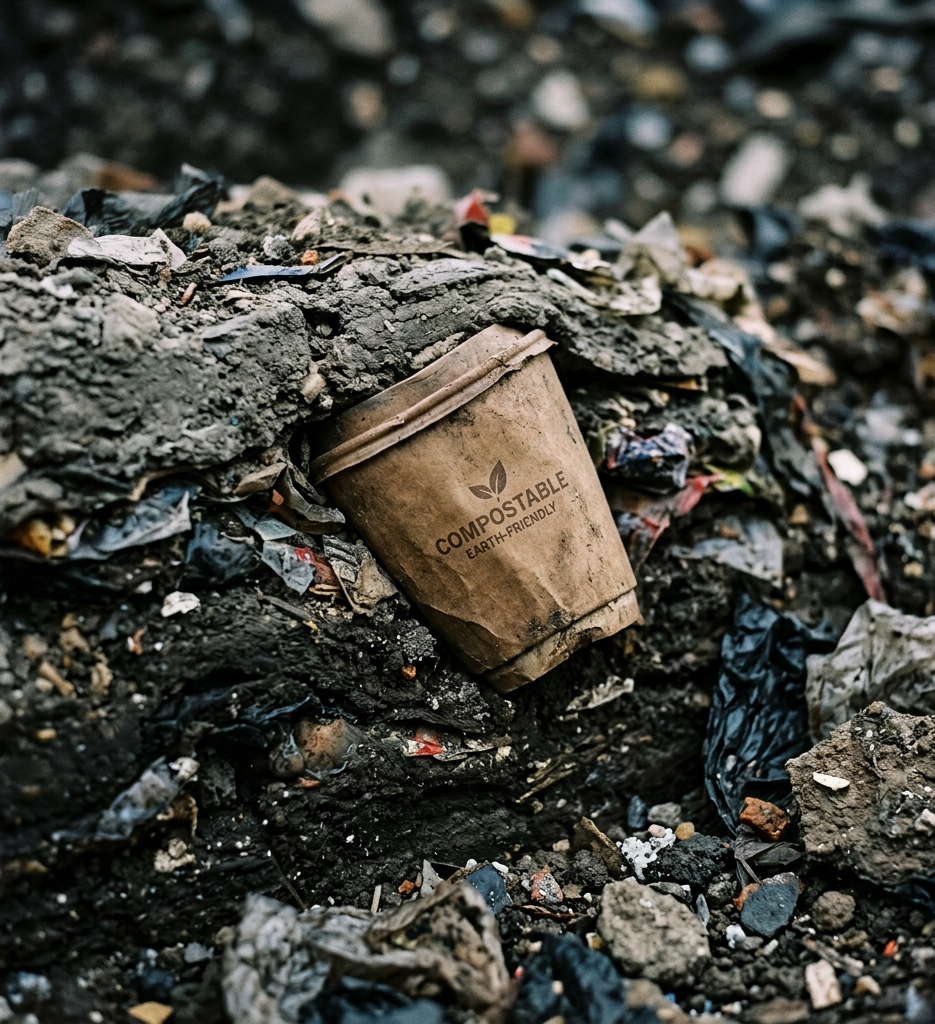
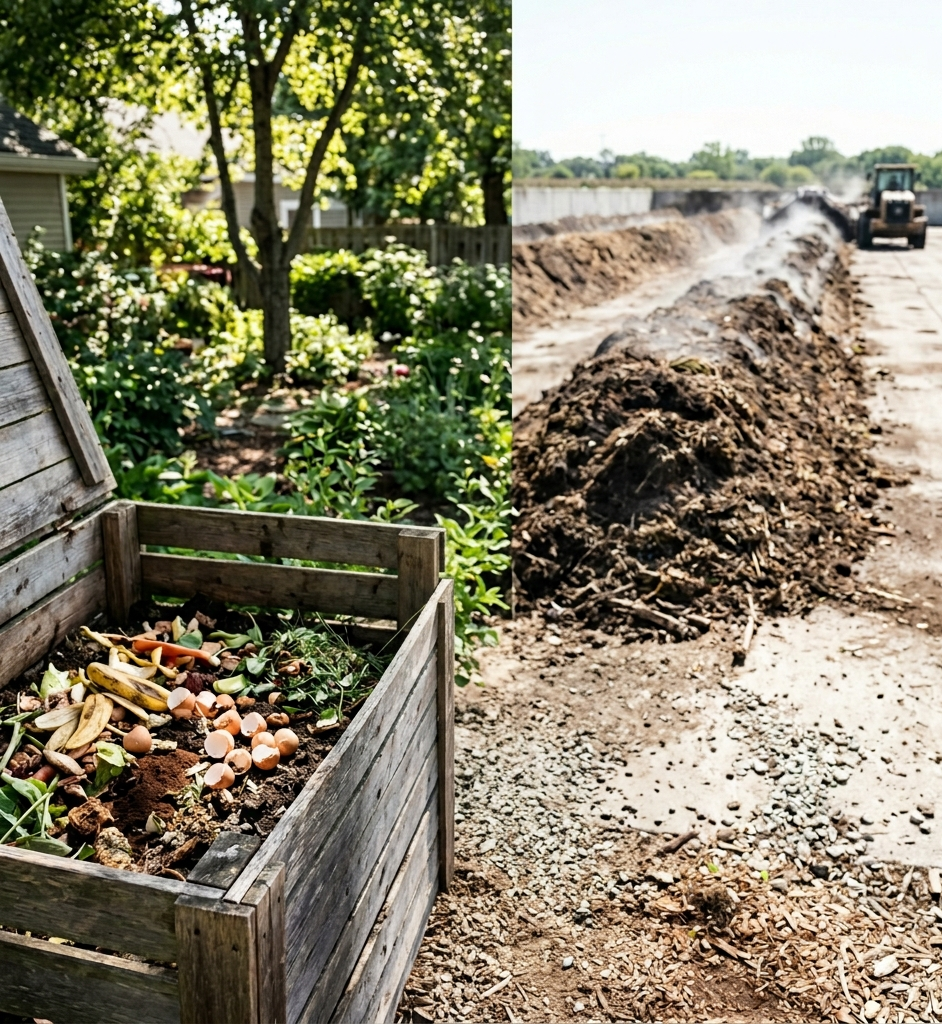
Industrial composting: Most PLA will only bio-degrade in an industrial composting facility; the majority does not bio-degrade in residential composters or landfills, as many green washing statements lead consumers to believe.
Infrastructure mismatch: Currently there are no recycling streams available for biopolymers that allow for their removal from conventional plastic, thus creating a high level of contamination risk.
Industry insight:
Companies that clearly communicate “industrially compostable” vs “home compostable” on packaging are seeing higher consumer trust scores transparency outperforms vague green claims.
Real-World Applications Driving Innovation
Nowadays, biopolymers can be found everywhere in everyday environments, rather than limited to research laboratories, according to industry insiders. Biobased products are having the greatest measurable effect today in:
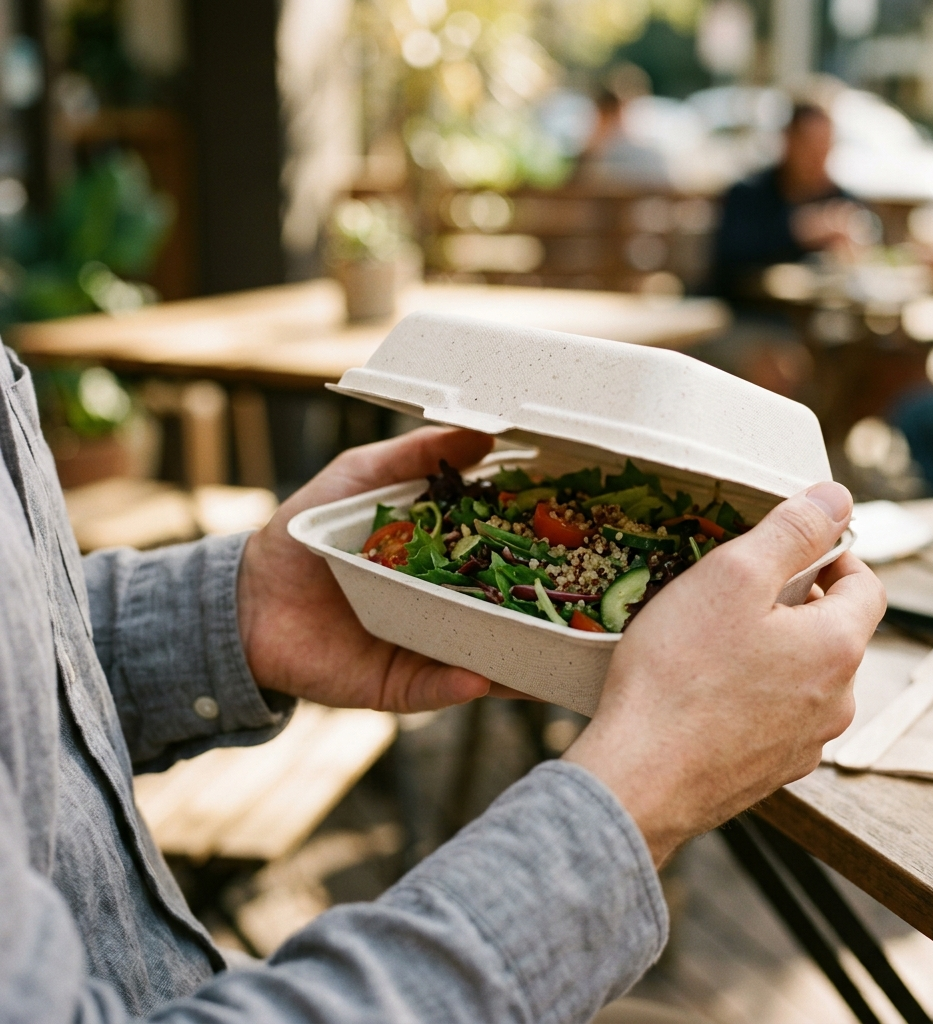
- Food service packaging: PLA food service cups, clamshells, and cutlery have become widely accepted in airports and QSR chains throughout the European Union.
- Agricultural films: TPS-based biodegradable mulch films replacing LDPE offer significant environmental benefits in the European marketplace.
- Cosmetics & pharmaceuticals: PHA-based single-dose sachets and blisters are being utilized for packaging of consumer products.
- E-commerce void fill: Starch-based void fills are being adopted as an environmentally friendly replacement for expanded polystyrene (EPS) in premium brands’ shipping materials.
Frequently Asked Questions
- Q) Are biopolymers actually better for the environment than plastic?
Biodegradable materials will decompose through natural processes, but they do not have a defined time frame or environment in which they will do so. Compostable materials, on the other hand, must break down within 90 days (at a temperature of 120 degrees Fahrenheit) and leave no harmful by-products behind after being composted. In order to be compostable, you will want to look for either the EN 13432 or ASTM D6400 certifications.
- Q) What is the difference between biodegradable and compostable packaging?
Biodegradable refers to the ability of a product to decompose naturally. However, this does not establish a specific timeframe or requirements necessary to achieve decomposition. Compostable refers to a greater level of decomposition; a compostable product will decompose completely within 90 days (in a composting environment) with no harmful residual material remaining. Products that are compostable will have either the EN 13432 or ASTM D6400 Specification for compostable materials as part of the certification process.
- Q) Which biopolymer is best for food packaging?
PLA is most widely used due to cost and scalability. For applications requiring high moisture resistance or marine biodegradability, PHA is the stronger choice despite higher cost. TPS blends are preferred for low-barrier, low-cost applications like bags and wraps.
The Road Ahead for Biopolymer Packaging
The upcoming five years for biopolymer packaging will be shaped by three converging factors; tighter regulations, improved cost curves for PHA fermentation, and consumer demand for independently verified sustainable options from brands who build their biopolymer expertise today (in material science and supply chain) will be better positioned relative to competitors who wait until technology has fully matured.
Although there are no perfect solutions, biopolymers are one of the most credible and scalable means to address the environmental burden created by the packaging industry, with an increasing amount of science supporting this belief.