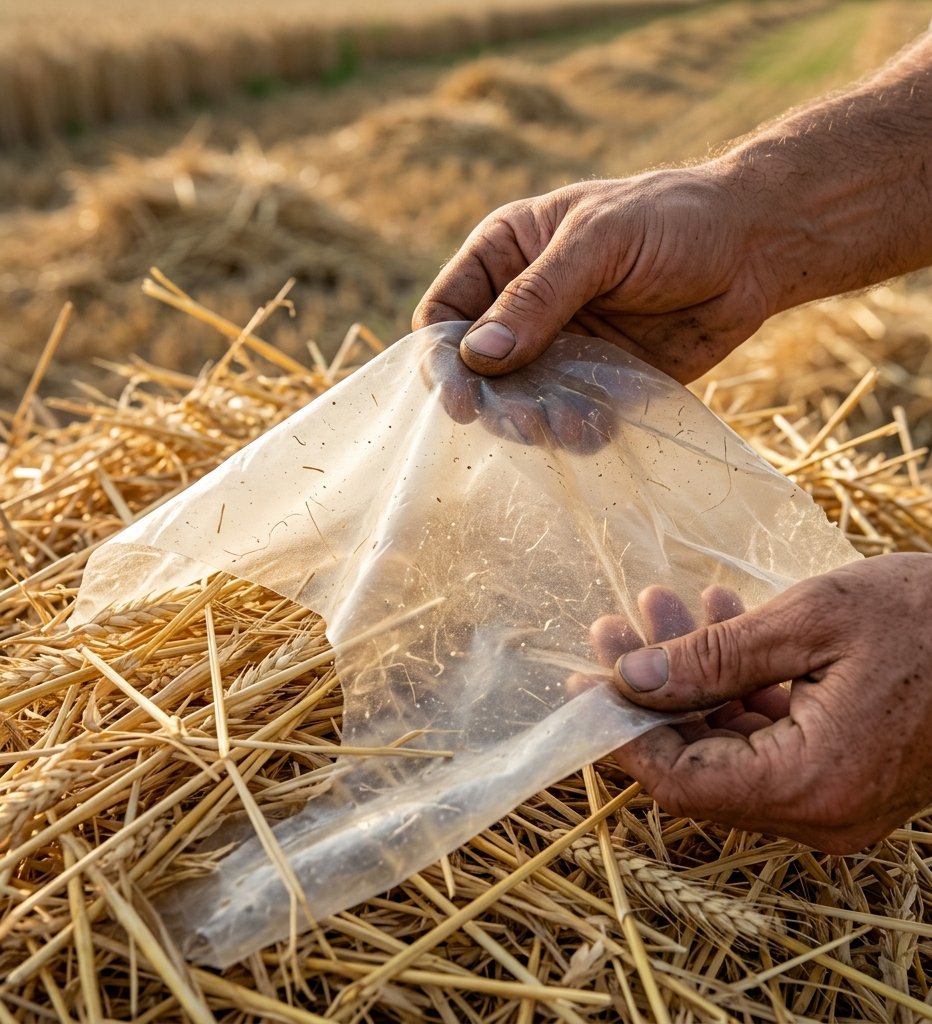
For instance, consider yourself a farmer in Punjab with the harvest of grains complete and the golden heaps of straw remaining in your field. Historically, the only known way to dispose of such wastage was to set fire to it. The smokes from the burning straw would drift over to Delhi, contributing to its air pollution problem. Nobody cared. Waste and toxic, setting fire to the straw had always been the norm.
Alternatively, the same straw is collected and converted to films in factories, which may be used as packaging materials for your groceries. The film produced from the straw is tough enough to wrap around your grocery purchase, translucent enough for you to see the contents of your groceries before purchasing, and biodegradable within a couple of months in the soil. It sounds too good to be true, but it is not. It will happen by 2025.
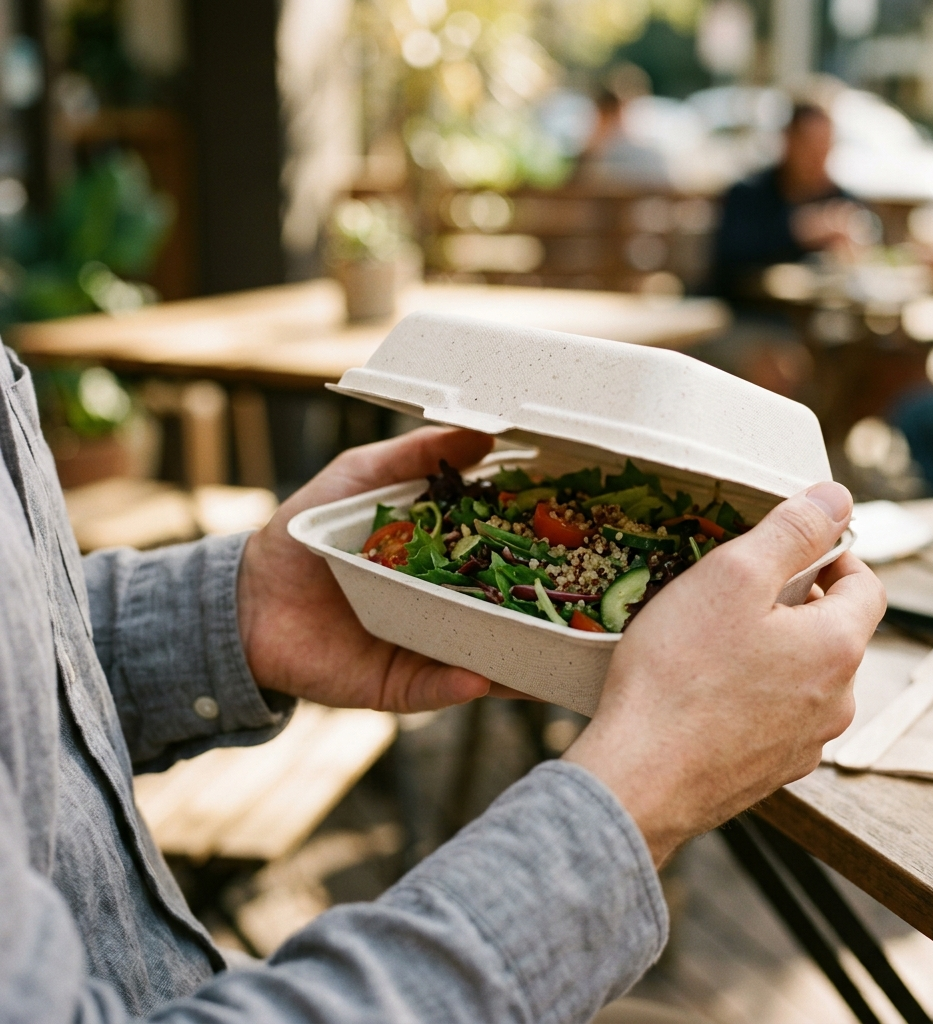
So, the race is certainly on to eliminate plastic packaging, and agricultural waste has quietly become one of the top alternatives to plastic packaging. The technology and science are rapidly advancing, and the results are going to be amazing!
144 Mt: Global packaging demand per year over 90% still plastic
998M: Tons of agricultural waste generated globally every year
17 Days: For grapevine cellulose films to fully biodegrade in soil
The Problem Nobody Could Ignore Anymore
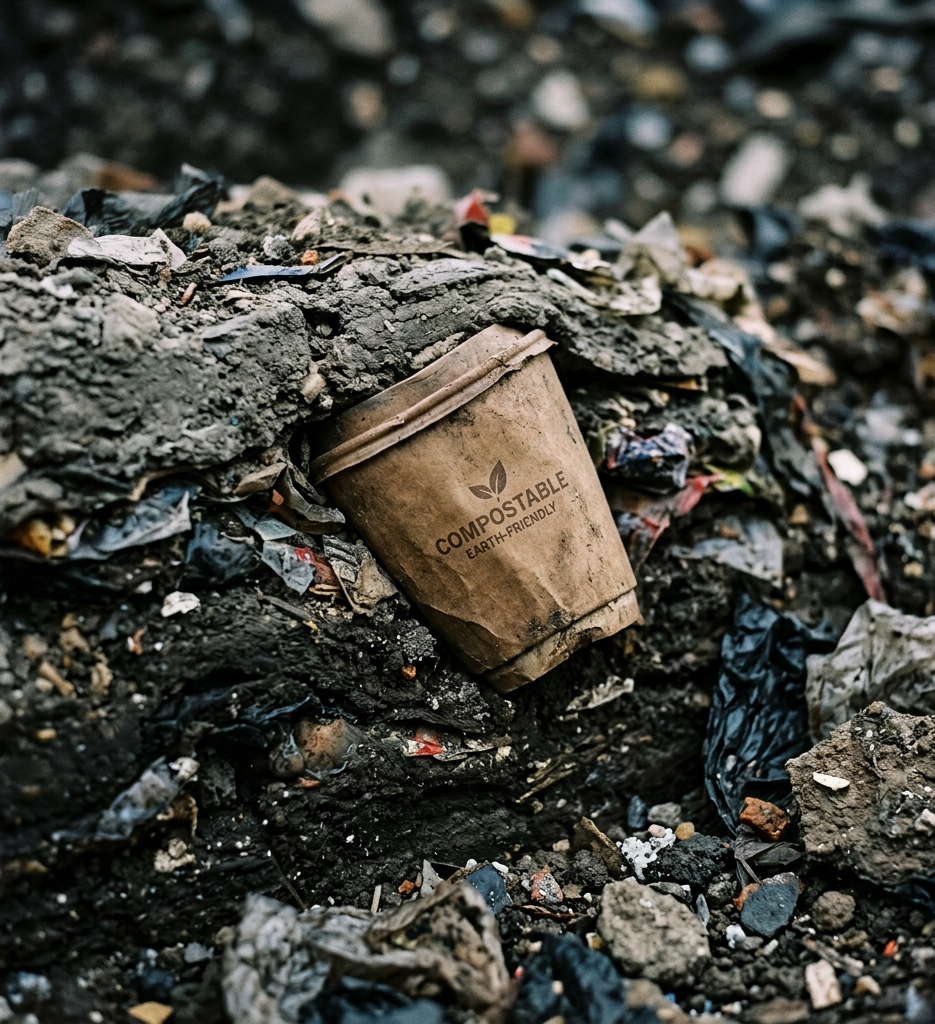
To put it bluntly, our current situation is very bleak. More than one hundred billion tons of plastic packaging waste are produced annually, which leads to more than 1.8 billion tons of emissions of carbon dioxide equivalents produced from this waste each year. Only 9 per cent of all plastics produced have been recycled, while the remaining majority end up in landfills, oceans and ultimately inside people as ingested microplastics result in documented inflammatory responses in humans due to the average person’s diet containing over 50,000 microplastics annually.
“Repurposing just 1 million tons of rice straw into packaging materials can avoid 2,500 tons of CO₂-equivalent emissions from open burning every single year.”
The EU was the first to feel the need for urgency. As part of Directive 2019/904, they require a 50% cut in particular single use plastic articles by 2025; this resulted in about a 20% rise in capacity for global bioplastic manufacturing annually. Regulatory entities are applying pressure, consumers are requesting, and scientists have been methodically constructing the alternative as it relates to the earth and how it was created.
What Farmers Throw Away, Scientists Are Fighting Over
What most people don’t know, is how chemically rich agricultural remnants really are. Things like rice husks, wheat straw, corn stalks, fruit peels, sugarcane bagasse all contain high levels of cellulose, hemicellulose, lignin and pectin. These natural structural polymers can be extracted & formed into film, fiber, and composites that can have the same properties as traditional plastics.
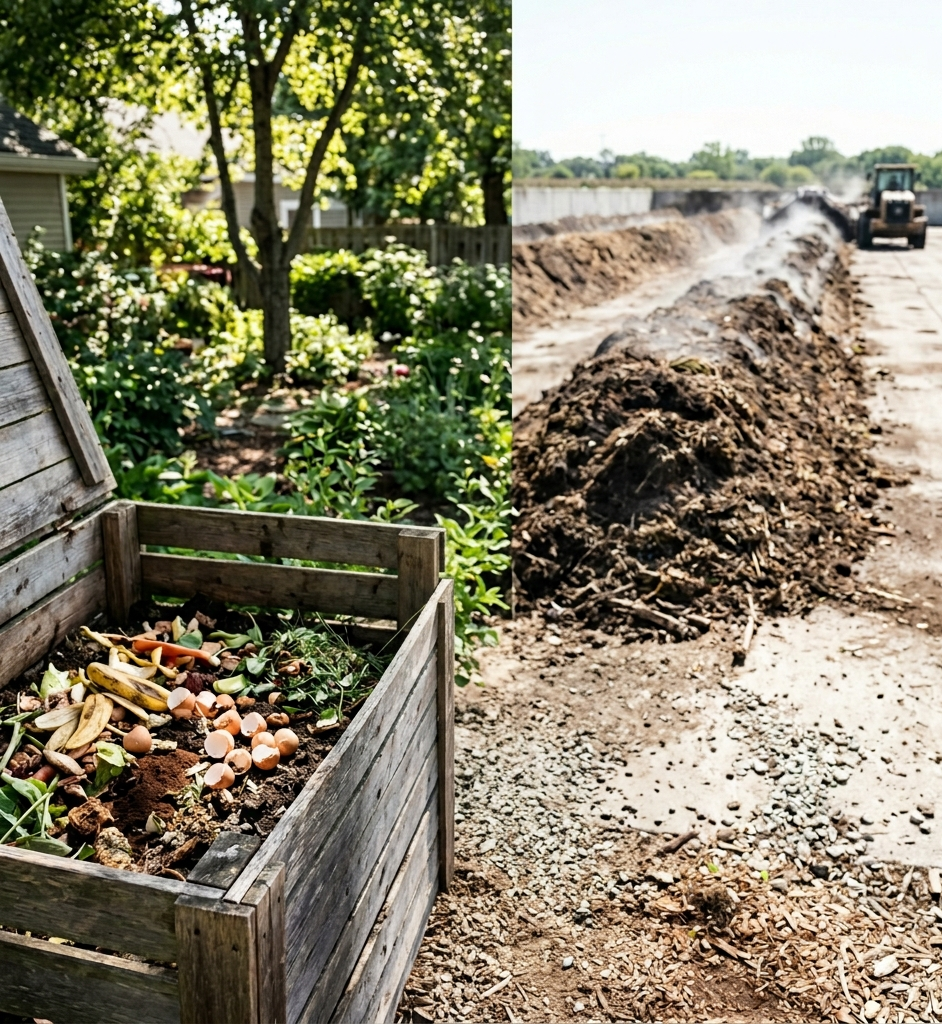
One of the most exciting breakthroughs for 2025 occurred at South Dakota State University due to the ability of researchers to extract cellulose from left over grapevine canes (the limbs that are pruned off of the vine after grapes are harvested) and develop a clear film with a tensile strength of 18.20 MPa. Unlike traditional plastic bags, which can take 1,000 years to bio-degrade, the grapevine film completely biodegrades within 17 days when placed in the soil with no residual contamination.
Mango peels can be made into highly effective anti-oxidative food packaging materials and compostable films. Previously discarded, these peels can help prevent food oxidation and ultimately work to help extend the shelf life of the food product(s).
Fruit peels are an example of endless possibilities. Research was published on the use of processed mixed fruit peel waste to create biodegradable, antimicrobial bioplastics that could extend the shelf life of perishable fruit. This new bioplastic was able to use the natural antioxidant content from fruit peels. In another study published in late 2024, peel extracts were demonstrated to impart some form of antibacterial properties into the films made from the mixed fruit peel waste. Therefore, your packaging can protect your food.
The Science Under the Soil
The performance data for these materials indicate they could be valuable not just feel-good materials. Overall, 30–50% of food waste contains cellulose, which is considered to be one of the most exciting biopolymers available for packaging because of its excellent mechanical properties, thermal stability, and transparency. When scientists added 7% of oxidized nanocellulose to poly(vinyl alcohol) as a reinforcement agent, they increased the tensile strength by over 90% and decreased water vapor transmission by approximately 50%, which were historically the two largest deficiencies of biobased packs.
The agricultural industry produces PHAs (polyhydroxyalkanoates) and PLAs (polylactic acids) using agricultural waste carbon as a feedstock via microbial fermentation. These materials possess flexibility, toughness, and thermal properties that are well suited for food packaging, and they are both completely biodegradable. Countries are now taking notice of these developments; for example, the Thai government has released a National Roadmap for the Development of the Bioplastics Industry, which recognizes bioplastics as a key strategic sustainability industry.
The Challenges We Can’t Ignore
This issue is unsolved, and it must be acknowledged. Agricultural waste has different compositions depending on where you’re located, what crop was harvested, and at what time of year the crops are grown. Most of the extraction processes require several steps to be completed and a significant amount of energy to complete them. Many biodegradable materials still don’t possess the same properties as conventional plastic when it comes to their moisture-resistant capability.
The human part of this equation creates a significant barrier to consumer acceptance. For consumers to accept the idea of purchasing food items packaged in something made from agricultural waste (regardless of scientific validity), they must build trust and agree on facts about both agricultural waste and the resulting materials. Compared to the grocery shelf, scaling production from laboratories presents significant financial, regulatory, and cooperative challenges that have yet to be overcome on the same level.
Nonetheless, there are no doubts about the momentum that has been built to date. Research has continued to grow at an extraordinary rate. Regulations continue to tighten. And agricultural waste (straw, husks, peels and canes) can be found abundantly in many fields and are routinely burned today.
Thus, the next time you purchase something packaged with plastic, remember this fact that you can almost certainly find the components of the alternative products, made of agricultural waste, currently being harvested in millions of acres of farmland today.
Therefore, the only question left regarding whether / not you can create packaging using agricultural waste is how long will it take to get there and how quickly we can accelerate that transition?
Frequently Asked Questions
- Q) Is agricultural waste packaging actually strong enough to replace plastic?
Yes, it is getting there. Research has shown that grapevine cane cellulose films are capable of achieving tensile strengths of 15-18 MPa, which is comparable with many conventional polyethylenes. If you then reinforce this material with nanocellulose, you will increase this strength by 90% plus. However, many applications to use them still continue to refine and most challenging are those with high moist content.
- Q) What is the time taken by such bio-packages to decompose?
It depends upon the kind of material and their environment, but the decomposition process of these bio-materials is much faster than plastic. For instance, films made of cellulose of grapevine would degrade in soil within 17 days. Furthermore, the different types of bioplastics that are made from starch and cellulose would degrade in weeks or months, while plastics need many years.
- Q) Which agricultural wastes show the most promise for packaging?
Research into agricultural waste materials that have potential for food packaging materials is focused on those listed in this article; rice husks, wheat straw, corn cobs, sugarcane bagasse, various fruit skins, especially mango and citrus, apple pomace, and grapevine canes are among the most promising. Each type has its own unique chemical profile, with some containing a high amount of cellulose, making them suitable as a basis for structure and function of film, while others have higher levels of pectin or polyphenolic compounds, which are useful for coatings with bioactive and antimicrobial properties.
- Q) Will this kind of packaging be safe for food contact?
Is this type of packaging safe for use with food? In addition to being food-safe in general, many of the above materials also contain naturally occurring antimicrobials, and antioxidant properties found in films made from fruit skins can increase the shelf life of foods packaged with them. However, the path toward regulatory approval will vary depending on the country, and the certification of packaging materials for large-scale food contact is still an ongoing endeavor with an extensive testing procedure.
- Q) When will we see this packaging on supermarket shelves?
Some bioplastic packaging is already commercially available in Europe and Asia. However, agricultural waste-derived packaging at mass scale is still 3–7 years from widespread adoption, depending on the market. EU mandates requiring 50% reduction in single-use plastics by 2025 are accelerating industry timelines significantly, and the next decade is expected to see rapid commercialization.