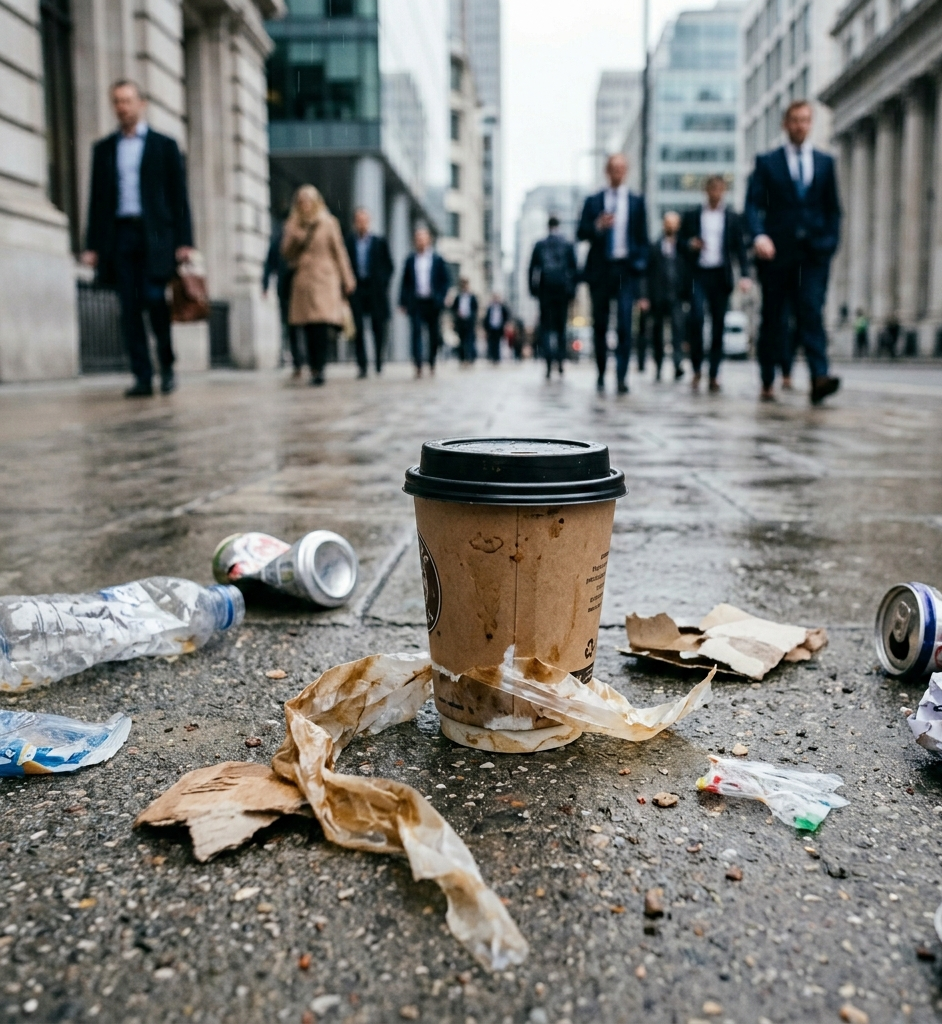
Across all major global innovation hubs, such as Singapore and London, the image of the morning commuter with their disposable coffee cup is all too familiar. This represents a small amount of time spent choosing a container that will only be used for about 15 minutes. However, when that single-use cup is seen in the context of the Circular Economy’s “True Second Wave,” it is an example of a larger worldwide problem.
In 2026, with data indicating this issue will only become worse, we know that the total amount of municipal solid waste will be 2.1 billion tons according to United Nations Environment Program (UNEP). By 2050, that number will increase to 3.8 billion tons; In addition, included in all this waste is the disposable coffee cup, which portray the linear “take-make-dispose” economy but represent a failure in design.
The Anatomy of a Design Flaw
The complexity of your disposable cup means that its value goes beyond just its volume. Most consumers assume that paper cups are biodegradable; however, the industry that utilises disposable cups finds it challenging to close the loop, as these cups are constructed with two different materials (polyethylene & paper).
Infrastructure Gaps: As the paper liner is fused to the polyethylene liner, the cup cannot be processed at traditional paper recycling facilities. The difficulty in processing these cups creates a nightmare as the machinery is damaged from being gum up, resulting in large quantities of quality paper being diverted to landfills.
Contamination Factor: Even if disposable cups are recyclable, they have contaminants (coffee and lid residue) that hinder recycling. In the EU, 44% of waste was recycled last year, with food-soiled paper the primary reason for missing the 60% recycling goal for 2030.
Resource Intensity: Billions of disposable cups are produced annually from using virgin wood fibres and petrochemicals. If the industry utilised a percentage of Recycled PET (rPET) or recycled paper fibre instead of virgin materials, it would reduce CO2 emissions by 79%. However, the majority of disposable cups produced remain reliant on virgin resource extraction.
The True Cost: Health and Environment
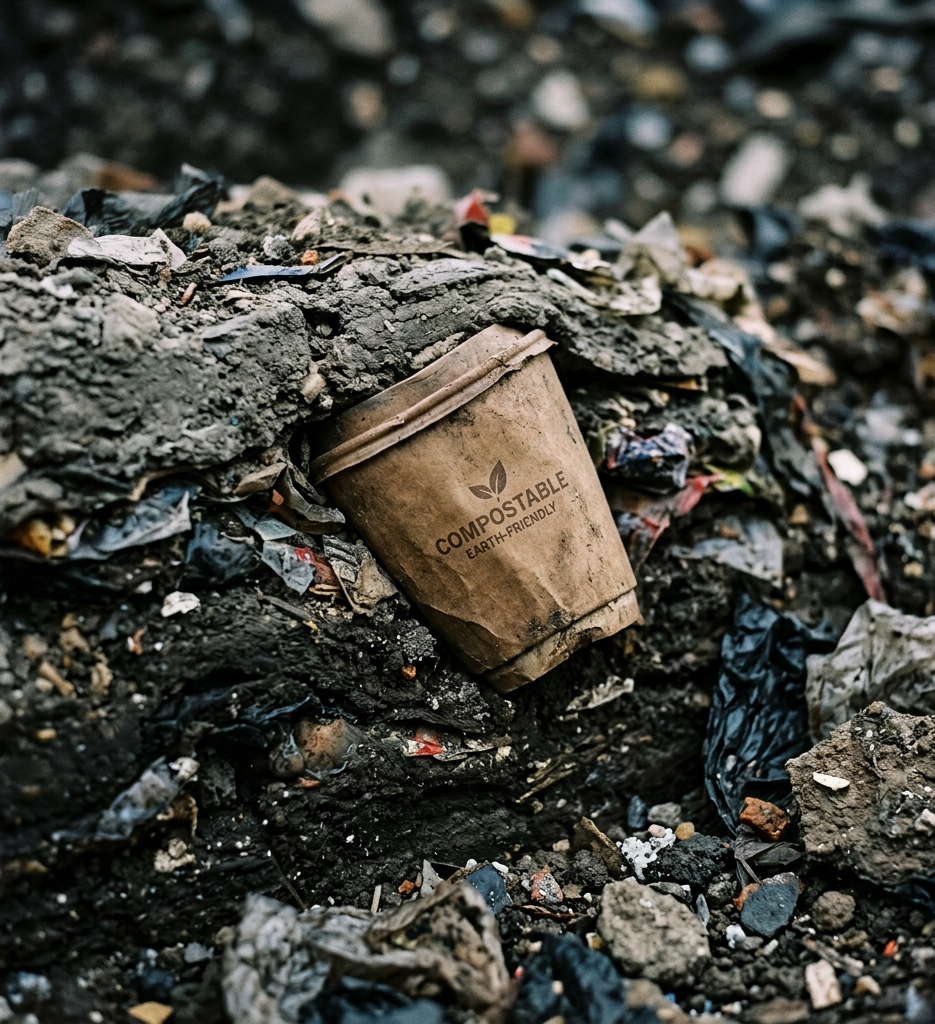
The consequences of the cup represent serious complications for the environment that go beyond simply getting thrown into a landfill. The breakdown of these materials comes with the addition of contaminants (such as cadmium, arsenic, and other endocrine disruptors) into our ecosystems. This has caused an increased risk of documented health issues (including cognitive impairment and reproductive problems).
Additionally, the “microplastic” shedding from the inner lining of the hot beverage cup results in you not only drinking coffee but also passing thousands of plastic particles through your body as well. A circular economy means using materials at their greatest value, making it impossible for a cup that leaks chemicals and stays in a landfill for decades or more to add any value whatsoever.
Closing the Loop: The Waste-to-Resource Shift
The bright side of what is happening with Waste-to-Resource technology is that it is disruptive to all forms of “disposable” products. Businesses in the food service industry are beginning to realize the potential net benefit by creating a closed loop for food service packaging from an estimated USD 108.5 billion in circular economy value.
In this way, the humble cup is also being transformed in the following ways:
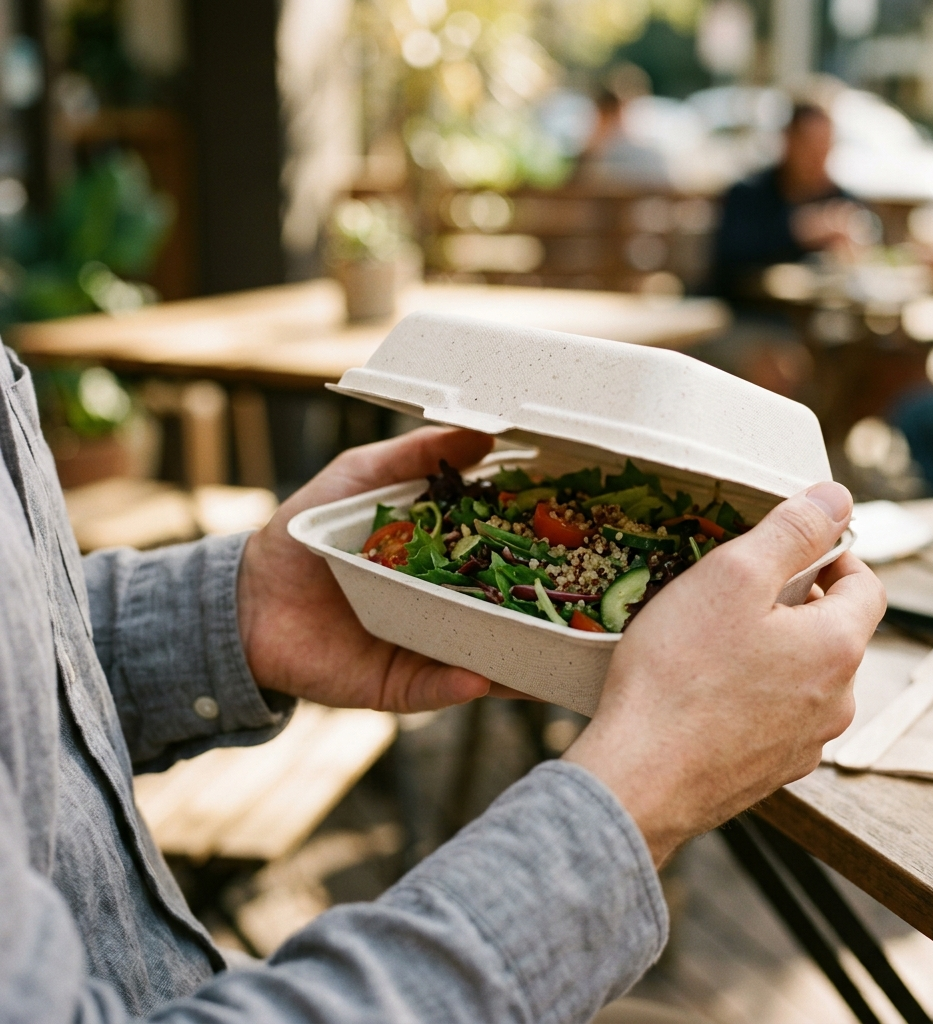
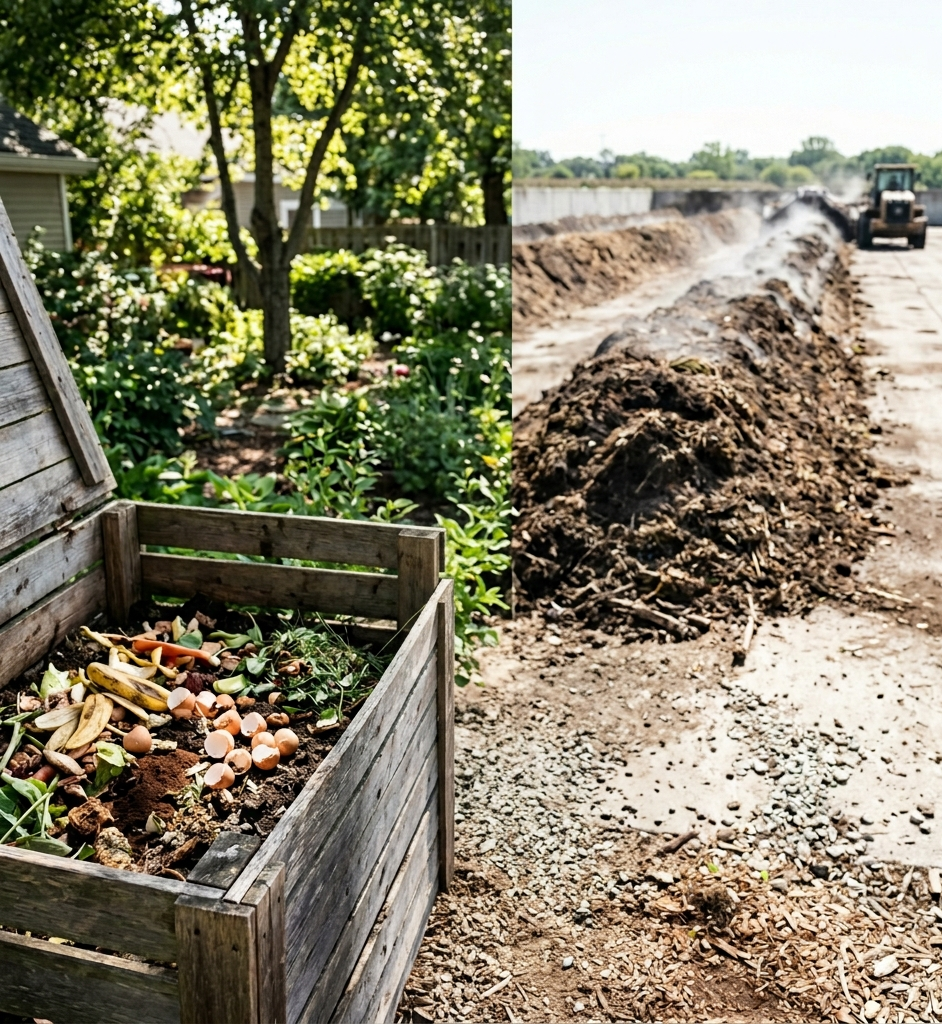
Circular Product Design: Major manufacturers are moving to single materials in their construction (e.g., 100% compostable bio-polymers such as polyhydroxyalkanoic acid or water-based coatings). This means that when the cup is composted (away from the customer), it can be done at an industrial-compliant site in conjunction with other food waste.
Advanced Material Recovery: In member countries of the Organisation for Economic Co-operation and Development (OECD), where waste collections and recycling rates exceed 96%, artificial intelligence sorting facilities will soon be capable of identifying and sorting “smart” packaging products so that even when a cup enters the waste stream, the fibers can be recovered and reused.
Product as a Service (Reusable Loops): The best circular system is not a better disposable cup, but rather, there are no disposable cups at all. New York and Berlin are cities with startups that have implemented “Deposit Return Systems” for reusable cups (whereby customers can pay a deposit of a dollar and return the cup to participating cafes). The cafes clean and re-circulate the cup.
Regulatory Drivers: The End of the “Free” Cup
If regulators don’t see a need to change their policies or to regulate what they do, they will act out of concern for the environment instead. With the new EU legislation regarding Packaging and Packaging Waste (PPWR), as well as in connection with various “Right to Repair” and “Ecodesign” requirements, the time for consumers to demand that all single-use products must be recyclable will soon pass.
When Producer’s Responsibility (PR) laws are enforced, manufacturers will be responsible for both the financial and legal aspects of handling their packaging as it ages and reaches the end of its useful life.
Regarding the Corporate Social Responsibility Directive (CSRD), very large corporations must now report to the EU on their “Material Circularity Rate.” For example, if the company that provides disposable cups to its employees daily were to report their contribution as an incurred liability on their sustainability balance sheet, the amount would be high enough to prompt them to rethink providing disposable cups to their employees altogether.
How Organizations Can Lead the Change?
As an executive within your organization, there is one very simple way to start your Circular Implementation Plan and that is by evaluating the use of “cups” in the breakroom.
- Step 1: The Audit
An audit of the quantity of cups being consumed. How many are received at your facility? Where do they go?
- Step 2: Switch to Compostable
If there are no reusable options, utilize certified “compostable” cups, such as those that meet EN 13432 (European Standard for Packaging). Provide organic waste containers in the breakroom for disposal.
- Step 3: Measure Progress
It is tracking and monitoring the “Percentage of Waste Diverted from Landfill” as one of your KPI’s (key performance indicators). Remember that for every ton of waste diverted from a landfill, you can help contribute to an estimated USD 108.5 billion in total global net gains associated with resource efficiency by 2050.
Conclusion: Your Choice is the Catalyst
By choosing to use disposable cups instead of reusable cups for coffee, you’re sending a message that your organization is committed to a regenerative system. The decision to “close the loop” with disposable cups whether it be through using better materials or implementing a reusable system means that you’re helping to spur this second wave of the circular economy. The first part of the message is clear: reduced waste, reduced cost and a healthier planet.
FAQ: The Impact of Disposable Cups
Q: Can’t I just put my paper coffee cup in the paper recycling bin?
No. In most cities, this is not possible. The plastic coating on the paper prevents it from being recycled along with other paper. In fact, putting it in the paper recycling bin actually contaminates the paper.
Q: Are compostable cups better for the environment?
Yes, as long as they are disposed of in a composting bin. The composted food waste and the compostable cup will break down into harmless organic matter. No microplastics are created. Of course, if they are disposed of in a landfill, they will produce methane, and this is where “closing the loop” of collection is important.
Q: What is “Urban Mining” in the context of food packaging?
“Urban mining” is the practice of recovering valuable materials from the waste stream of cities rather than extracting new raw materials. In this case, it is recovering high-quality wood pulp fibers to make new paper products.
Q: How much money can a business save by using reusables?
Answer: A business can save between 15-25% of their waste management expenses. The cost of buying disposable items and disposing of them is removed, which is a substantial cost for businesses.
Q: Which industries are leading the shift away from disposables?
Answer: The food service, hospitality, and corporate office sectors are the primary movers, as they represent the highest volume of single-use packaging consumption.