For many years, firms received their most prestigious environmental award when they achieved a recycling symbol. This accolade no longer provides sufficient assurance to governments, investors and consumers. We are now witnessing the rise of the second phase of the circular economy (Phase II), where being recyclable is no longer sufficient for regulatory, investor or consumer satisfaction.
The alternative measurement for performance today is compostability.
As the world rapidly approaches an estimated 3.8 billion tonnes of waste produced by 2050, moving away from managing waste to completely eliminating waste will require transformation from a corporate social responsibility (CSR) “must-have” to hard-coded compliance.
The Regulatory Tidal Wave
While eco-friendliness is a driving factor behind the recent shift in packaging material use, the main reason for packing change is driven by legislative mandates regulating how packaging can be used. Building on the framework provided in the European Union’s Circular Economy Action Plan, new packaging regulations are now in place that will require many industries to use much less than they do now, obviously impacting the volume of materials that can go into the blue bin.
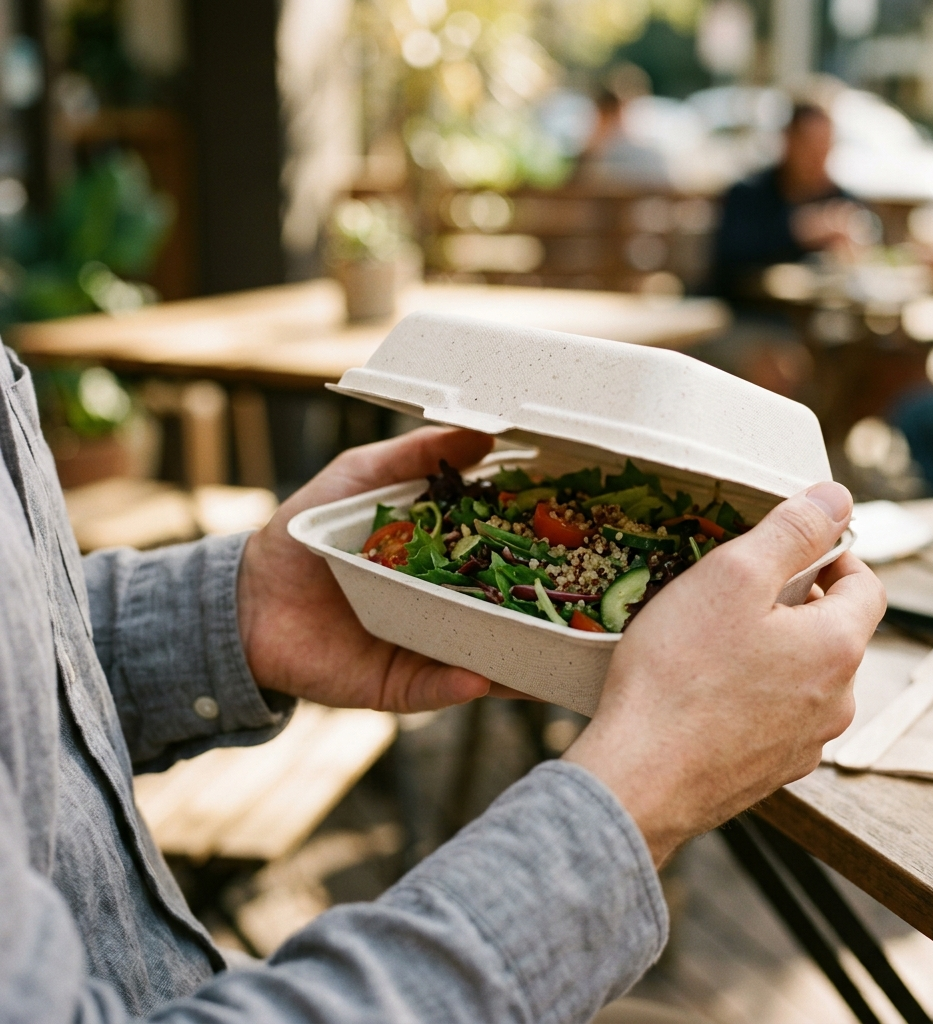
Packaging and Packaging Waste Regulation (PPWR) is the largest action being taken by regulatory governments regarding packaging. This law will require that packaging is not only recyclable, but must also be written to significantly reduce the environmental impact by 2028. In specific industries such as food service and agriculture, compostability may be your only option to remain compliant.
Additionally, there are new reporting requirements imposed on companies around building public trust in the sustainability of their packaging through Corporate Sustainability Reporting Directive (CSRD). Companies must now provide highly detailed metrics surrounding their entire material flow. If your company creates “recyclable” plastics that end up in a landfill due to food contamination, this will create a liability for your company. On the other hand, compostable packaging can be processed in the same location as your organic waste, which will allow you to create a cleaner set of data.
Why “Recyclable” is Failing the Compliance Test?
To comprehend why compostability represents the new benchmark, we must examine how well traditional recycling has worked in practice. In 2022 alone, only 44% of the waste created in the European Union (EU) was recycled; in contrast, the remainder was either burned or placed in landfills.
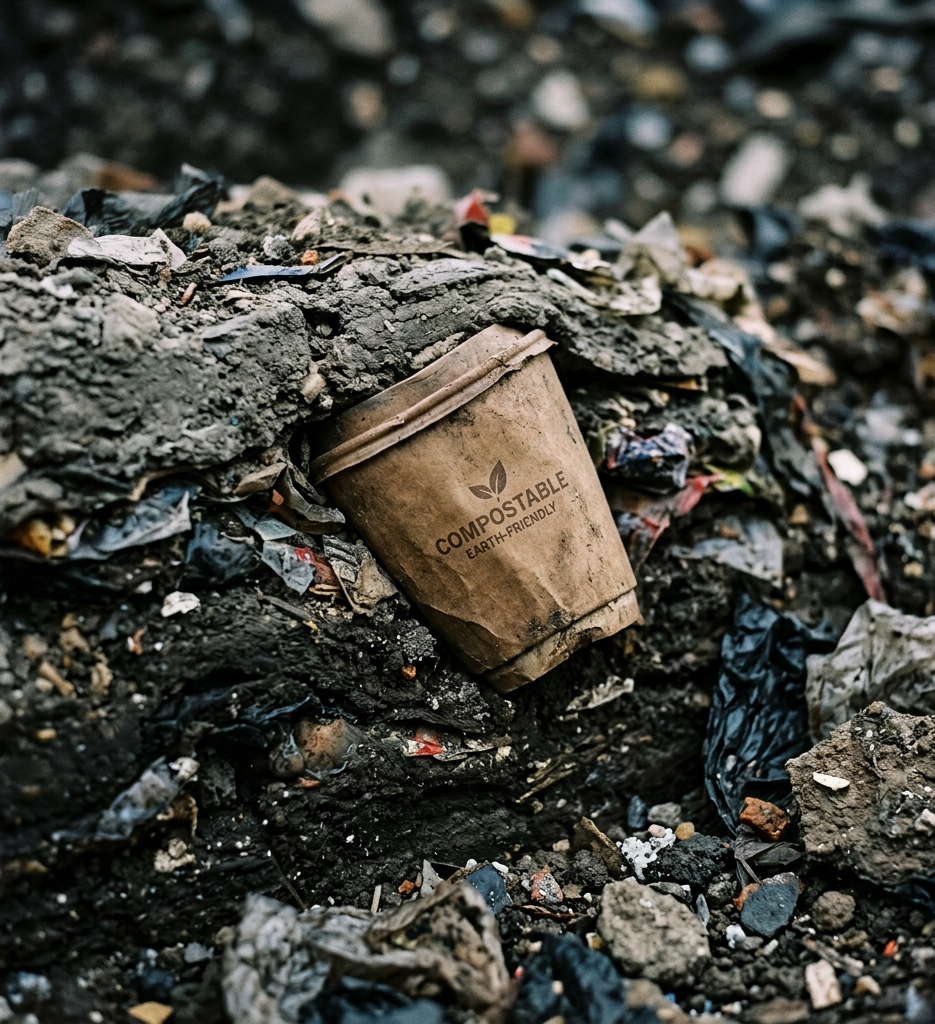
The “Linear Economy” (take-make-dispose) can already be seen as fundamentally flawed due to contamination. The same can be seen in food packaging and textile industries where even the slightest trace of organic material or “forever chemicals” (PFAS) on a batch of plastic renders all the plastic in that batch un-recyclable. Compostability provides an additional solution to this “Closing the Loop” problem since compostable packaging can be treated as a single waste stream together with the compostable contents inside.
The Economic Opportunity: From Net Cost to Net Gain
The UNEP estimates that circular (sustainable) business models will deliver $108.5 billion of net benefit worldwide by the year 2050. By converting to compostable materials, companies can enjoy these benefits by:
Reduced Disposal Costs: With landfill disposal taxes continuing to rise across most OECD countries, diverting waste for disposal at industrial composting facilities substantially reduces “tipping fees” charged by landfill operators.
Avoidance of EPR Penalties: Under new Extended Producer Responsibility (EPR) legislation, all producers are held financially accountable for the disposal of their products at the end of their lives. Composting creates little or no “plastic tax” liability, making using compostable packaging (which eventually decomposes into the soil) far more cost-effective.
Supply Chain Resilience: Many companies have successfully developed supply chain and material sourcing methods to recover nearly 90% of their waste through innovative thinking on how to manage raw material content and waste generation in their manufacturing processes (for example, Sanofi). By aligning their product offerings with bio-based compostable materials, companies will reduce their dependence on highly-volatile petroleum-based virgin plastic supplies.
Implementing the Compostability Standard
When transitioning your workplace from using conventional methods for garbage collection to the use of the composting method, the transition process consists of four principal steps:
The waste audit: Make note of what you are discarding as waste and identify the sources of contamination in your recycled materials. If, for example, the food waste in your organization is contaminating your paper and plastic recycling streams, then food waste is an ideal candidate to convert to a compost replacement.
Material flow mapping: You will follow the inputs to determine whether you are using “multi-material” laminates that cannot be separated; by switching to single-material, certified compostable polymers (like PLA or PHA), you will significantly reduce the number of options available at the end of the life cycle of all material.
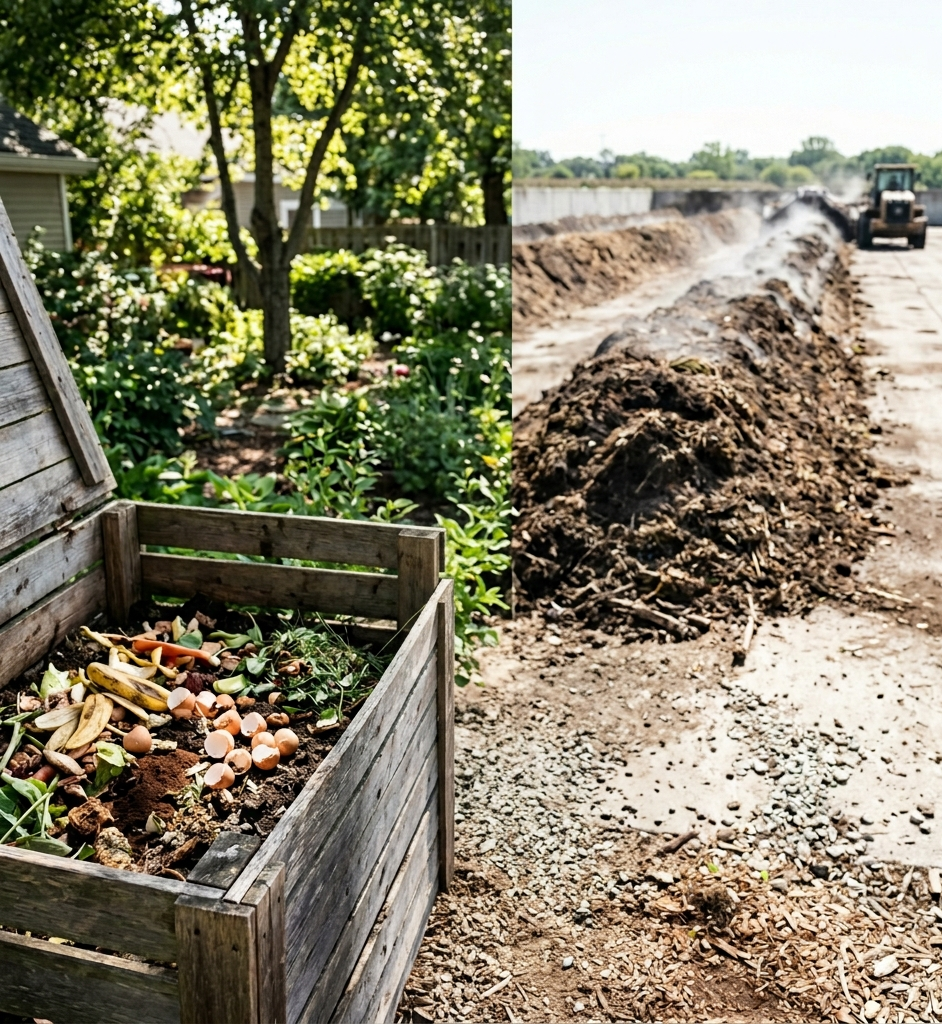
Industrial Symbiosis: Partnering with a value-added processor of organic waste will allow you to use your discarded materials as feedstock to create higher-value fertilizer or biogas through anaerobic digestion.
Smart analytics: You will use Artificial Intelligence to sort through materials to ensure that your compostable materials do not inadvertently contaminate the conventional recycling materials.
The Future of Bio-Innovation
We are now beginning to experience an era called “Urban Mining” and “Bio-conversion”, with new technology using AI to monitor the delivery of products to composting sites (i.e. A compostable fork delivered to a composting facility in New York will actually make it there) via the use of blockchain.
All over the world, regional innovation hubs (i.e. Singapore, London, and Melbourne), are seeing growth in jobs related to the circular economy with an average reported growth of 7.5%. As the workforce shifts from general logistics to specialists in “reverse logistics” who can help to manage the complex, biological loops within these new economic systems.
Conclusion: The Speed of Transformation
It is a must now to change to compostable materials instead of plastic or other materials that cannot be disposed of in the ground. The expected increase in global waste will grow to over 4.5 billion tons if we don’t change, and the government is stepping in to force companies to make these changes.
Being able to have a continuous cycle for your products called closing the loop isn’t only an environmental concern, it can also help improve the competitiveness of your business. Organizations that choose compostable products as a standard for compliance today will find themselves avoiding the big “net” costs associated with the dying linear economy and will be positioning their company to be part of the second wave of circular innovation.
FAQ: Compostability & Circular Compliance
Q: Is “biodegradable” the same as “compostable”?
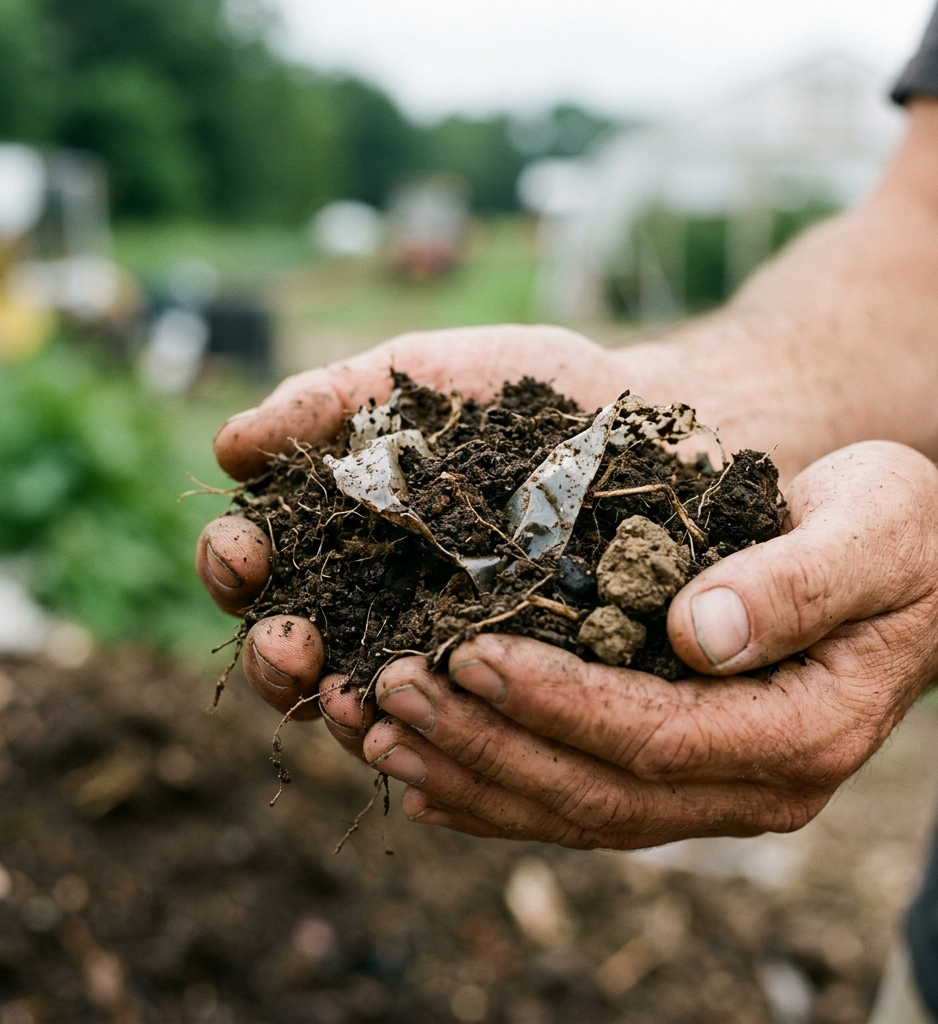
No. All compostable materials are biodegradable; however, not all biodegradable materials are compostable. “Compostable” describes materials that transform into non-toxic soil with a particular timeframe (generally between 90 to 180 days) in a facility that processes compost. “Biodegradable,” on the other hand, is a vague term that does not have a particular timeframe or safety factor.
Q: Why can’t we just stick to mechanical recycling?
Mechanical recycling is great for bottles made of PET plastic or aluminum cans, where recovery is high. But for food packaging, flexible packaging, and agricultural plastics, using a composting option provides a second life for these hard-to-recycle plastics. Mechanical recycling is just not economically practical for these types of materials.
Q: Does compostable packaging cost more than plastic?
The cost of virgin compostable resins may be higher, but if you consider the savings on Extended Producer Responsibility, landfill taxes, and brand loyalty, the overall cost of ownership is actually lower. The overall market is growing at a rate of 7.5%, which means the costs are decreasing significantly.
Q: How do I know if my packaging meets the “Compliance Standard”?
You can look for certifications such as ASTM D6400, which is the US standard, or EN13432, which is the EU standard. These standards ensure that the packaging meets the criteria of degrading in industrial composting environments without leaving behind any micro-plastics or heavy metals, including cadmium, arsenic, etc.
Q: Can small businesses afford this shift?
Absolutely, because small businesses can now leverage the “Product as a Service” business model, where the costs are significantly reduced, and they do not have to worry about the infrastructure costs of implementing this sustainable business model.