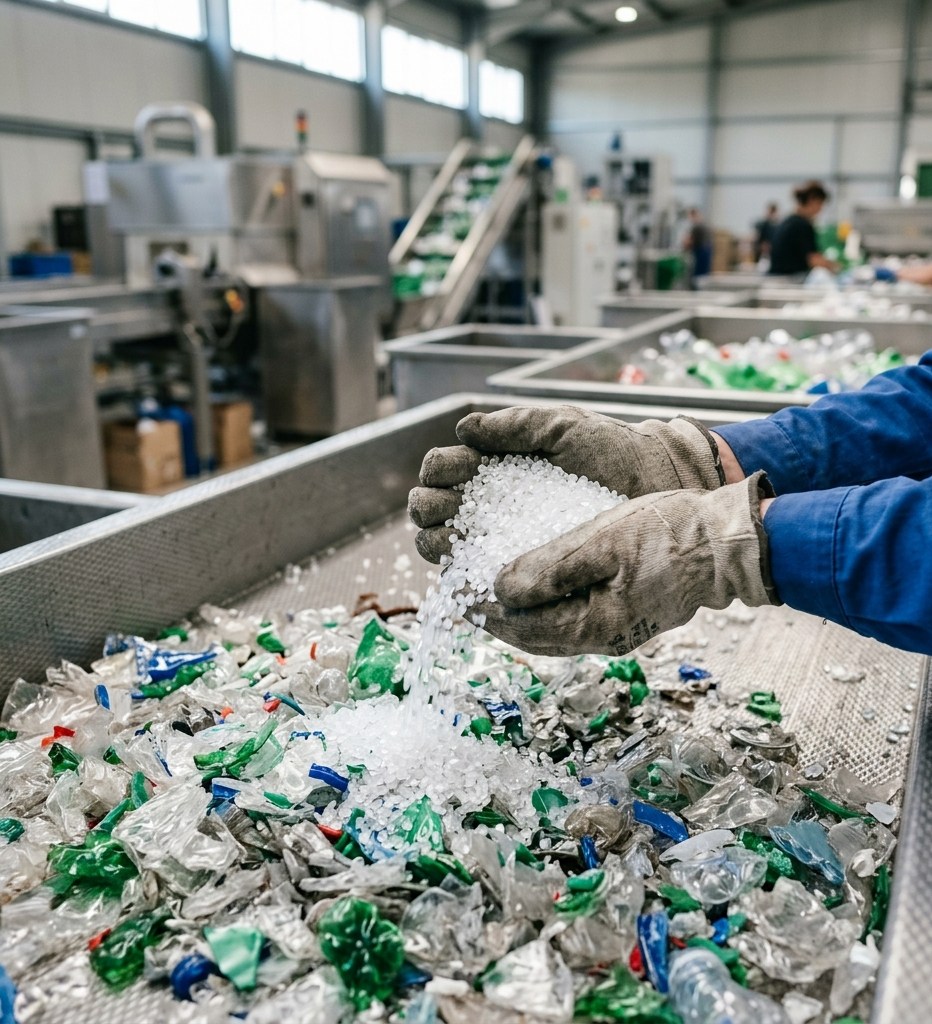
Are you aware of how many tons, or percent of global material, is recycled each year?
You would likely guess no more than 50% and likely no more than 30%. To put this into perspective, according to the UN Environment Programme, 2025’s total generation of municipal solid materials is expected to be 2.1 billion tons; by 2050, that total will exceed 3.8 billion tons.
For example, only 44% of waste generated within the European Union was recycled in 2022, and half of all of those materials were sent to an incineration or landfill.
However, the opportunity is here: circular economy models that ‘close the loop’ by converting waste into a raw material could create an estimated net gain of USD 108.5 billion and reduce current global waste from 4.5 billion tons to less than 2 billion tons.
Are you curious about how your industry can transform and be transformed by this waste-to-resource process? This is the true second wave of the circular economy, and the bottom line is unequivocally positive.
What is Circular Economy? Understanding the Waste-to-Resource Model
A circular economy is a regenerative system that is comprised of continuous loops of production and consumption, which means materials will flow through these loops without the idea of “waste.”
In comparison with a traditional linear economy (i.e. take-make-dispose), a circular economy (or model) will:
- Be designed with a focus on longevity, repair, and recycling
- Use materials at their highest possible value (i.e. close to 100% of their original value)
- Regenerate natural systems via biological cycles
- Create economic value via waste streams
The Current Waste Crisis: Why Closing the Loop Matters
The numbers paint a stark picture:
Statistics on Global Waste:
- The annual collection of municipal waste produced by individuals living within Organisation for Economic Co-operation and Development (OECD) countries is 552 kg (i.e., 55 kg more than in 1990).
- If countries do not adopt circular economy models, the global weight of waste is anticipated to reach 4.5 billion tonnes by 2050, but the full adoption of circular economies will bring global waste down to less than 2 billion tonnes.
- Globally, 22% (i.e., only 22%) of electronic waste produced in 2022 was properly collected and recycled.
- Between 2002 and 2016, clothing usage has decreased by 36% while the total production of clothing has increased, resulting in an acceleration of textile waste.
Environmental Impact: The introduction of waste contaminants into the food supply and water systems creates health risks such as cancer, cognitive impairment, obesity and reproductive impairment due to the introduction of endocrine-disrupting chemicals such as: cadmium, asbestos, and arsenic.
The Economic Benefits of Waste-to-Resource Transformation
Cost Savings from Circular Models
Here’s what businesses are discovering:
The UNEP predicts circular economic models will create USD 108.5 billion of net gains by 2050 from decoupling waste from economic growth through both waste avoidance and full management, versus the USD 270.2 billion of net costs that current trajectories would create.
Several large corporations are pioneering circular practices to minimize waste in their supply chains.
Real Corporate Examples:
- Sanofi achieved 89% reuse, recycling, and recovery of operational waste through circular strategies.
- In collaboration with Schott, a leading pharmaceutical manufacturer used back production processes to move unused glass vials back into the tubing manufacturing process (eliminating waste) while also creating value from these materials.
- Recycled PET contributes 79% less CO2 than virgin PET and provides both cost savings and environmental benefits.
Financial Impact:
- Reduced virgin material costs
- Lower disposal fees
- New revenue streams from recovered materials
- Enhanced brand value and customer loyalty
Key Waste-to-Resource Technologies Driving Circular Economy
- Advanced Recycling & Material Recovery
Mechanical Recycling: Global sorting facilities detected over 6 billion PET bottles in 2024, with recycling facilities successfully recovering billions of plastic bottles annually through improved sorting technology
Smart Waste Analytics:
- AI-powered sorting identifies material types
- Real-time waste composition analysis
- Contamination detection and removal
- Yield optimization algorithms
- Waste-to-Energy Conversion
Technologies transforming waste into power:
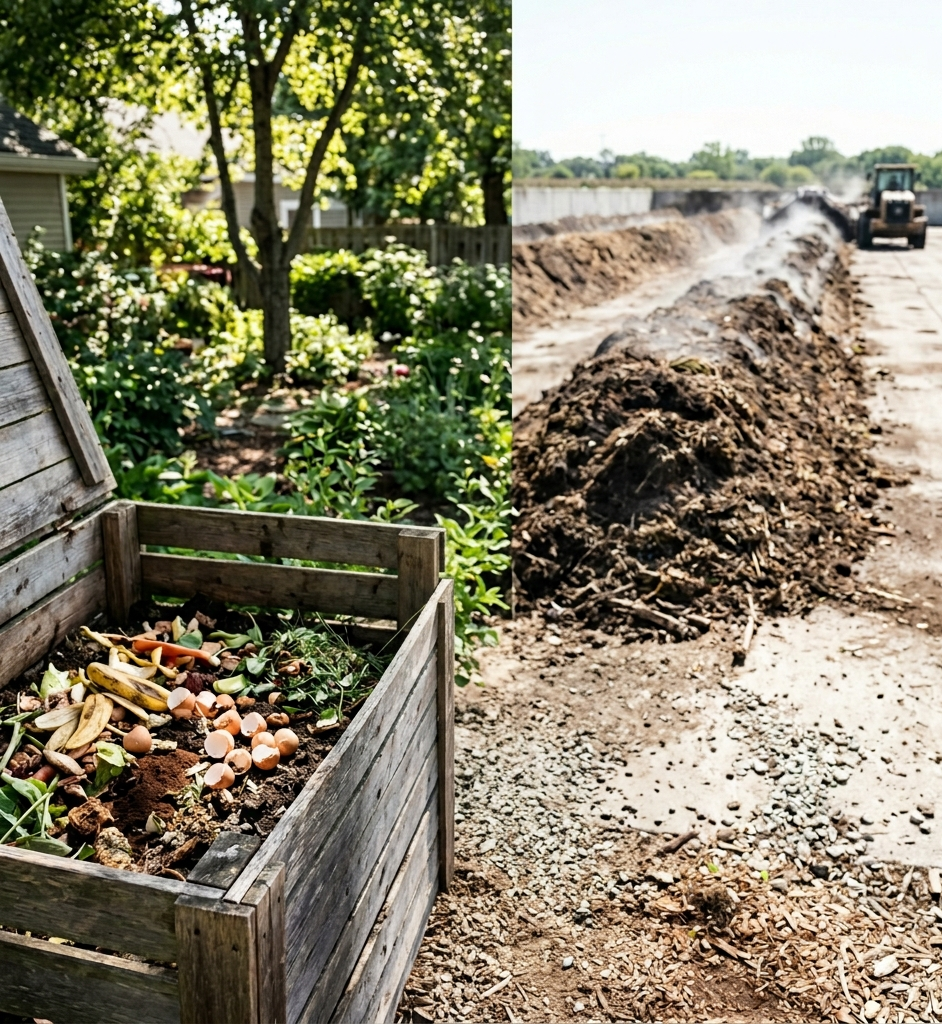
- Anaerobic digestion → biogas production
- Thermal treatment → electricity generation
- Gasification → synthetic fuels
- Pyrolysis → bio-oils and chemicals
- Industrial Symbiosis
Companies exchange waste streams, where one organization’s waste becomes another’s raw material.
Example: French chemical sites assessed solvent waste streams to reduce volumes and virgin solvent consumption through reuse and recycling programs
- Circular Product Design
Design principles eliminating waste:
- Modular components for easy repair
- Single-material construction for recycling
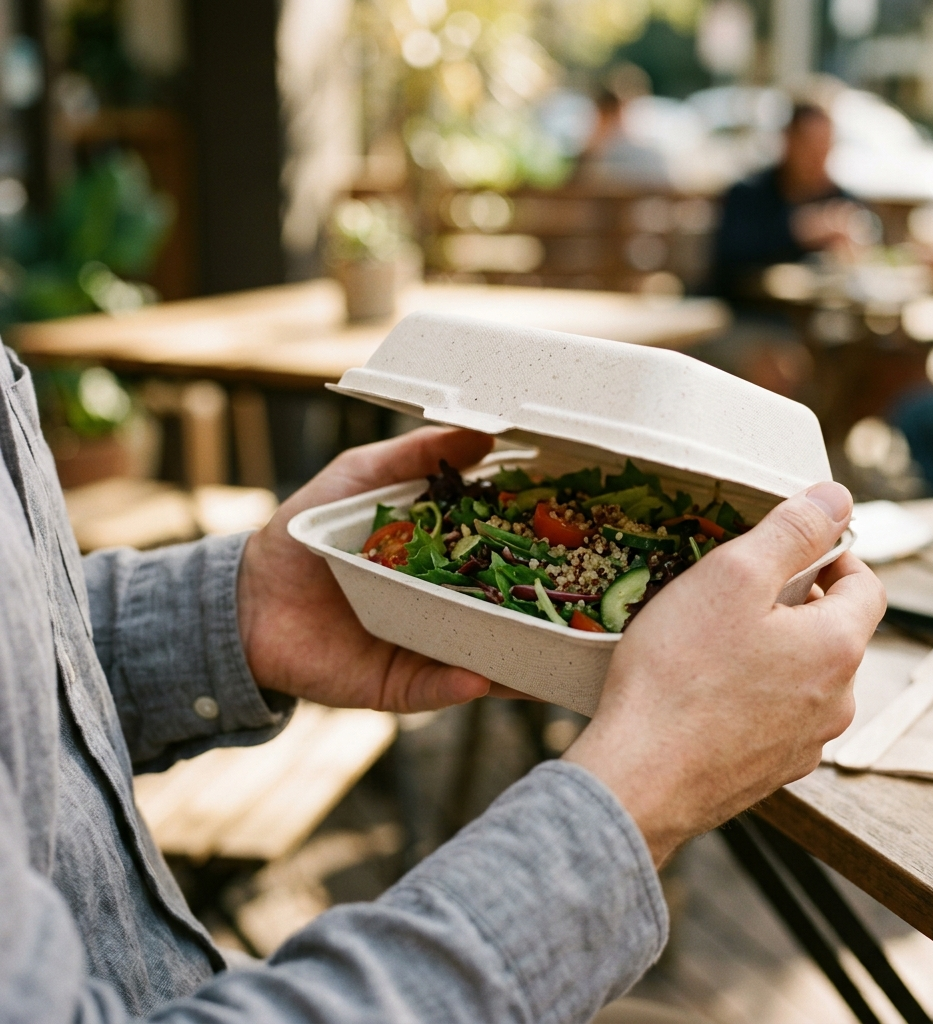
- Biodegradable or compostable materials
- Product-as-a-service models
Circular Economy Success Stories: From Waste to Resource
Case Study 1: Electronics Recovery
The Challenge: While 32 kg/person of electrical and electronic equipment were put on the EU market in 2022, only 11 kg/person of e-waste were collected
The Solution:
- Extended producer responsibility (EPR) programs
- Take-back systems and deposit schemes
- Advanced material separation technologies
- Urban mining of precious metals
Results: Some EU countries achieve 67% to nearly 100% recycling rates for collected e-waste
Case Study 2: Packaging Material Recovery
Performance Data: Analysis of global residue lines showed PET bottles weren’t in the top three un-recycled materials, suggesting billions are successfully recovered annually
Key Insights:
- Glass represented only 1.03% of un-recycled material
- Metal cans showed high recovery rates
- Deposit return schemes drive collection
Case Study 3: Construction Waste Circularity
Opportunities:
- Concrete crushing and aggregate recovery
- Steel and metal reclamation
- Wood waste conversion to bioenergy
- Insulation material recycling
Barriers to Circular Economy Implementation
Challenge 1: Infrastructure Gaps
Low income countries are much less able to collect their trash than high-income countries. High-income countries collect 96% of their waste compared to 39% for low-income countries. Due to this difference there are large gaps in infrastructure between high and low-income countries and they have room to improve upon this difference.
Solutions:
- Invest in collection systems
- Expand sorting facilities
- Upgrade processing technology
- Optimize logistics
Challenge 2: Contamination Issues
Problems:
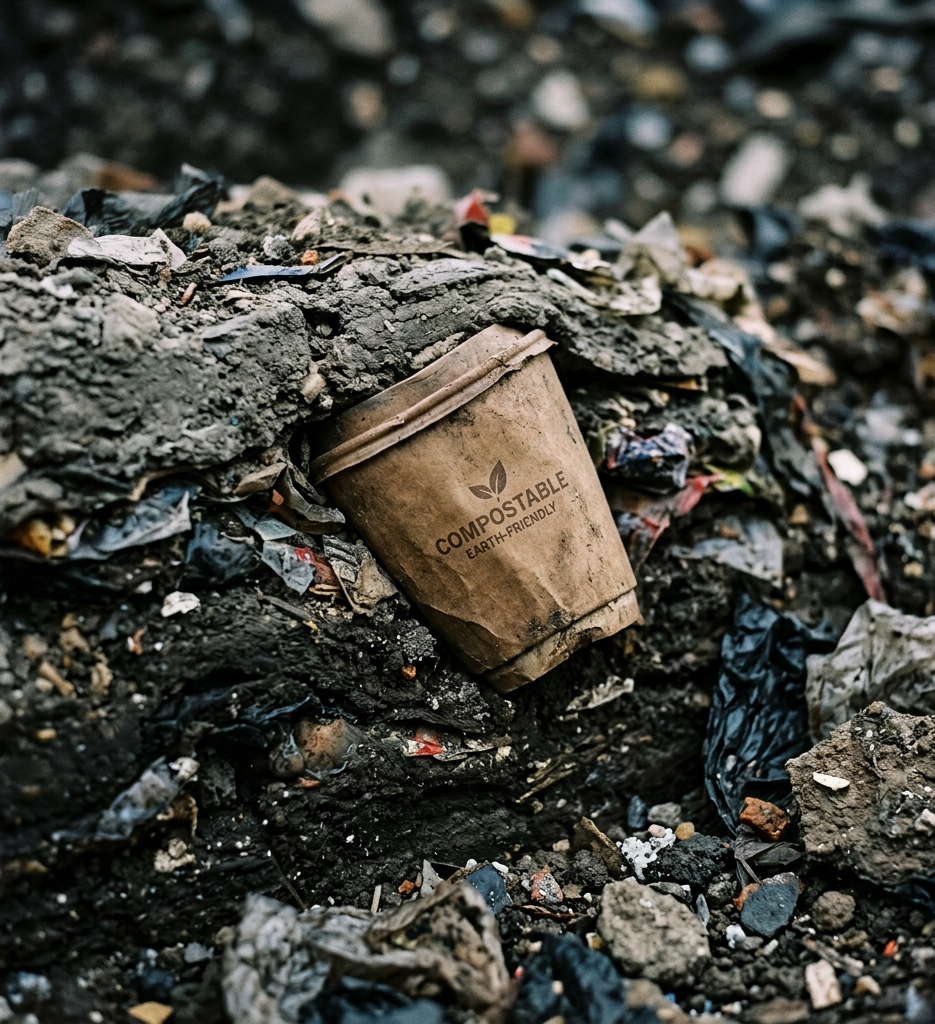
- Recycling value is reduced by mixed materials
- Hazardous materials prevent safe reprocessing of recyclables
- Recycled materials degrade in quality
- Consumers mistake for error in sorting recyclables
Mitigation Strategies:
- Label clearly and educate consumers
- Source separation programs need to be established
- Utilize advanced technology for sorting
- Quality standards must be established for recycled materials
Challenge 3: Economic Viability
Cost Factors:
- Cheaper to use virgin materials compared to recycled
- Expenses for collecting and sorting recyclables
- Processing technology improvements
- Market demand for recycled content is unreliable and expensive
Regulatory Drivers Accelerating Waste-to-Resource Transformation
European Union Leadership
Key Regulations:
Corporate Sustainability Reporting Directive (CSRD): Requires companies to provide information about their circular economy activities.
Packaging and Packaging Waste Regulation (PPWR): Mandates that all packaging be recyclable by 2030.
Circular Economy Action Plan: Establishes objectives to reduce waste and recycle used products.
Critical Raw Materials Act: Provides incentives for increasing the recycling capacity of materials considered critical to Europe’s economy.
Extended Producer Responsibility (EPR)
The European Union established more than 35 legally binding targets for the collection and recycling of materials, with producers being held accountable to ensure that materials at the end of their useful life cycle are managed appropriately.
Worldwide Policy Trends
New Emerging frameworks:
- Plastic Pollution Treaties
- Right To Repair Legislation
- Ecodesign Requirements
- Mandates For Recycled Content
How to Implement Circular Economy Principles in Your Organization?
Step 1: Conduct Waste Audit
Identify and Quantify:
- Material Types & Volumes
- Current Disposal Methods
- Costs of Current Disposal Methods (Disposal by type)
- Potential to Recover Waste
Step 2: Material Flow Mapping
Analyze:
- Input Material and Suppliers
- Manufacturing Process (Product)
- Distribution of Product
- End Of Life Pathway of Product
Step 3: Identify Circular Opportunities
Prioritize Interventions
- Waste Streams with High Volume
- Material Recovery with High Value
- Initiatives to Achieve Results Quickly
- Strategic Partnerships
Step 4: Implementation Plan
Create Road Map
- Short Term (1 Year)
- Medium Term (1 – 3 Years)
- Long Term (3 – 5 Years)
- Allocate Resources and Develop Budgets
Step 5: Measure Progress
Track KPIs
- Material Circularity Rate
- Percentage of Waste Diverted from Landfill
- Percentage Reduction in Virgin Materials Used
- Cost Savings Achieved
- Carbon Emissions Avoided
The Future of Waste-to-Resource Innovation
Emerging Technologies
Breakthrough innovations:
- Chemical Recycling of broken bond molecules
- Using AI to sort and recover products
- Using blockchain technology to track the origin of all products
- Converting waste using Biotech technology to produce chemicals
Market Growth Projections
The circular economy industry will continue to grow by 7.50% in 2024 and employ approximately 2.2 million people worldwide, creating an estimated 125,000 additional jobs.
Regional innovation hubs for the circular economy are located in: (London, New York, Sydney, Melbourne, and Singapore), as well as the USA, UK, Germany, India, and Italy. These regions are responsible for the largest share of circular economy growth.
Business Model Evolution
New approaches:
- Providing product-as-a-service subscriptions from multiple providers over the course of time
- Collaboration between multiple providers using the sharing economy
- Optimizing Reverse Logistics processes to reduce waste and save resources within supply chains
- Working with multiple providers using the circular supply chain
FAQ: Closing the Loop in Circular Economy
Q: What is the difference between recycling and a circular economy?
Answer: Recycling is a part of a circular economy, which includes other strategies as well, such as waste avoidance, reuse, repair, remanufacturing, and regenerative design.
Q: How profitable can the conversion of waste to resources be?
Answer: Circular economy approaches can yield a profit of USD 108.5 billion per annum by 2050, with individual companies saving 15 to 25 percent through a circular economy approach.
Q: What types of materials are easiest to recover and recycle?
Answer: PET bottles, glass, and cans of aluminum have the highest recovery rates in recycling plants worldwide.
Q: How can small businesses implement circular economy?
Answer: Start by conducting a waste audit, reducing packaging, offering take-back programs, working with recyclers, and product-service systems, depending on your small business.
Q: What types of industries stand to gain the most from the circular economy?
Answer: Manufacturing, packaging, electronics, construction, fashion, and food industries stand to gain the most from the circular economy as they use the most materials.
Conclusion: Why Closing the Loop Is Essential for Sustainable Growth
Transitioning from waste management through linear processes to circular resource systems will not only benefit our environment but also provide a huge financial advantage for organizations.
Key Takeaways:
- If the circular economy is implemented successfully, it could decrease the amount of global waste produced from 4.5 billion tons down to less than 2 billion tons by 2050
- The EU’s current recycling rate of 44%. By 2022, these recycling rates need to reach 60% by 2030
- Assessments of the benefits of achieving circularity found that companies realize substantial cost savings while simultaneously creating new revenue-generating opportunities.
- Numerous regulatory requirements compel organizations to convert waste into resources and will require compliance before any possibility of penalties associated with non-compliance will be enforced
- An estimated additional 125,000 new jobs are expected to be created globally through the circular economy in 2024.
The pathway forward is clear.
Organizations need to embrace waste avoidance solutions, invest in recycling infrastructure, create products that are designed for circularity, and collaborate among all members of supplies chains to close material loops.
The real question is not if you will implement circular economy principles; rather, it is how fast you will transform waste streams into increased competitive advantages.