Imagine this,
A nation blessed with an abundance of prime materials is viewed outside its borders as a third world nation by continuously importing what can easily be manufactured locally.
An ever-increasing number of ships carrying biopolymers, the eco-friendly material for sustainable packaging, a solution to the global plastic pollution problem, and the basis for the next wave of green manufacturing arrive at our ports each year. However, we do not simply have small amounts of bioplastics coming into our country. Instead, they represent billions of U.S. dollars silently leaving India.
In 2025, India’s trade imbalance with China is nearly $100 billion. Part of that trade imbalance is due to materials such as PLA and PBAT which are bio-based polymers used in many of India’s industries but for which India is reliant on imported material. This irony is hard to miss.
The raw material is not scarce in India.
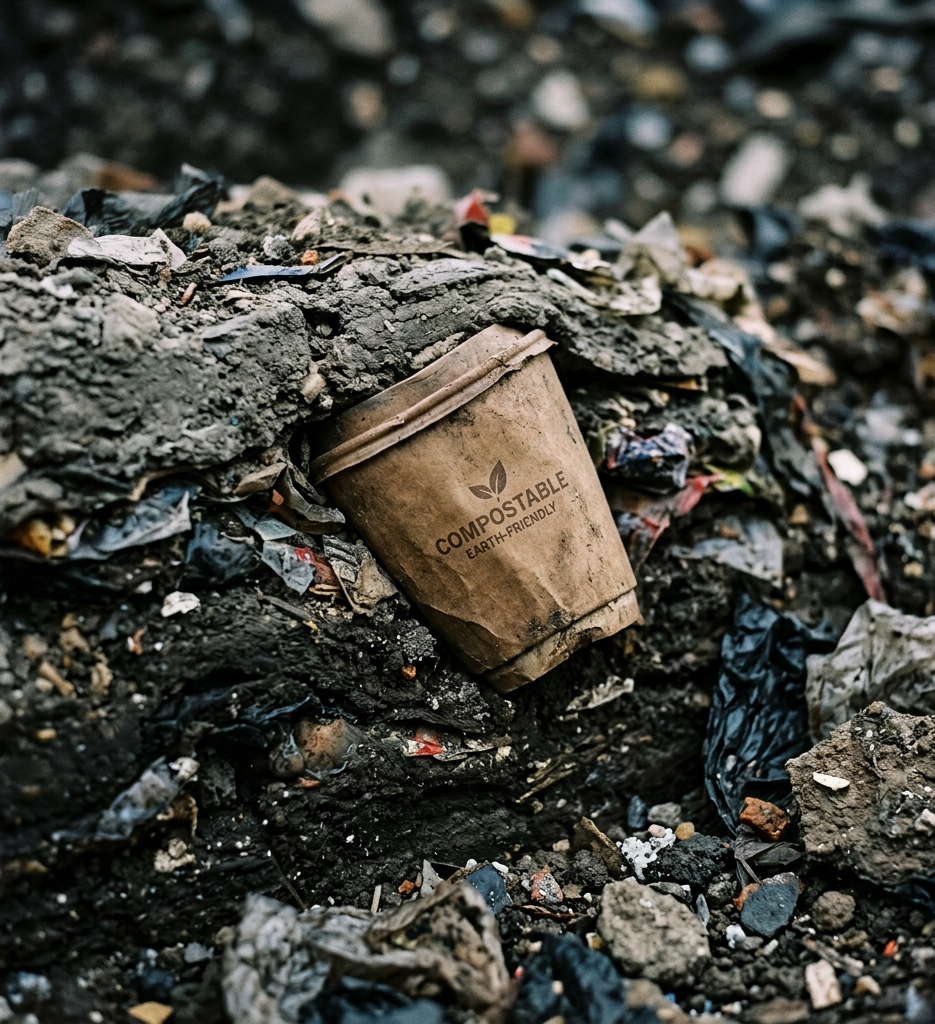
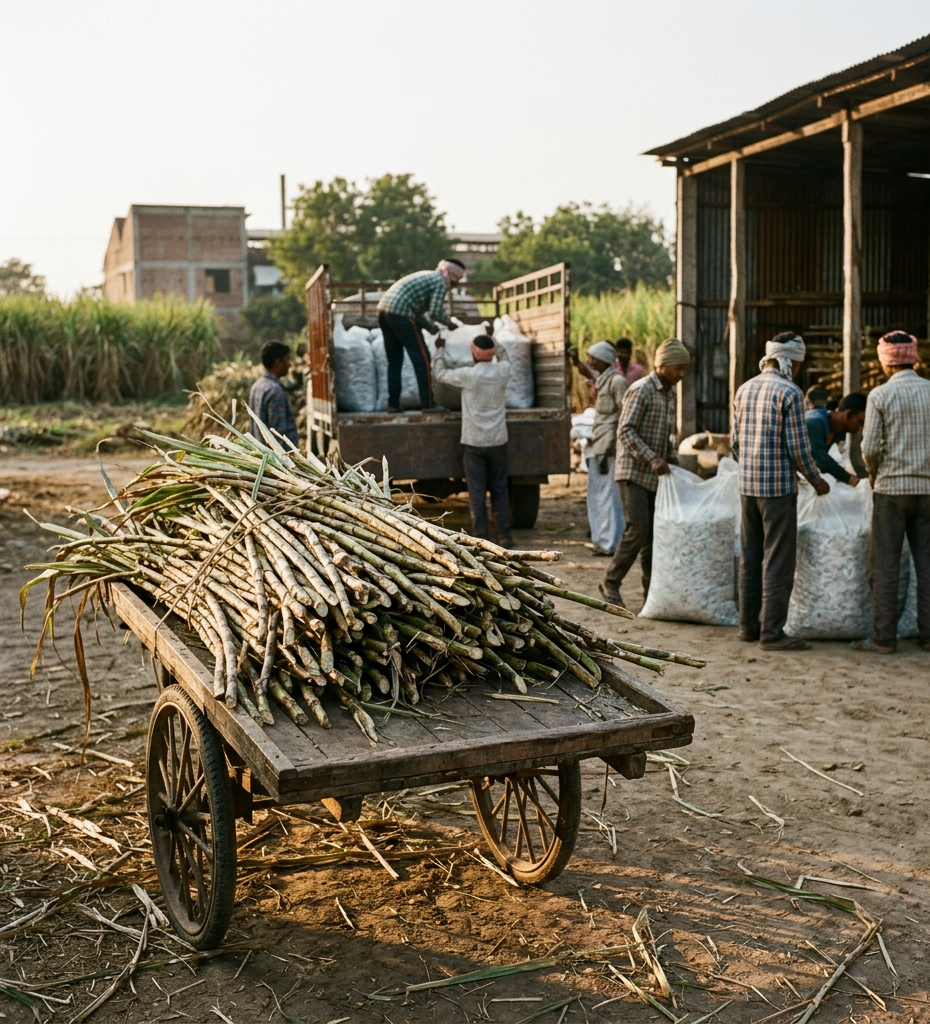
India grows 5.33 million metric tonnes of sugarcane per year as a feedstock for bio-based polymers, while at the same time generating 9.46 million tonnes of plastic waste. All of that plastic waste could serve as a resource for a circular economy and none of it should be going to landfill.
Nevertheless, the industries remain reliant on biopolymer importation, which are not only creating vulnerabilities in the industry supply chain experience but will also decrease total capital flowing into India. However, this reliance on imported biopolymers is not allowing manufacturers to customize locally.
This creates a paradox for Indian biomass producing nations that have the capacity to produced biopolymers but remain dependent on importing them from outside countries.
Take a look at the numbers.
If India creates strong domestic supply chains of bio-based materials, then the imports would reduce; as well as creating high-value new manufacturing opportunities from their agricultural residue and plastic waste, would provide increased resilience in manufacturing, and help to create a perfect circle experience of a true circular economy.
There will be a large opportunity for many new products from domestic agriculture and plastic waste within India.
The Import Dependency Crisis:
The harsh economic reality is that the Indian Sustainable Biopolymer Market is likely to have a milestone total of approximately 450-500 million USD by 2024; however, the domestic production capacity of advanced bioplastic products will continue to fall short of demand forcing significant imports. Data from the Takshashila Institution shows that India only represents 0.46% of the global bioplastics market, while its domestic bioplastics market continues to grow at more than 22% per annum (447 million USD in 2023).
The cost structure has major economic implications. According to analysis published in Polyester Times, the cost of imported bio-resins is two to three times that of traditional fossil-based resins due to the absence of domestic manufacturing of bio-based resins, making it impossible to economically justify the use of bio-resins in mass-marketed products such as packaging and agro-film.
For entrepreneurs and early-stage adopters attempting to scale their businesses, raw material prices erode their margins before they ever sell a product.
The Local Manufacturing Advantage:
Building local supply chains is an incredibly smart business decision for several reasons: India has the resources to be entirely self-sufficient for biopolymers; there will be approximately 5.33 million tons of sugarcane grown in 2024-2025 (IMARC Group) which is more than enough feedstock for producing bio-based polymers, and the Indian Government is supporting the development of these supply chains through tax incentives, government-backed programs for the bio-economy and subsidies to bio-refineries.
The infrastructure necessary for biopolymer manufacturing is being developed quickly. In India, on October 13th, 2024, India’s first demonstration facility for biopolymers was opened in Jejuri, Pune, and it uses locally developed technology to produce PLA. On February 24th, 2025, India opened its first commercial biopolymer production facility in Kumbhi, Uttar Pradesh, with an expected value of ₹2,880 crores. This facility will produce biopolymers from renewable sources, such as tapioca, corn and sugar; it is expected to begin operations in December 2026.
Additionally, research conducted by Manufacturing Today India regarding modular continuous manufacturing has indicated that India can strengthen its domestic economy and assume a leadership position in helping to combat the global plastic waste problem through locally produced biopolymers in the manufacturing sector, as well as in R&D and support industries, thereby improving the ability of India to establish resilient supply chains whilst increasing the level of investment in green technologies.
Why Local Supply Chains Win?
As reported by Entrepreneur India, establishing domestic production capabilities reduces the cost of importing products (material), leads to stronger supply chains, and allows for the development of a self-sustaining manufacturing sector, while providing additional export opportunities for different regions of the world that are in need of biodegradable packaging. Studies indicate that bio-based polymers produce fewer carbon emissions than standard plastics through the use of circular economy principles, which also contribute to better waste disposal solutions for urban and rural communities.
The BioE3 Policy, which was approved in August 2024, focuses on creating a biomanufacturing industry that will provide employment opportunities, a strong economy, and an environmentally clean industry through biotechnological innovations. In addition, the National Bioplastics Policy provides for capital subsidies up to 50% on qualified investments made by businesses within five years of the date of the investment, while providing for a 7% interest rate subsidy on those same investments for seven years as described by GreenWorks Bio.
Economically speaking, it’s not easy to argue with this kind of logic. India spends 2 to 3 times more on bio polymers in the form of import bills, contributing to a growing trade deficit that’s already touching $100 billion.
But India has the raw material to spin another kind of tale. 5.33 million tonnes of sugarcane feedstock, along with investments worth nearly ₹2,880 crores, waiting to be harnessed to power India’s bio-materials sector.